

Bristle Density Comparisons: How It Affects Lather Thickness
Bristle Density Comparisons: How It Affects Lather Thickness
For wet shaving enthusiasts, a rich, thick lather is more than a luxury—it’s the foundation of a smooth, comfortable shave. While factors like shaving cream consistency and brush材质 (bristle material) play roles, one often overlooked variable stands out: bristle density. Defined as the number of bristles packed into a brush head (typically measured by fill volume or bristles per square centimeter), bristle density directly shapes how a brush interacts with water, air, and shaving cream, ultimately determining lather thickness, texture, and longevity. Let’s break down how different density levels impact lather performance.
What Is Bristle Density?
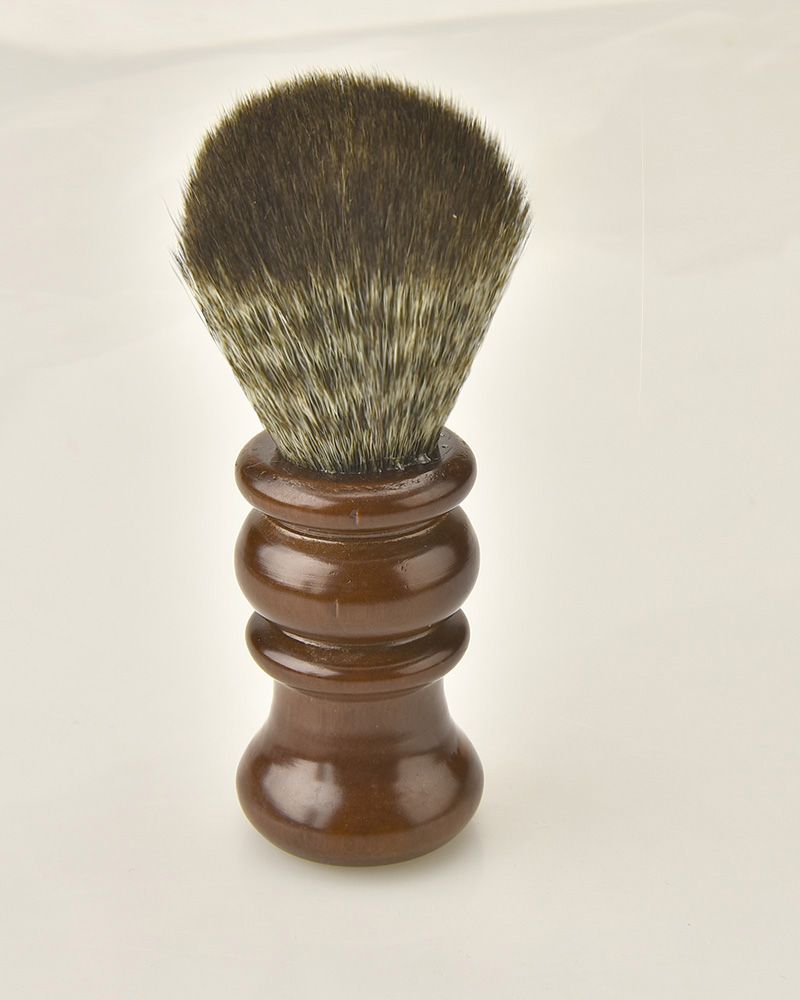
Bristle density refers to how tightly bristles are packed within the brush’s ferrule (the metal or plastic base holding the bristles). It’s not just about “more bristles = better”—balance is key. Low density brushes have fewer, more loosely packed bristles; high density brushes cram more bristles into the same space, creating a denser, firmer head. Medium density falls in between, striking a middle ground in flexibility and structure.
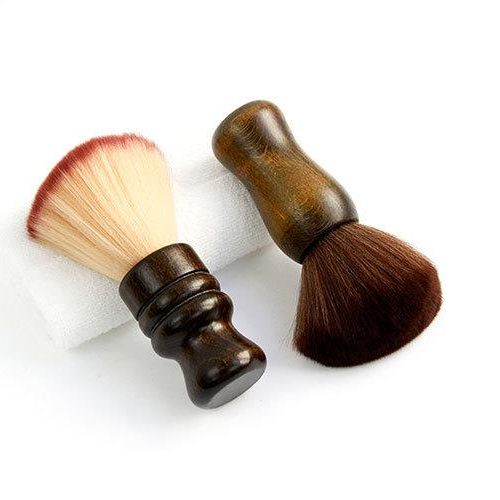
Low Density: Softness Over Substance
Low density brushes (often with<50% fill volume) prioritize flexibility. With wider gaps between bristles, they’re gentle on the skin, making them popular for sensitive users. However, their sparse packing limits their ability to trap air and retain moisture—two critical elements for thick lather. When lathering, low density brushes tend to produce thinner, airier foam that dissipates quickly. They work best with runny, water-based shaving gels, as thicker creams may not lather sufficiently without the bristle support to whip in air.
Medium Density: The Everyday Workhorse
Medium density brushes (50-70% fill volume) are the industry standard for a reason: they balance softness and structure. With moderate bristle packing, they effectively blend air, water, and cream. The gaps between bristles are small enough to trap air bubbles (essential for lather volume) but large enough to allow the brush to “work” the cream into a consistent texture. This results in lather that’s thick enough to cushion the blade but not so dense it clogs the razor. Medium density brushes adapt well to most shaving products—from thick creams to lightweight foams—and suit average skin types, offering a reliable, no-fuss experience.
High Density: Power for Thick, Long-Lasting Lather
High density brushes (>70% fill volume) are engineered for maximum lather density. With tightly packed bristles, they act like tiny whisks, aggressively incorporating air and moisture into the shaving cream. The dense bristle matrix creates intense friction, breaking down cream into finer bubbles and locking them in. The result? Lather that’s visibly thicker (often 2-3x the volume of low density lathers), with a creamy, meringue-like texture that adheres to the skin longer. High density brushes excel with rich,浓稠 (thick) shaving creams, as their structure can fully emulsify heavy formulas. However, they’re firmer to the touch—great for users who prefer a “luxurious, indulgent” feel but potentially harsh for sensitive skin.
The Science Behind the Lather
Why does density matter so much? Lather thickness depends on two factors: bubble count and bubble stability. High density brushes generate more bubbles because their tight bristle packing increases the surface area for cream-water-air interaction. Additionally, the close proximity of bristles prevents large bubbles from forming (which burst easily), instead producing smaller, more uniform bubbles that hold shape longer. Low density brushes, by contrast, create larger bubbles that rise and pop quickly, leading to thinner, less stable lather.
Choosing the Right Density for You
- Sensitive skin: Opt for medium or low density to reduce irritation from firm bristle contact.
- Thick shaving creams/gels: High density brushes will fully lather these products, unlocking their moisturizing benefits.
- Lightweight foams: Medium density works best—high density may overwork the foam, making it too dense.
- Lather longevity: High density is ideal if you take your time shaving; low density lather fades faster.
Conclusion
Bristle density isn’t just a technical spec—it’s the secret to tailoring your shave. Whether you crave cloud-like softness or a thick, protective barrier, understanding how density shapes lather thickness helps you choose a brush that elevates your routine. At [Your Brand], we engineer our bristle densities to balance performance and comfort, ensuring every shave feels like a ritual, not a chore.


