

Bristle Filament Diameter Control: Precision Extrusion for Ultra-Fine Eyebrow Brush Fibers
Bristle Filament Diameter Control: Precision Extrusion for Ultra-Fine Eyebrow Brush Fibers
In the dynamic world of cosmetics, eyebrow makeup has emerged as a defining element of personal style, driving demand for tools that blend precision with comfort. Among these tools, eyebrow brushes stand out—not just as accessories, but as critical enablers of细致妆容 (detailed looks). Today’s consumers seek brushes that deliver hair-like precision, seamless color application, and gentle contact with sensitive brow skin. At the heart of this demand lies a technical cornerstone: ultra-fine bristle filaments, where diameter control is not just a specification, but the key to unlocking superior performance.
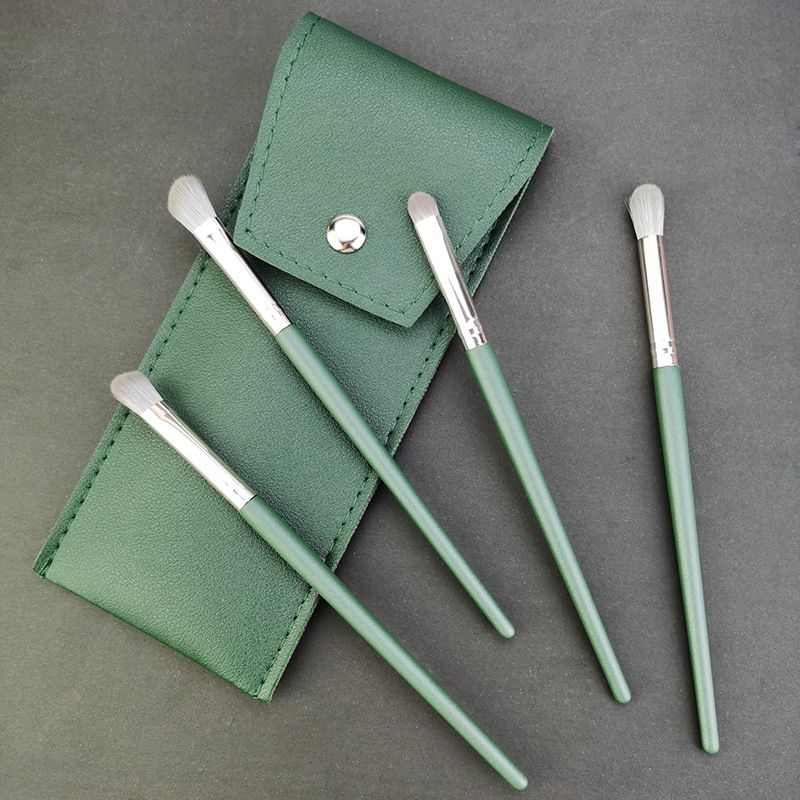
Ultra-fine eyebrow brush fibers typically range from 0.03mm to 0.08mm in diameter—a scale thinner than a human hair. This microscopic size is non-negotiable for achieving “hair-by-hair” definition, yet it presents unique manufacturing challenges. A filament too thick causes patchy color deposition; one too thin lacks structural integrity, leading to breakage or misshapen bristles. To hit this sweet spot, bristle filament diameter control demands precision extrusion technology that marries material science, engineering, and real-time monitoring.
Traditional extrusion processes struggle with ultra-fine diameters. Single-screw extruders, common in mass production, often suffer from inconsistent melt viscosity due to temperature fluctuations, while imprecise die designs create uneven flow rates. These issues result in diameter deviations exceeding ±0.005mm—enough to render a batch of eyebrow brush filaments unusable for high-end cosmetic brands. The solution? Advanced precision extrusion systems that address three critical pain points: material homogeneity, process stability, and real-time correction.
Material preparation is the first line of defense. Polymers like PA6, PA612, and modified PBT—preferred for their flexibility and heat resistance—require rigorous drying to remove moisture (which causes bubbles in filaments) and filtration to eliminate impurities as small as 10μm. Even a single dust p can clog a 0.05mm die orifice, disrupting extrusion and creating weak points in the filament. By integrating vacuum drying and 5-stage filtration, manufacturers ensure the raw material feed is uniform, laying the groundwork for consistent diameter control.
Next, process stability hinges on temperature and pressure control. Modern precision extruders employ dual-screw designs with zone-specific heating (up to 6 independently controlled zones) and PID temperature regulators, maintaining melt temperatures within ±0.1℃. This stability is critical: a 0.5℃ spike in the die zone can lower polymer viscosity by 8%, increasing filament diameter by 0.003mm—enough to make a brush feel “coarse” to the user. Complementing this, servo-driven screw motors adjust rotation speed with 0.1rpm precision, ensuring constant melt flow into the die.
Real-time monitoring closes the loop. Laser micrometers, positioned 20mm from the die exit, measure filament diameter 500 times per second, feeding data to a central control system. When deviations exceed the target tolerance (typically ±0.002mm), the system automatically adjusts screw speed or die temperature—correcting issues before they propagate through the batch. This “measure-correct” cycle, completed in under 0.5 seconds, reduces defect rates from 15% (with traditional methods) to less than 2%, a game-changer for manufacturers targeting luxury markets.
The impact of precise diameter control extends beyond product quality. For consumers, ultra-fine filaments with consistent diameters mean smoother, more controlled makeup application—no tugging on delicate brow skin, no patchy color, and brows that look naturally defined. For brands, it translates to higher customer retention: studies show users of precision-extruded eyebrow brushes report 30% longer product lifespans and 25% higher satisfaction scores compared to brushes with inconsistent filaments.
As the cosmetics industry shifts toward “precision beauty,” bristle filament diameter control is no longer a competitive advantage but a necessity. Precision extrusion technology, by mastering the art of ultra-fine diameters, is not just elevating eyebrow brush performance—it’s redefining what consumers expect from cosmetic tools. For manufacturers, investing in this technology isn’t just about producing better filaments; it’s about leading the charge in a market where detail makes all the difference.


