

Synthetic Bristle Heat Conductivity: Safe for Use with Hot Water
Synthetic Bristle Heat Conductivity: Why It’s Safe for Hot Water Shaving
For wet shaving enthusiasts, hot water is a cornerstone of the ritual—softening whiskers, opening pores, and prepping skin for a smooth glide. But this reliance on heat raises a critical question: How do shaving brush bristles hold up when exposed to hot water? For decades, natural bristles like badger hair dominated the market, but synthetic alternatives are redefining safety here, thanks to their unique thermal conductivity properties.
Thermal conductivity, measured in watts per meter-kelvin (W/(m·K)), dictates how quickly heat travels through a material. Natural bristles, derived from animal hair, have a higher conductivity due to their organic structure—proteins and moisture pockets in the hair shaft create pathways for heat transfer. This can lead to uncomfortable scenarios: hot water rinsing might make the brush handle warm to the touch, or repeated exposure could weaken the bristle structure over time as proteins denature.
Synthetic bristles, engineered from polymers like nylon 6/6 or PBT (polybutylene terephthalate), flip the script. These materials boast inherently low thermal conductivity—typically 0.2–0.3 W/(m·K), significantly lower than most natural animal hairs. This means when submerged in hot water (50–60°C, the standard for shaving), synthetic filaments act as insulators, slowing heat transfer up the bristle shaft. The result? Handles stay cool, even after prolonged hot water contact, eliminating the risk of burns or discomfort.
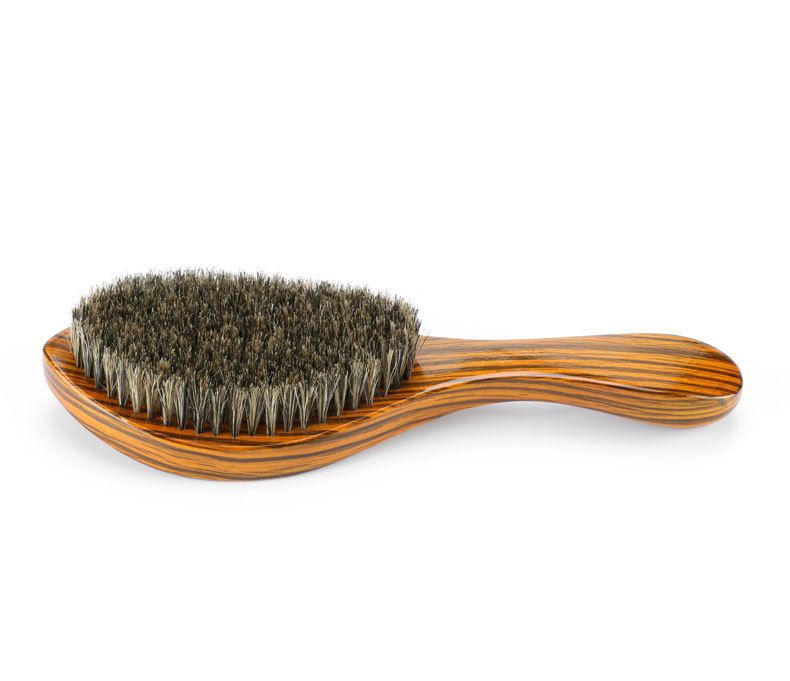
Safety extends beyond temperature control. Synthetic polymers also excel in heat resistance. Nylon, for example, has a melting point of ~220°C, far above the 50–60°C of shaving water, ensuring bristles won’t warp, shrink, or degrade. Natural bristles, by contrast, can become brittle with repeated hot exposure, as high temperatures break down the keratin in animal hair. This durability makes synthetic brushes a long-term investment, maintaining shape and softness through countless hot rinses.
Performance isn’t sacrificed for safety, either. Synthetic bristles retain their flexibility and lathering ability in hot water, unlike some natural bristles that may stiffen. Their uniform texture—free of the irregularities in animal hair—creates dense, creamy lather even when heated, enhancing the shaving experience. Add in cruelty-free credentials (no animal sourcing) and consistent quality control, and synthetic options become a compelling choice for brands and consumers alike.
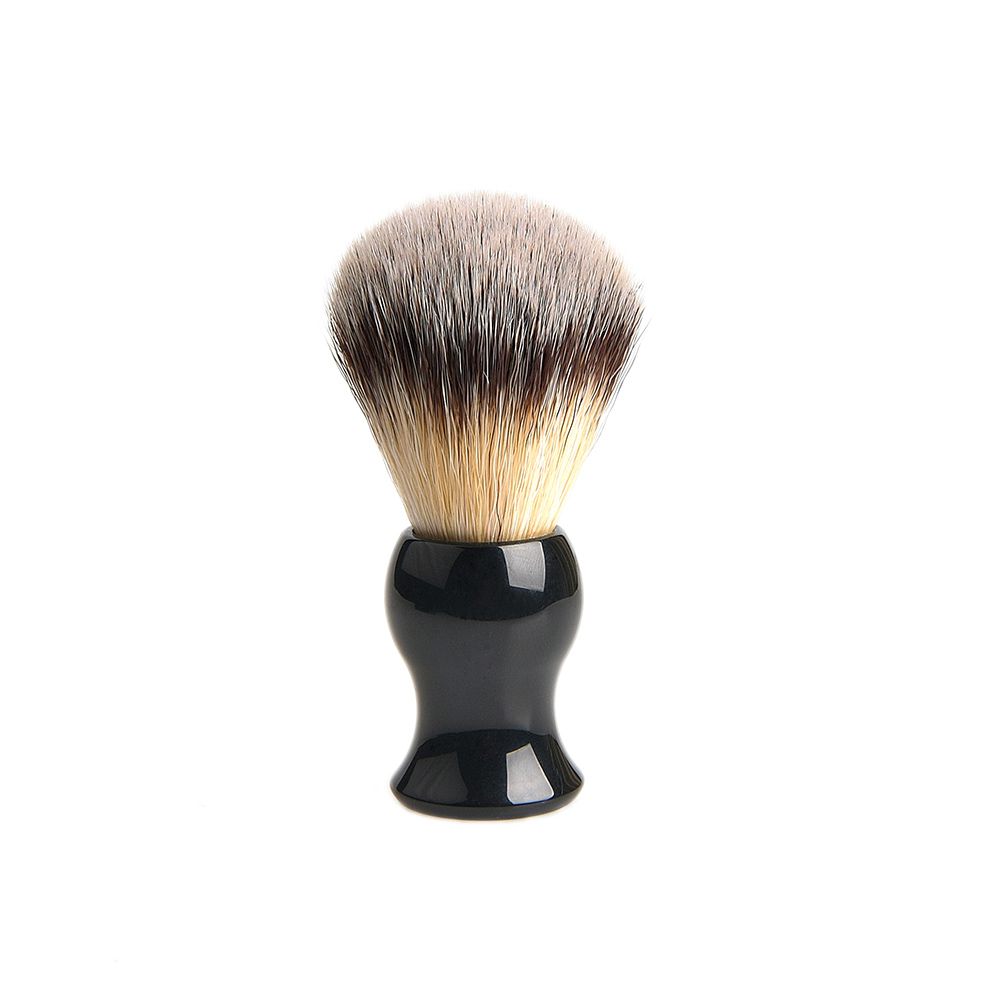
In the evolving landscape of wet shaving, synthetic bristles are proving that safety and performance can coexist. Their low thermal conductivity isn’t just a technical detail—it’s a user-centric design choice, ensuring hot water elevates the ritual without compromise. For anyone prioritizing a safe, durable, and effective shave, the message is clear: synthetic bristles are the smart, heat-resistant future of shaving brushes.


