

Canada’s Beauty Market Report: Antibacterial Bristle Brushes Become Must-Have Post-Pandemic
Canada’s Beauty Market Report: Antibacterial Bristle Brushes Become Must-Have Post-Pandemic
The Canadian beauty market has emerged from the pandemic with a notable shift in consumer priorities, and one product category is leading this transformation: antibacterial bristle brushes. As the industry rebounds—projected to grow at a 7.2% compound annual growth rate (CAGR) from 2023 to 2027, according to industry analysts—hygiene has overtaken traditional luxury as a key driver of purchasing decisions, making antibacterial bristles a non-negotiable feature for both brands and consumers.
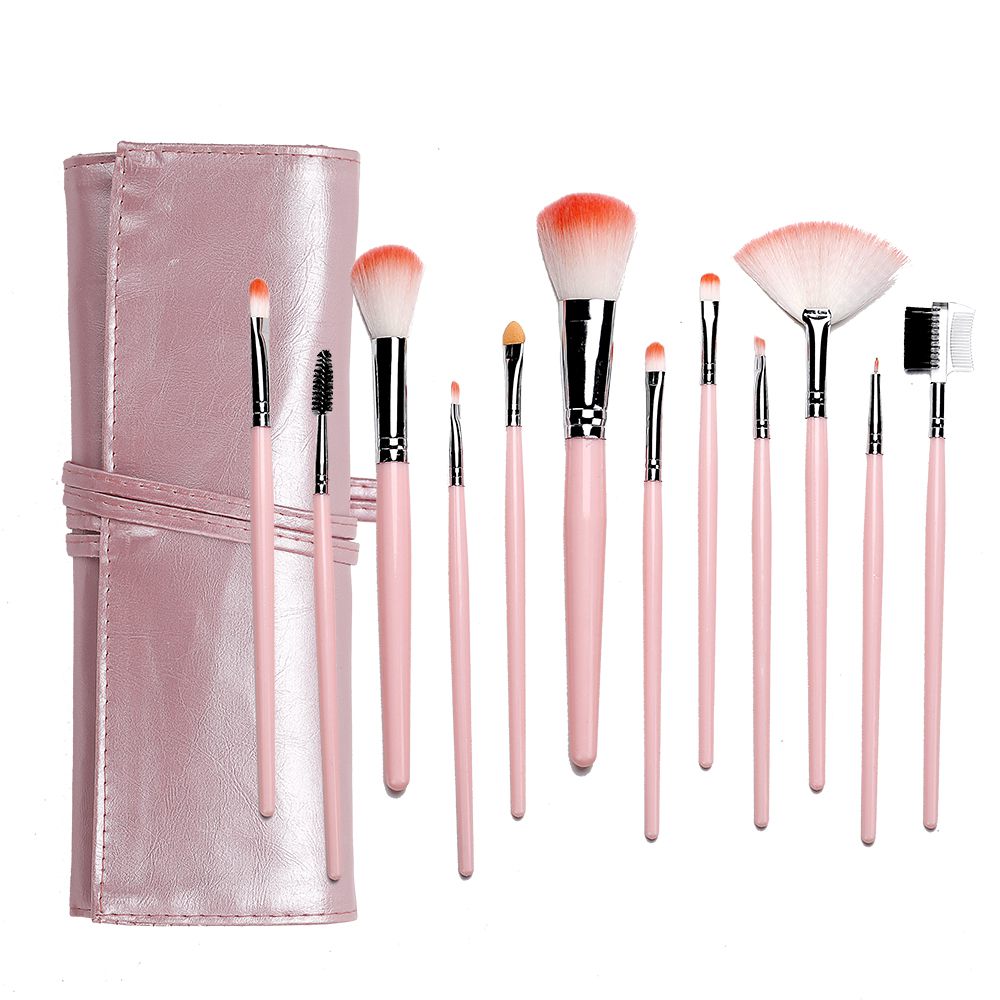
Pre-pandemic, Canadian beauty shoppers often prioritized brush softness, aesthetic design, or brand prestige. Today, 83% of consumers now list “hygiene features” as a top consideration when buying makeup tools, per a 2024 Consumer Insights Report by Beauty Canada. This shift stems from heightened awareness of microbial risks: studies show conventional makeup brushes can harbor up to 10 million bacteria per square inch after just two weeks of use, contributing to acne, dermatitis, and other skin irritations. For post-pandemic consumers, “clean beauty” now extends beyond product formulas to the tools that apply them.
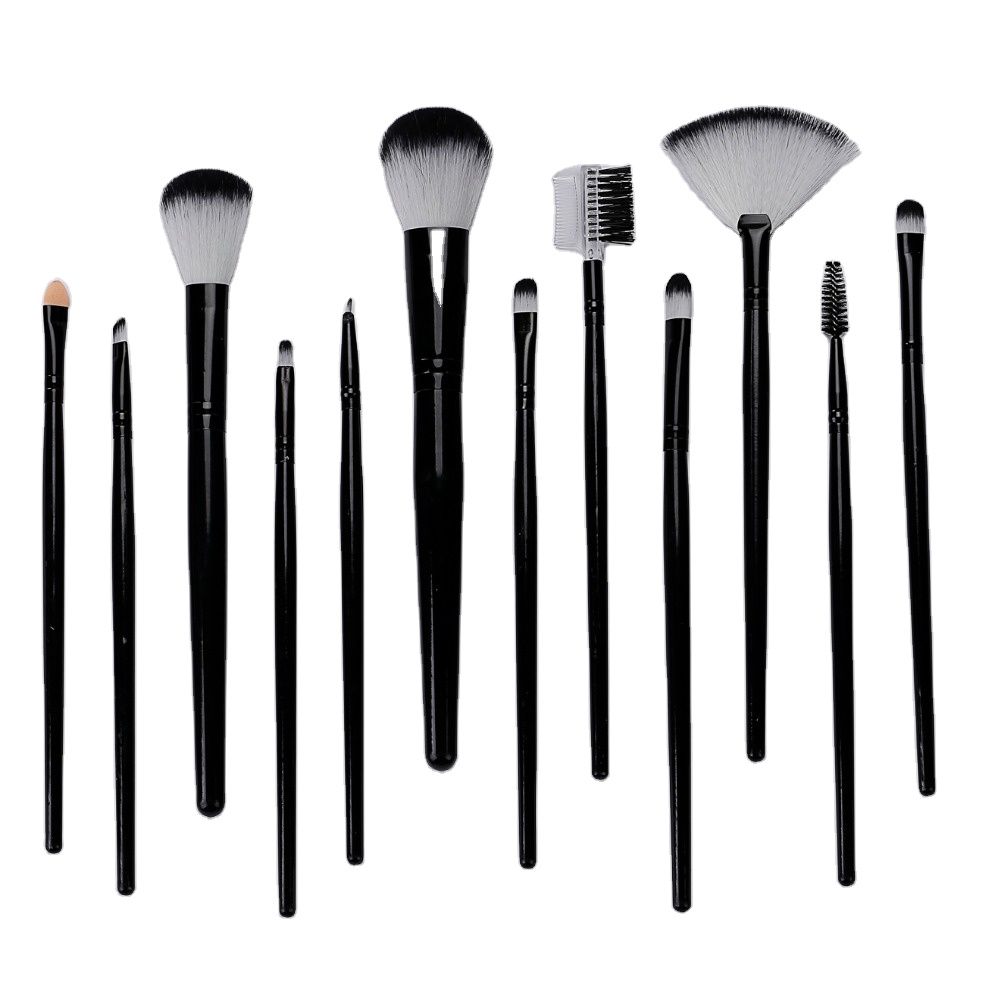
Industry regulations and retail demands are further fueling this trend. In 2023, Health Canada updated its Cosmetics Regulations to include stricter guidelines on microbial limits for beauty tools, while major retailers like Sephora Canada and Shoppers Drug Mart have begun requiring suppliers to provide third-party antibacterial efficacy certifications. “Three years ago, antibacterial brushes were a niche offering; now, they’re a baseline requirement to stock on our shelves,” notes a senior buyer at Sephora Canada.
Technologically, the rise of antibacterial bristles is rooted in innovative materials. Silver-ion technology remains the gold standard, with ions embedded in brush fibers to inhibit 99.9% of bacteria growth (per ASTM E2149 testing). Manufacturers are also exploring sustainable alternatives, such as bamboo-derived bristles treated with natural antibacterial agents like tea tree oil, catering to Canada’s eco-conscious consumer base—62% of whom prefer “green beauty tools,” according to a 2024 survey by EcoBeauty Canada.
Market data reflects this demand surge. The antibacterial makeup brush segment in Canada grew 12.5% year-over-year in 2023, outpacing the broader makeup tools category (6.8% growth). Younger demographics lead the charge: Gen Z and millennial consumers, who make up 65% of the Canadian beauty market, are 3x more likely to pay a premium (15-20% higher) for antibacterial features, reports NielsenIQ.
Looking ahead, antibacterial bristles are poised to become a standard, not a selling point. Industry experts predict that by 2026, over 70% of makeup brushes sold in Canada will include built-in antibacterial properties. Brands are also integrating smart features, such as UV-C cleaning cases paired with antibacterial bristles, to meet evolving consumer expectations for “complete hygiene systems.”
In a market where health and safety now reign supreme, antibacterial bristle brushes are no longer an afterthought—they’re the new essential. For manufacturers and retailers alike, adapting to this shift isn’t just a trend; it’s a strategic imperative to capture Canada’s post-pandemic beauty boom.


