

Synthetic Bristle Colorfastness: Testing for Fading During Washing
Synthetic Bristle Colorfastness: Testing for Fading During Washing
In the competitive landscape of shaving brush manufacturing, synthetic bristles have emerged as a preferred choice for their durability, consistency, and cruelty-free appeal. Yet, one critical quality parameter often determines a product’s longevity and consumer satisfaction: colorfastness. Specifically, how well these bristles retain their color during repeated washing—a common scenario in daily use. This explores the importance of testing synthetic bristle colorfastness, the factors driving fading, standardized testing methods, and why rigorous evaluation matters for both manufacturers and end-users.
Why Colorfastness Matters
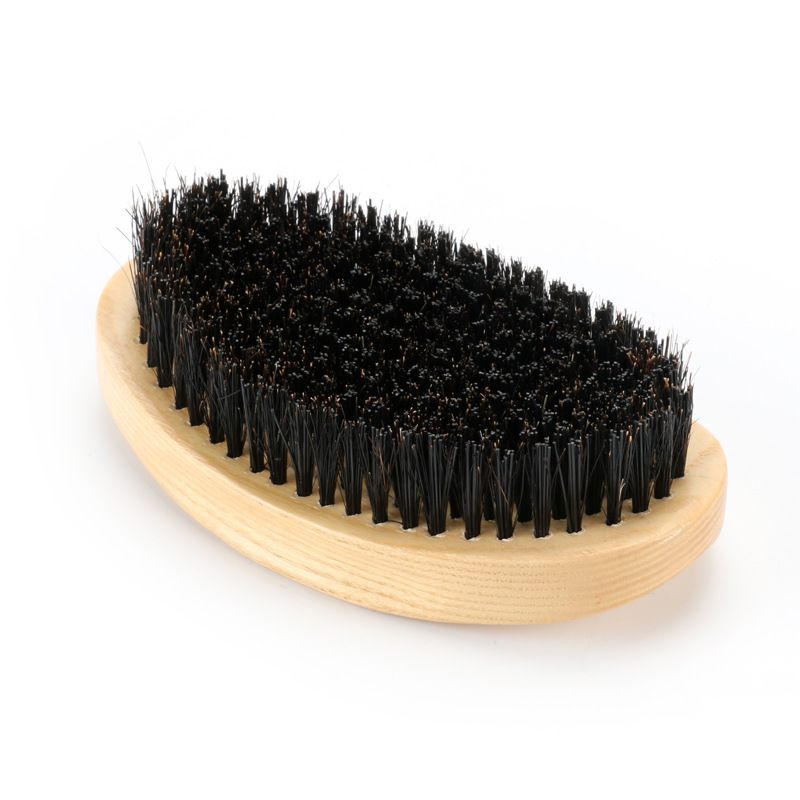
For consumers, a shaving brush is both a functional tool and a bathroom accessory. Faded bristles not only diminish aesthetic appeal but may also raise concerns about dye transfer to skin, towels, or sink surfaces. For manufacturers, poor colorfastness translates to higher return rates, negative reviews, and eroded brand credibility. Unlike natural hair, synthetic fibers (e.g., nylon, PBT, polyester) rely on chemical dyes that bond with polymer structures; weak bonding leads to leaching, especially under the mechanical stress and chemical exposure of washing.
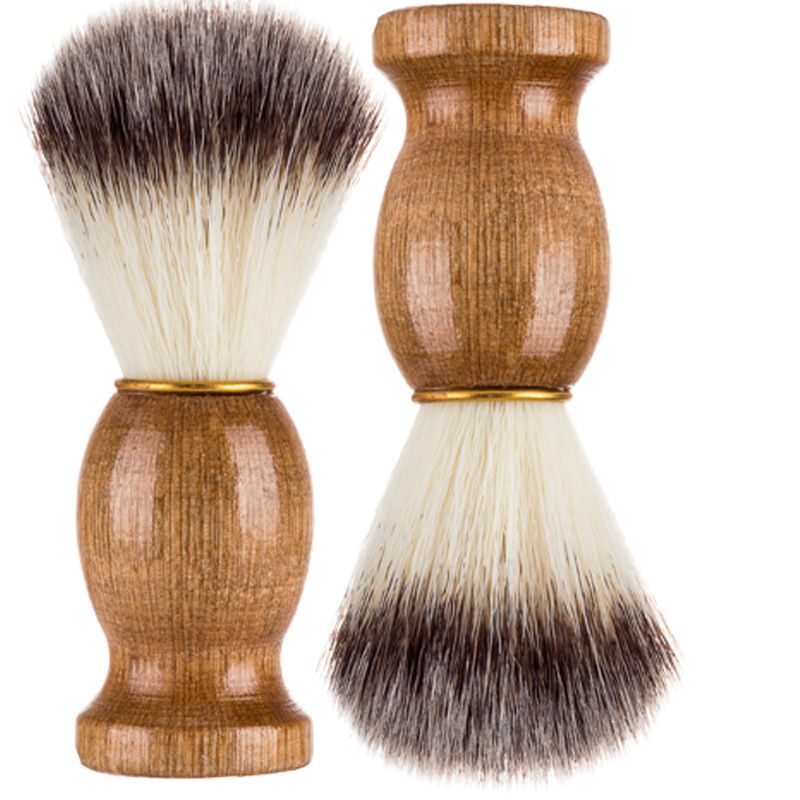
Key Causes of Fading During Washing
Several variables contribute to synthetic bristle discoloration:
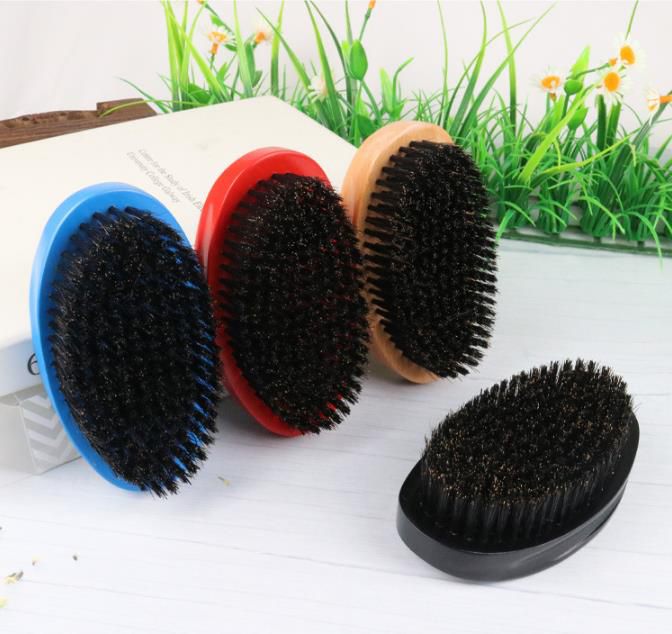
- Dye Quality & Application: Low-cost disperse dyes, often used in budget production, lack the molecular stability to withstand repeated moisture and friction. In contrast, reactive dyes form covalent bonds with fibers, enhancing retention.
- Fiber Type: Nylon 6/6, with its amine groups, typically bonds dyes better than polypropylene, which has a non-polar structure. Porous or textured bristle surfaces (created via etching or blending) also improve dye adhesion.
- Washing Conditions: High temperatures (above 40°C), harsh detergents (containing bleach or enzymes), and prolonged mechanical action (e.g., aggressive scrubbing) accelerate dye breakdown.
Standardized Testing Protocols
To quantify colorfastness, manufacturers adhere to globally recognized standards, ensuring consistency and reliability:
- ISO 105-C06 & AATCC 61: These protocols simulate household washing using a launder-o-meter, a device that replicates mechanical friction, controlled temperature (40–60°C), and standardized detergent. Bristles undergo 5–20 wash cycles (mimicking 6–24 months of use).
- Gray Scale Assessment: Post-testing, bristle color is compared to the ISO 105-A02 gray scale, where a score of 5 indicates no fading and 1 signifies severe discoloration. A minimum score of 4 is typically required for commercial viability.
- Staining Check: Adjacent fabrics (cotton, wool) are evaluated for dye transfer using the same gray scale, ensuring no secondary staining occurs.
Material-Specific Insights
Not all synthetics perform equally. For example:
- Nylon Bristles: When dyed with reactive dyes and pre-treated with plasma to enhance surface porosity, they often score 4–5 on the gray scale, even after 20 cycles.
- PBT Blends: While more heat-resistant, PBT requires specialized disperse dyes and higher curing temperatures (120–140°C) to achieve comparable fastness to nylon.
- Innovations: Nanop coatings (e.g., silica) can seal dye molecules within fibers, boosting resistance to both washing and UV exposure—a boon for bathroom storage near windows.
The Business Case for Rigorous Testing
Investing in colorfastness testing yields tangible benefits:
- Quality Assurance: Identifying weak batches early prevents defective products from reaching consumers.
- Consumer Trust: Brushes that retain color through washes signal attention to detail, justifying premium pricing.
- Regulatory Compliance: Markets like the EU and Japan enforce strict standards for textile dye safety, making testing a legal necessity.
Conclusion
Synthetic bristle colorfastness testing is not merely a quality check—it is a cornerstone of product excellence. By understanding fading triggers, adopting standardized methods, and prioritizing high-performance dyes and fibers, manufacturers can deliver shaving brushes that combine functionality with long-lasting visual appeal. For consumers, this means a tool that looks as good as it performs, wash after wash. In an industry where differentiation is key, colorfastness stands out as a silent yet powerful marker of quality.


