

Canada’s Brush Manufacturers Partner with Universities: Research on Biodegradable Bristle Materials
Canadian Brush Manufacturers Collaborate with Universities to Advance Biodegradable Bristle Materials Research
In an effort to address the global push for sustainability and reduce reliance on non-biodegradable plastics, Canada’s leading brush manufacturers have recently forged partnerships with top universities to pioneer research into biodegradable bristle materials. This collaboration, spanning firms like Toronto Brush Works and Vancouver Bristle Tech alongside academic institutions including the University of Toronto and the University of British Columbia, aims to develop eco-friendly alternatives that match the performance of traditional synthetic bristles while minimizing environmental impact.
The initiative comes amid growing consumer demand for sustainable beauty and household products, with a 2023 report by the Canadian Sustainable Consumption Institute noting a 42% year-over-year increase in searches for “plastic-free brushes” in North America. Traditional brush bristles, often made from nylon or polyester, can take centuries to decompose, contributing to landfill waste and microplastic pollution. Biodegradable alternatives, however, face hurdles: balancing durability, flexibility, and cost with compostability has long stymied industry progress.
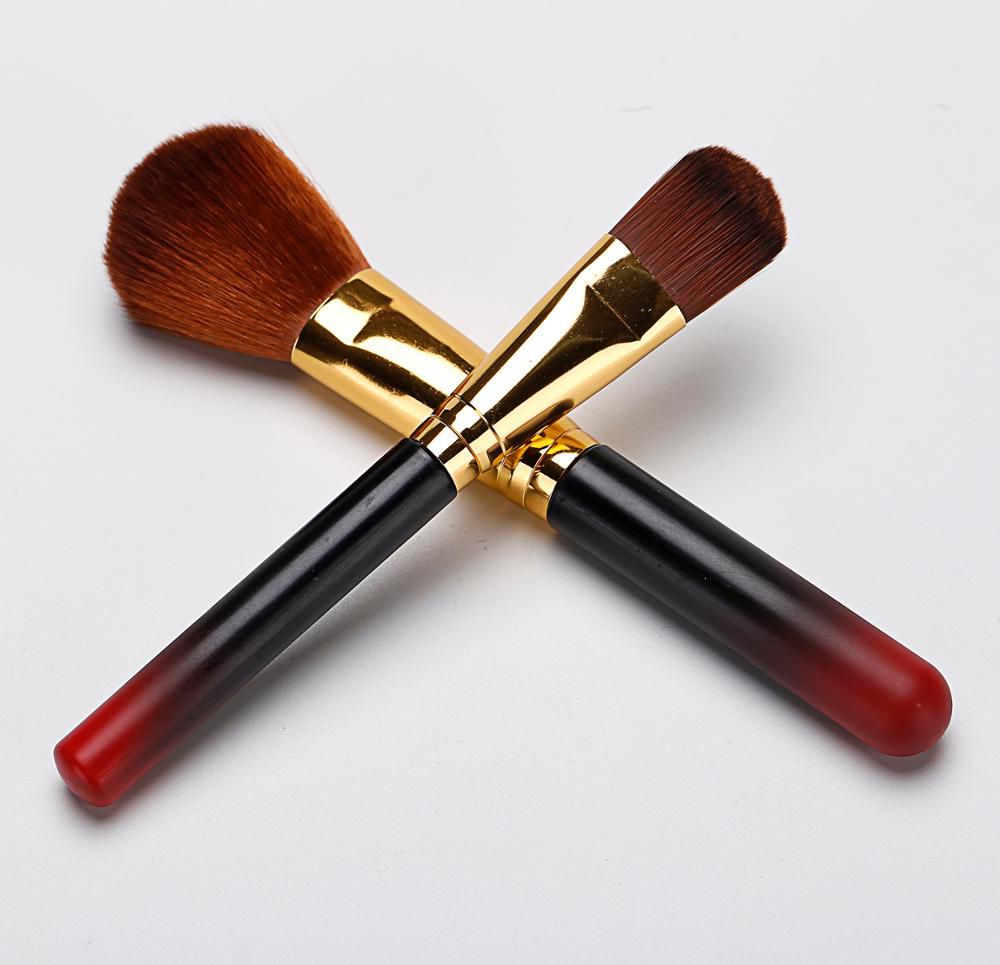
Central to the research is identifying viable raw materials. Teams are exploring plant-based fibers (such as hemp, bamboo, and sugarcane bagasse), mycelium (fungal networks), and agricultural byproducts (like wheat straw and corn husks). “We’re focusing on materials that are locally sourced to reduce carbon footprint,” explains Dr. Elena Marquez, lead researcher at the University of Toronto’s Materials Science Lab. “For example, hemp fibers, abundant in Canada’s prairie provinces, show promise for their natural strength—we’re now testing how to treat them to mimic the elasticity of synthetic bristles.”
A key challenge is ensuring biodegradability without sacrificing functionality. “Consumers won’t switch to eco-friendly brushes if they shed or lose shape after a few uses,” says Michael Chen, R&D director at Vancouver Bristle Tech. To address this, researchers are using advanced testing protocols: ASTM D5511 for compostability (measuring 90% degradation within 180 days) and ISO 12945-2 for bristle performance (assessing stiffness, resilience, and water retention). Early prototypes using a blend of mycelium and flax fibers have met 85% of synthetic bristle durability standards, with ongoing tweaks to enhance wear resistance.
The university-industry model is proving critical for rapid innovation. “Universities bring specialized equipment—like our scanning electron microscopes to analyze fiber structure—and academic rigor, while manufacturers provide real-world insights into production scalability,” notes Dr. James Wilson of the University of British Columbia’s Sustainable Manufacturing Program. Pilot production lines are already in testing, with plans to launch the first commercial biodegradable bristle line by late 2024, targeting beauty, home cleaning, and industrial brush markets.
Beyond environmental benefits, the research is poised to boost Canada’s position in the global sustainable materials sector. “Europe’s strict EPR (Extended Producer Responsibility) laws and California’s plastic bans are driving demand for compliant products,” says Sarah Liu, sustainability lead at Toronto Brush Works. “By leading in biodegradable bristle tech, we’re not just meeting regulations—we’re creating a competitive edge in $2.3 billion global eco-friendly brush market.”
As the collaboration enters its second year, the focus remains on scaling up. “The next phase will involve optimizing manufacturing processes to keep costs within 15% of synthetic bristles,” adds Chen. With consumer and regulatory pressures mounting, this partnership signals a shift: sustainable innovation in brush manufacturing is no longer optional—it’s the future.


