

Walmart’s "Eco-Friendly Beauty" Aisle: Brush Sales with Plant-Based Bristles Up 50%
Walmart’s Eco-Friendly Beauty Aisle Drives 50% Surge in Plant-Based Bristle Brush Sales
In a significant win for sustainable beauty, Walmart’s dedicated "Eco-Friendly Beauty" aisle has reported a 50% year-over-year sales increase for makeup brushes featuring plant-based bristles, according to the retail giant’s latest fiscal report. Launched in early 2023 to meet growing consumer demand for planet-friendly beauty solutions, the专区 (section) has quickly become a standout, with plant-based bristle brushes emerging as its top-selling category.
The surge reflects a broader shift in consumer behavior: modern shoppers, particularly Gen Z and Millennials, are no longer prioritizing just efficacy—they’re demanding products that align with their environmental values. A 2024 Nielsen survey found 73% of U.S. beauty consumers now check for "sustainable materials" on product labels, up from 58% in 2020. Plant-based bristles, made from renewable resources like bamboo fiber, corn starch, and palm leaf fibers, address this by offering a cruelty-free, biodegradable alternative to traditional nylon or animal hair bristles.
Crucially, today’s plant-based options aren’t sacrificing performance for sustainability. Early eco-friendly brushes often faced criticism for being too stiff or poor at powder pickup, but advancements in fiber processing have closed the gap. "Plant-based bristles now match synthetic fibers in softness and抓粉力 (powder retention), with added benefits like natural antimicrobial properties," notes Sarah Chen, senior product developer at a leading eco-beauty tool manufacturer. For example, bamboo fiber brushes, a top-seller at Walmart, are lauded for their silky texture and ability to blend both liquid and powder formulas seamlessly.
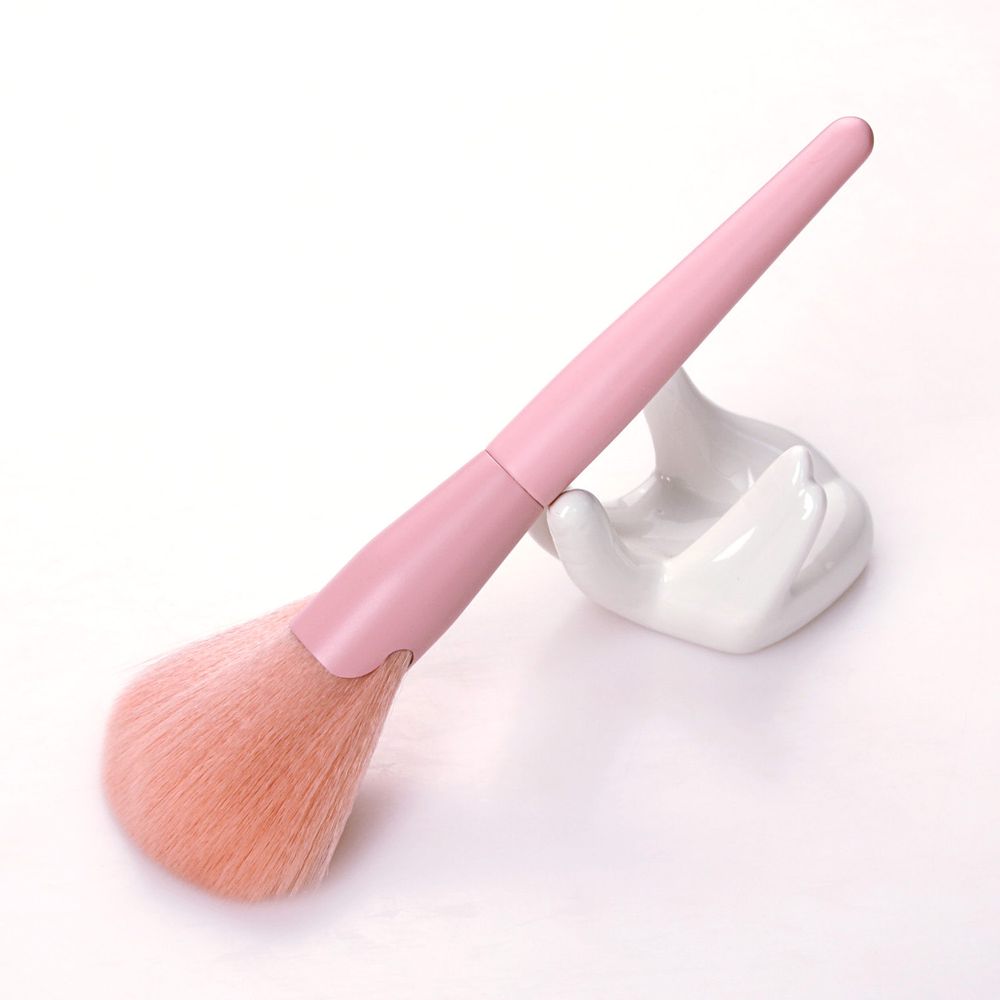
Walmart’s role as a mass-market disruptor has been pivotal. Unlike niche eco-brands that target high-end consumers, Walmart’s aisle prioritizes affordability, with plant-based brushes priced 15-20% lower than comparable animal-hair options. This accessibility has democratized sustainable beauty,吸引 (attracting) budget-conscious shoppers who previously viewed eco-products as "luxury extras." "We’re seeing first-time eco-beauty buyers here—people who want to make greener choices without overspending," says Maria Gonzalez, Walmart’s beauty category manager.
Industry experts attribute the growth to a perfect storm of trends: stricter environmental regulations (e.g., the EU’s Single-Use Plastics Directive), viral social media campaigns highlighting "zero-waste beauty," and a post-pandemic focus on holistic wellness, which now includes planetary health. Market research firm Mintel predicts the global sustainable beauty tools market will grow at a 12% CAGR through 2027, with plant-based bristles leading the charge.
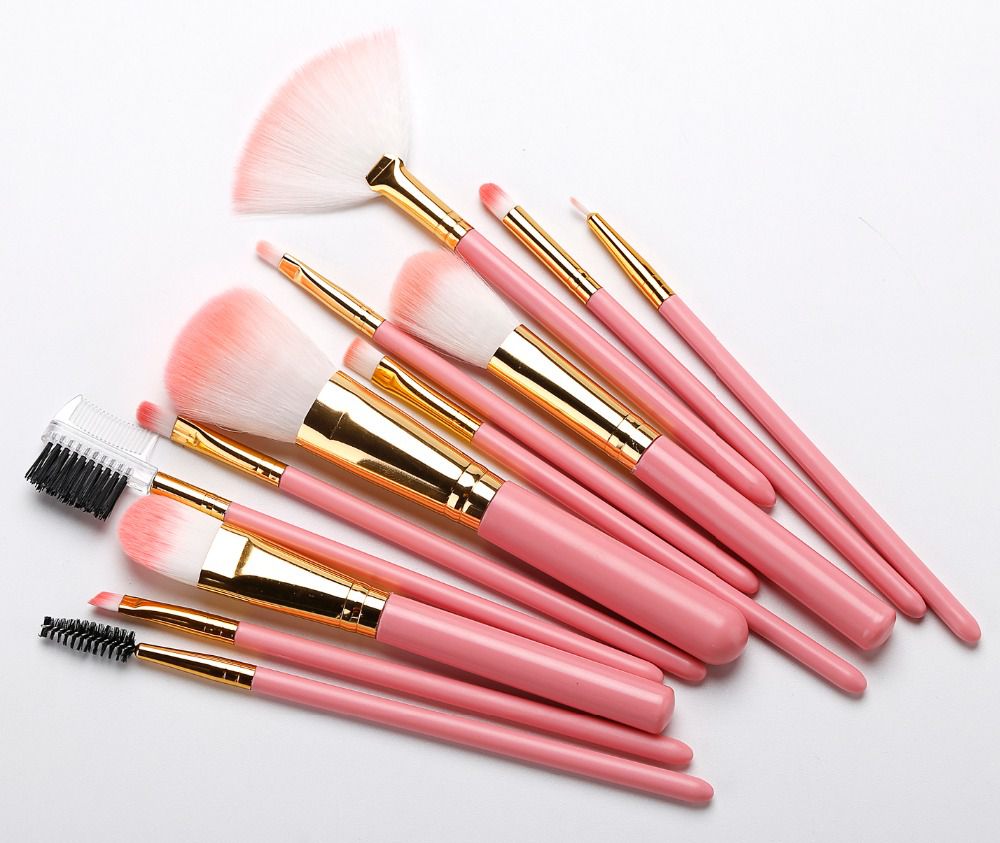
For manufacturers, the demand surge underscores a need to scale plant-based production. "We’ve doubled our bamboo fiber brush output in six months," says Chen. "The key is balancing sustainability with scalability—sourcing renewable plant materials locally to cut carbon footprints, and investing in machinery that reduces water/energy use during bristle processing."
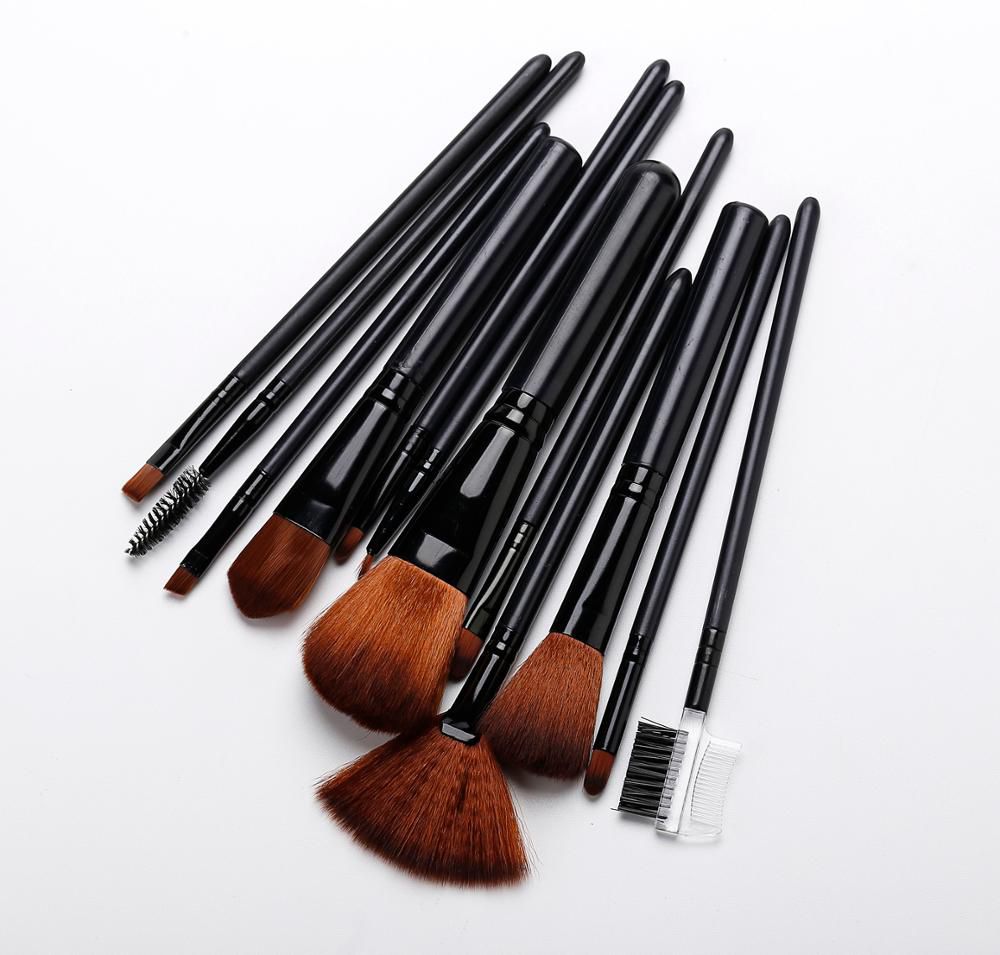
As Walmart expands its eco-aisle to include lip balms in compostable tubes and shampoo bars, the 50% brush sales spike signals a clear message: sustainability is no longer a niche trend. It’s the new standard—one that merges conscience with convenience, and proves eco-friendly beauty can be both accessible and in high demand.


