

Mexico’s Brush Industry Invests in Automation: Robotic Lines Speed Up Bristle Assembly
外语
Mexico’s Brush Industry Bets on Automation: Robotic Lines Transform Bristle Assembly Efficiency
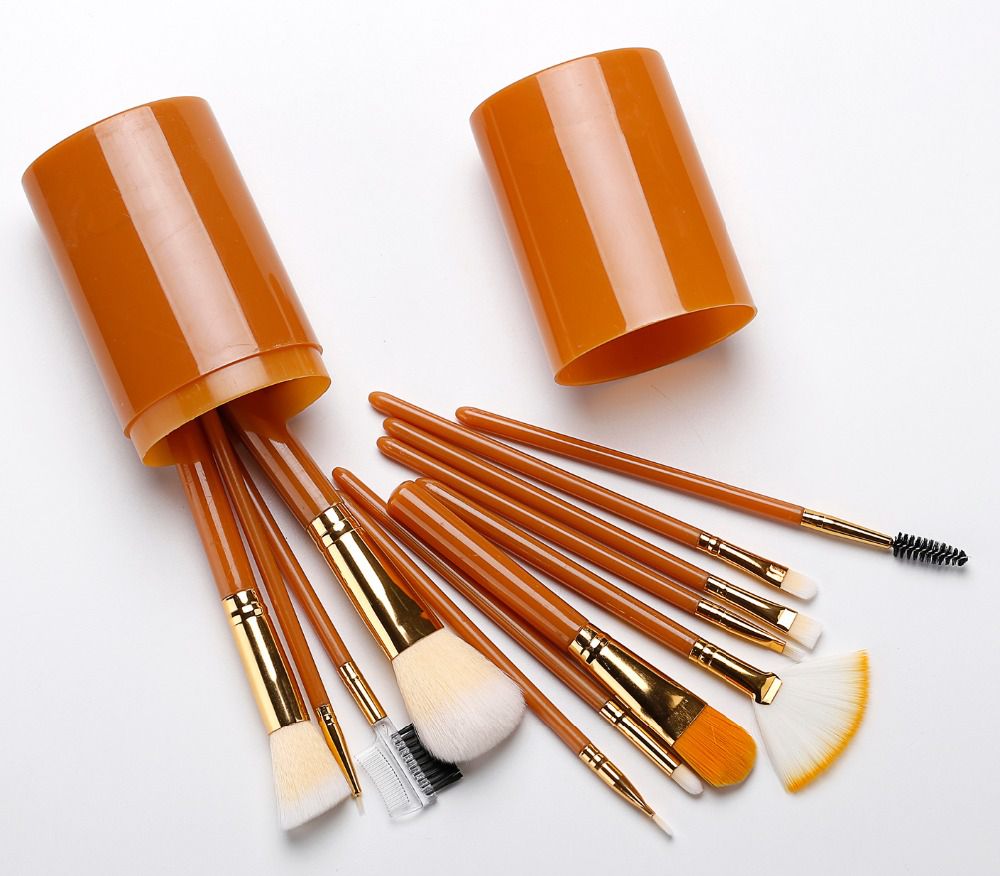
As a key hub in the global beauty supply chain, Mexico’s brush industry is undergoing a technological revolution. With cosmetic markets rebounding post-pandemic and demand for high-quality makeup brushes surging—global sales of premium cosmetic tools are projected to grow 7.2% annually through 2027—local manufacturers are doubling down on automation to meet scale and precision demands. The latest push? Heavy investments in robotic lines, specifically targeting the once labor-intensive bristle assembly process.
Traditionally, bristle assembly relied on skilled workers manually inserting filaments into brush handles, a task prone to inconsistency: human operators could tuft 30–50 bristles per minute, with error rates averaging 5–8% due to fatigue or misalignment. Today, Mexican manufacturers like MexiBrush Group, a leading producer, have invested over $12 million in robotic systems since 2023, aiming to redefine efficiency.
At the heart of this upgrade are advanced robotic tufting machines equipped with 3D vision sensors and servo motors. These systems can precisely align synthetic bristles—nylon, PBT, or vegan-friendly fibers—into brush bases at speeds of 150–200 tufts per minute, a 300% jump from manual rates. “We’re not just faster; we’re smarter,” notes Carlos Mendez, operations director at MexiBrush. “Our robots adjust bristle density in real time—120 filaments/cm² for a fluffy powder brush vs. 200/cm² for a precise eyeshadow brush—matching client specs down to 0.1mm tolerance.”
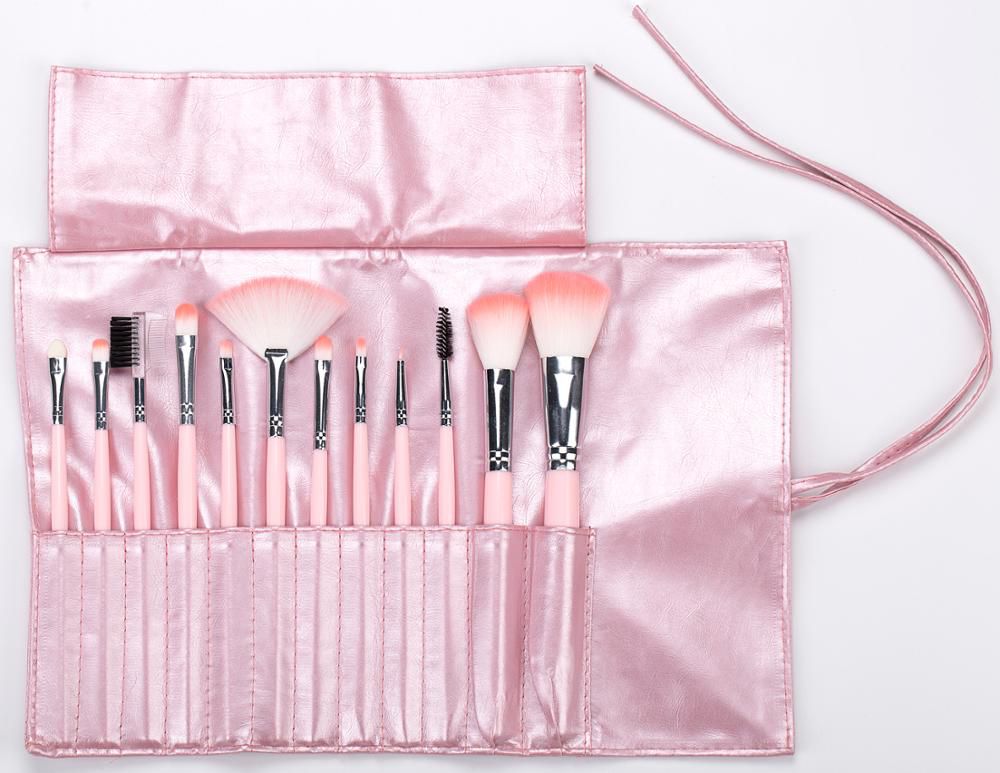
AI-driven quality control further elevates standards. Cameras inspect each brush for bristle length variance (<0.5mm allowed), adhesion strength (via automated pull tests), and fiber integrity, slashing defect rates to 0.3%. Data from these systems feeds into a manufacturing execution system (MES), enabling predictive maintenance and order prioritization—critical for fulfilling fast-turnaround orders from U.S. and European beauty brands.
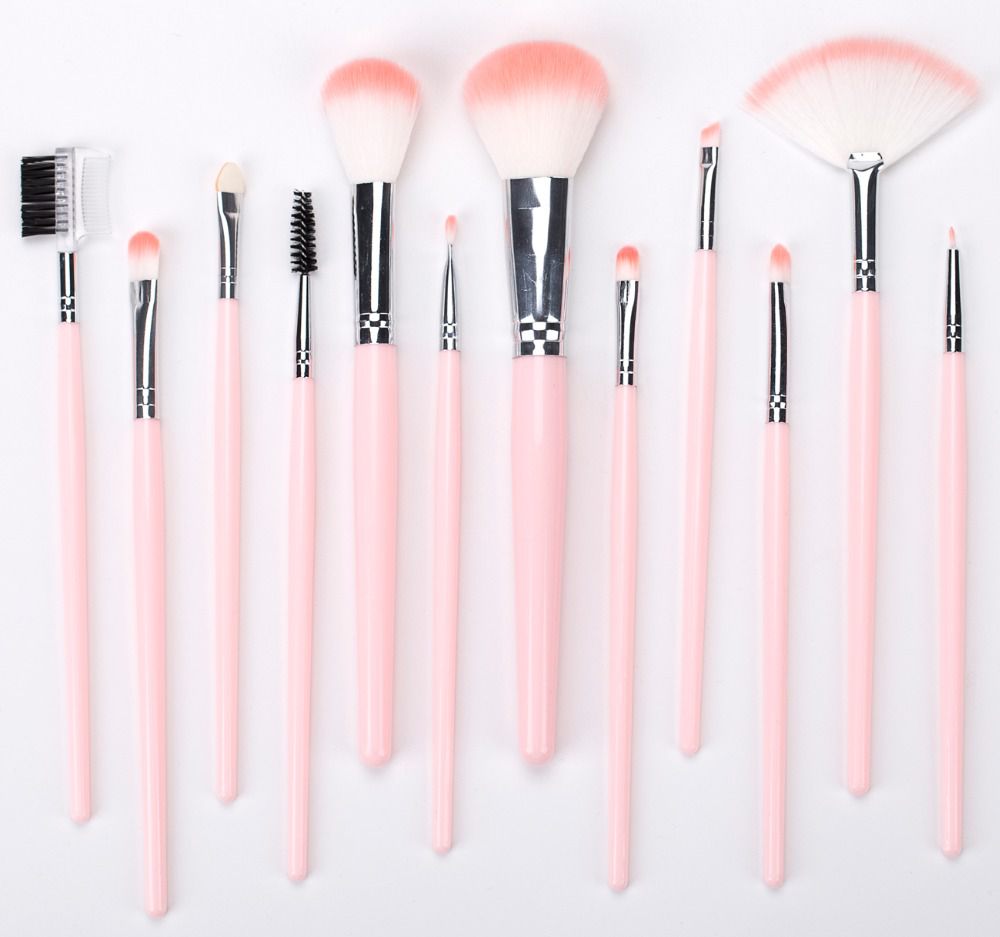
The shift isn’t just about speed. Mexico’s brush sector, long known for cost-competitive labor, now positions itself as a “high-tech manufacturing hub.” Automating bristle assembly reduces reliance on specialized labor (a稀缺 resource post-pandemic) and cuts production costs by 18–22%, per industry reports. For cosmetic brush buyers, this translates to more consistent quality—no uneven bristle distribution ruining makeup application—and shorter lead times, from 45 to 25 days for bulk orders.
Looking ahead, investments are set to deepen. MexiBrush and peers plan to integrate IoT-enabled bristle processing—automating fiber cutting, sterilization, and color sorting—by 2025. “Automation isn’t replacing workers; it’s upskilling them,” Mendez adds. “Employees now manage robot workflows, data analysis, and R&D for next-gen brush designs.”
As Mexico’s brush industry embraces robotic precision, it’s not just transforming local production—it’s raising the bar for global cosmetic manufacturing. For brands and consumers alike, the future of beauty tools is faster, smarter, and made in Mexico.


