

Natural Bristle Sanitization: Ozone Treatment vs. UV Light – Impact on Fiber Integrity
Natural Bristle Sanitization: Ozone Treatment vs. UV Light – Comparing Impact on Fiber Integrity
Natural bristle sanitization is critical in industries like cosmetic brush manufacturing, where animal-derived fibers (e.g., goat, squirrel hair) are prized for softness and blending ability but prone to microbial contamination. Ensuring both pathogen elimination and fiber integrity—key to bristle performance and longevity—requires evaluating disinfection methods. Ozone (O3) and ultraviolet (UV) light are widely used, but their effects on keratin-based fibers differ significantly. This analysis explores their mechanisms, impact on fiber structure, and practical trade-offs.
Ozone Treatment: Potent Disinfection with Oxidative Risks
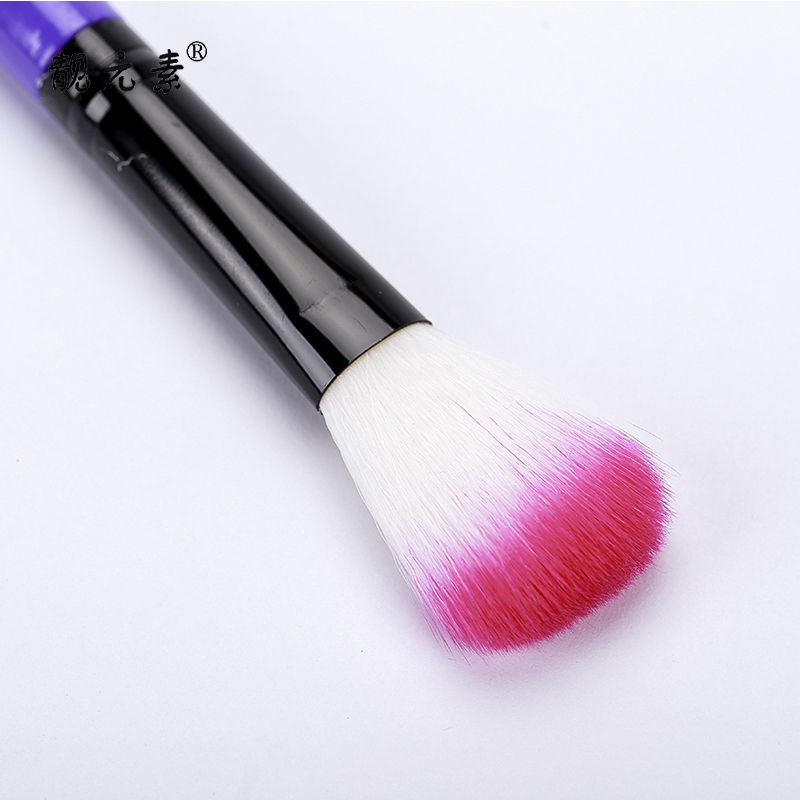
Ozone, a powerful oxidizing agent, disinfects by disrupting microbial cell membranes and fragmenting DNA/RNA. Its gaseous form penetrates dense bristle matrices, reaching embedded microbes surface methods miss. However, ozone’s reactivity threatens keratin, the structural protein in natural bristles. Keratin relies on disulfide (-S-S-) and hydrogen bonds for elasticity and strength; ozone cleaves these bonds, causing brittleness, reduced tensile strength, and surface degradation. Studies show prolonged exposure (>1 hour at 0.3 ppm) leads to surface pitting (via electron microscopy) and reduced amide band intensity (FTIR), indicating protein damage. Higher ozone concentrations boost disinfection but exacerbate fiber harm, creating a trade-off between microbial safety and bristle durability.
UV Light Treatment: Gentler but Surface-Limited
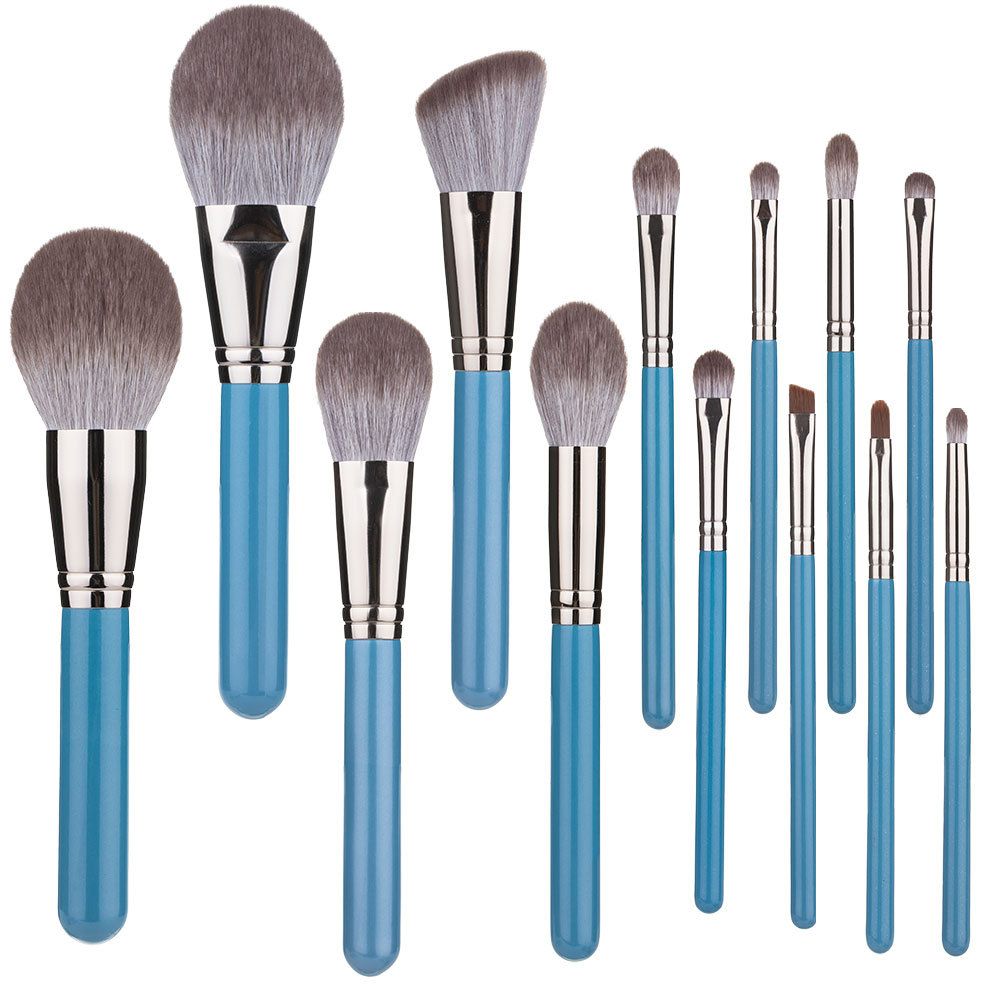
UV-C (200–280 nm) disinfects via photochemical action, inducing thymine dimers in microbial DNA to halt replication. Unlike ozone, its lower energy minimizes direct chemical damage to keratin. Tests on goat hair bristles (UV-C 254 nm, 30 mJ/cm²) showed no significant changes in disulfide bonds or tensile strength. However, UV-C’s poor penetration restricts disinfection to surfaces, leaving internal microbes unaddressed. Prolonged exposure may cause mild photodegradation (dryness, reduced luster) but far less than ozone’s oxidative damage. UV systems are energy-efficient, easy to integrate, and residue-free, appealing for fiber preservation.
Comparing Efficacy, Integrity, and Practicality
Disinfection Depth: Ozone outperforms UV, achieving 99.9% microbial reduction in bristle cores vs. UV’s 90% surface efficacy (ISO 18472).
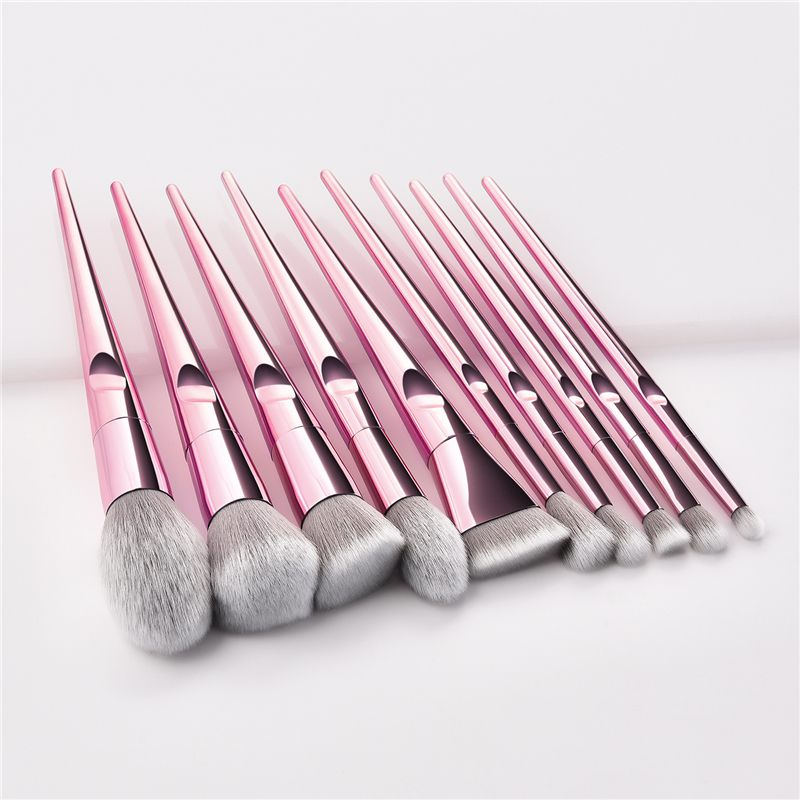
Fiber Damage: Ozone cleaves keratin bonds, reducing tensile strength by 15–20% after 50 cycles; UV causes<5% loss, preserving softness and elasticity.
Operational Costs: Ozone requires airtight chambers and尾气处理, increasing capital/operational expenses; UV systems are lower-cost and simpler to scale.
Conclusion: Balancing Priorities
Ozone delivers superior deep disinfection but risks fiber brittleness via oxidative damage. UV prioritizes integrity and simplicity but leaves internal microbes unaddressed. For luxury cosmetic brushes, where bristle quality drives consumer trust, UV-C with supplementary surface cleaning optimizes fiber preservation. Industrial/medical applications may use ozone with controlled parameters (low concentration, short exposure) to mitigate harm. Future innovations may combine UV (surface) and low-dose ozone (penetration), striking a balance between safety and fiber performance.


