

Bristle Flex Testing: Equipment Used to Measure Brush Performance
Bristle Flex Testing: Key Equipment for Measuring Brush Performance
In the world of shaving brushes and bristle filaments, performance is defined by a delicate balance of flexibility, durability, and resilience. A brush that bends too rigidly irritates the skin; one that sags loses its lathering efficiency. Enter bristle flex testing—a critical quality control process that quantifies these traits. At its core, this testing evaluates how bristle filaments respond to repeated bending, stress, and deformation, directly linking lab data to real-world user experience. For manufacturers, the right equipment transforms abstract "softness" or "stiffness" into measurable metrics, guiding material selection, production tweaks, and product innovation.
Why Bristle Flex Testing Matters
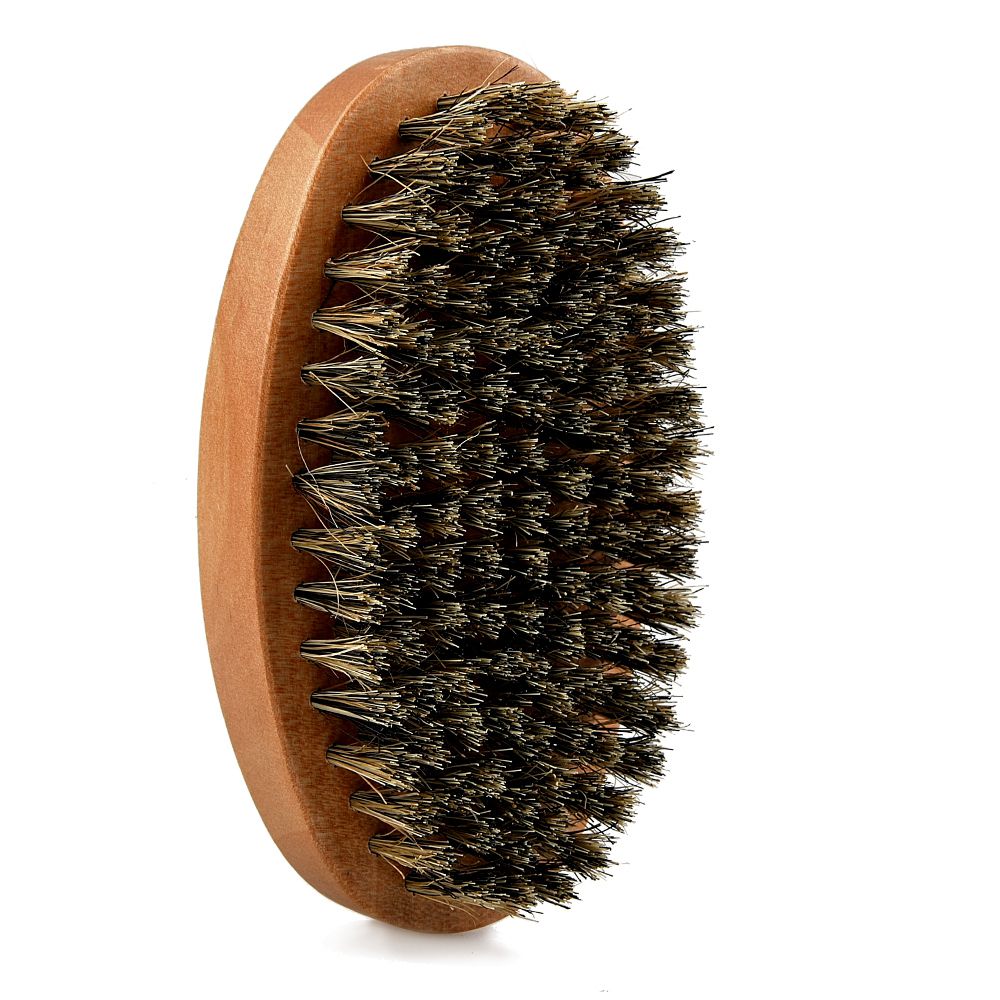
Shaving brushes, whether crafted with synthetic filaments (nylon, PBT) or natural bristles (badger, boar), rely on flex performance to deliver comfort and functionality. A bristle’s ability to bend without breaking, rebound quickly after use, and maintain shape over thousands of lathers determines its lifespan and user satisfaction. Poor flex resistance leads to fraying, splaying, or "mushy" brushes that fail to hold lather—issues that erode brand trust. For producers, flex testing isn’t just about meeting standards; it’s about engineering brushes that feel premium, perform consistently, and outlast competitors.
Core Equipment Shaping Bristle Flex Analysis
To measure these nuanced traits, manufacturers deploy specialized tools tailored to bristle-specific challenges—small diameters (often 0.05–0.2mm), variable materials, and dynamic use patterns. Below are the key machines driving accurate, actionable flex data:
1. Dynamic Bending Testers: Simulating Real-World Motion
Dynamic bending testers replicate the repetitive flexing a brush undergoes during use—think the back-and-forth strokes of lathering. These machines clamp bristle samples (single filaments or bundles) and subject them to controlled bending cycles: a motorized arm bends the bristle to a set angle (e.g., 45° or 90°), holds it momentarily, then releases to measure rebound time and residual deformation.
How it works: Sensors track parameters like maximum bend angle, recovery speed, and force at failure. For example, a high-quality synthetic bristle might recover 95% of its shape within 0.2 seconds after a 60° bend, while a lower-grade filament may only recover 80% and show permanent kinking. This data reveals "flex memory"—a critical指标 for maintaining brush shape over time.
2. Cyclic Fatigue Testing Machines: Testing Durability Under Stress
A brush’s true test is longevity, and cyclic fatigue testers are designed to expose weak points. These machines perform thousands to millions of flex cycles (mimicking months of daily use) at controlled speeds (e.g., 10 cycles/second) and record when filaments crack, split, or lose elasticity.
Application in bristle testing: For synthetic filaments like nylon 66, a fatigue tester might run 10,000 cycles at a 30° bend angle. If 90% of filaments remain intact post-test, the material is deemed durable for high-end brushes. Natural bristles, such as badger hair, often show earlier fatigue due to inherent structural inconsistencies, guiding manufacturers to blend them with synthetic fibers for balance.
3. Stress-Strain Analyzers: Quantifying Flexibility and Strength
Stress-strain analyzers go beyond motion to quantify the physics of flex. By applying incremental force to a bristle and measuring deformation, they generate stress-strain curves—graphs that plot force (stress) against stretch (strain). Key metrics include:
- Elastic modulus: Stiffness indicator (higher = stiffer bristle).
- Yield strength: The stress at which permanent deformation starts (critical for avoiding "sagging" brushes).
- Toughness: Energy absorbed before breaking (resilience against snapping).
Material insights: For example, PBT (polybutylene terephthalate) filaments often show lower elastic modulus than nylon 6, making them softer—ideal for sensitive-skin brushes. Stress-strain data helps manufacturers tweak polymer blends (e.g., adding plasticizers to PBT) to hit target flexibility without sacrificing strength.
4. Optical Profilometers: Microscopic Clarity on Flex Damage
Even after mechanical testing, visible wear isn’t always obvious. Optical profilometers use high-resolution imaging (up to 1μm precision) to scan bristle surfaces pre- and post-test, revealing micro-cracks, fiber fraying, or surface degradation invisible to the naked eye.
Why it matters: A bristle might pass a 10,000-cycle fatigue test but show micro-cracks under profilometry—signaling latent weakness that could cause premature failure. This data pushes manufacturers to refine extrusion processes (e.g., smoothing filament surfaces) to enhance flex resistance.
From Data to Better Brushes
For producers, flex testing equipment isn’t just about compliance—it’s a design tool. By correlating tester data with consumer feedback (e.g., "brush felt ‘too stiff’" aligning with high elastic modulus readings), teams can iterate: adjusting bristle diameter (thinner = softer), optimizing tuft density (reducing crowding to ease flex), or switching materials (e.g., from nylon 6 to modified PBT for better rebound).
The Future of Flex Testing
As the industry leans into sustainability and smart manufacturing, next-gen equipment is emerging: IoT-enabled testers that stream real-time data to cloud platforms, AI algorithms predicting flex performance from raw material specs, and eco-focused machines testing bio-based filaments (e.g., PLA blends) for viable flex alternatives to petroleum-based synthetics.
In the end, bristle flex testing equipment bridges the gap between lab precision and the shave bowl. For manufacturers, it’s the compass guiding the creation of brushes that don’t just meet standards—but redefine what "high performance" feels like.


