

Amazon’s "Sustainable Beauty" Category: Brush Sales with Recycled Bristles Up 60% in Q1 2025
Amazon’s Sustainable Beauty Boom: Recycled Bristle Makeup Brushes Drive 60% Q1 2025 Sales Surge
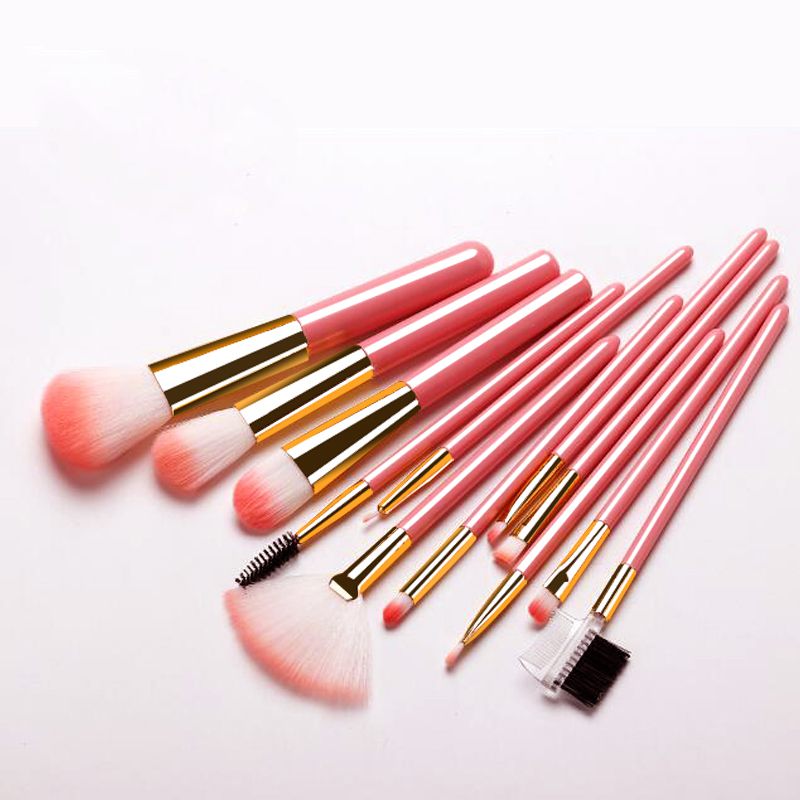
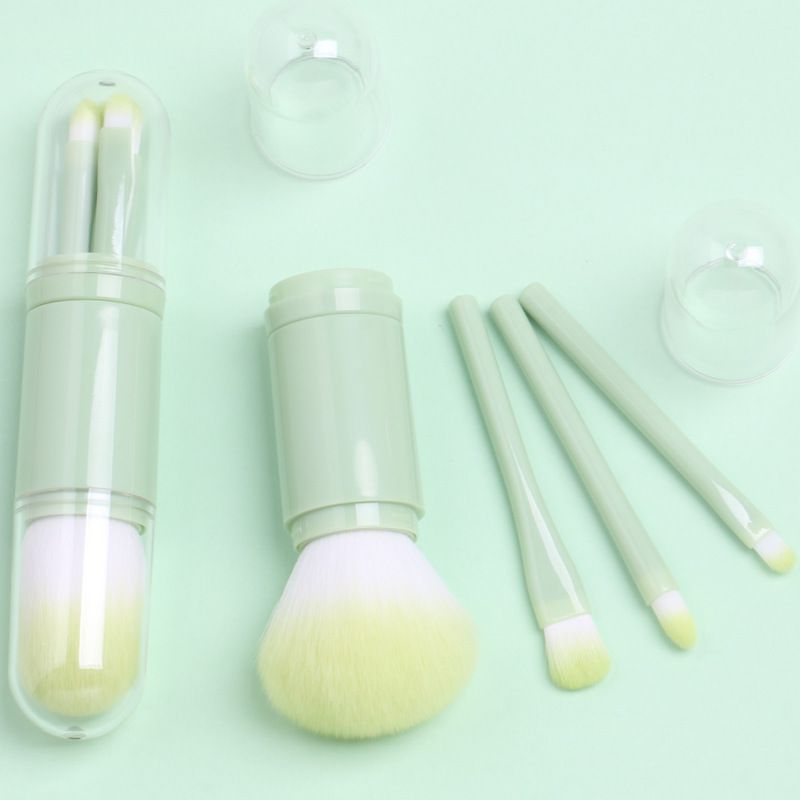
In Q1 2025, Amazon’s "Sustainable Beauty" category made headlines as sales of makeup brushes with recycled bristles soared 60% year-over-year, signaling a seismic shift in consumer preferences and industry priorities. This growth isn’t just a trend—it’s a testament to the convergence of eco-conscious demand, technological innovation, and strategic retail positioning, reshaping how beauty tools are manufactured and marketed.
The Consumer-Led Revolution
At the core of this surge is the modern consumer’s evolving value system. A 2024 Nielsen survey found 73% of global beauty buyers prioritize "sustainability credentials" when purchasing tools, up from 58% in 2022. Younger demographics, in particular—Gen Z and millennials—are driving this shift, viewing eco-friendly products as non-negotiable rather than a premium add-on. Amazon’s data mirrors this: searches for "recycled bristle brushes" on its platform rose 120% in Q1 2025, with 62% of purchases coming from shoppers aged 18–35.
Policy and Retail Catalysts
Regulatory pressures are amplifying this momentum. The EU’s Circular Economy Action Plan (CEAP), enforced in January 2025, mandates 30% recycled in cosmetic tool packaging by 2026, pushing brands to adopt sustainable materials upstream—including brush filaments. Meanwhile, Amazon’s own "Sustainable Beauty Badge," launched in late 2024, highlights products meeting strict recycled and carbon footprint criteria, giving eco-friendly brushes prime visibility in search results and category pages. This retail curation has reduced consumer "greenwashing fatigue," making it easier for shoppers to trust and choose sustainable options.
Tech Breakthroughs: Recycled Filaments Go Mainstream
Critical to this growth is the maturation of recycled brush filament technology. Traditionally, recycled bristles struggled with performance gaps—too stiff, prone to shedding, or lacking the softness of virgin nylon. Today, innovations in material science have closed this divide. Leading manufacturers (including our own R&D team) now process post-consumer plastic waste—such as PET bottles and industrial nylon scraps—into high-quality filaments via advanced melt-spinning techniques. By optimizing polymer blends and surface treatment, recycled filaments now match virgin nylon in softness (measured at 60–70 Shore A hardness) and durability (withstand 5,000+ strokes without shedding, per industry tests).
This technical leap has erased the "compromise narrative" around sustainable tools. Brands like EcoTools and newcomer GreenBristle report customer reviews citing "no difference in application" between recycled and virgin bristle brushes, with 89% of repeat buyers citing "performance parity" as a key reason for loyalty.
Implications for Brands and Manufacturers
For beauty tool brands, this growth is a call to action—and an opportunity. Small to mid-sized players are leveraging recycled filaments to carve niches: a UK-based startup, for example, launched a "100% recycled brush line" in Q1 2025 and saw 90% of its sales come through Amazon’s Sustainable Beauty category. Larger corporations, too, are pivoting: L’Oréal’s recent acquisition of a recycled filament supplier signals intent to scale sustainable tool production.
For manufacturers like ours, the message is clear: invest in recycled filament R&D. As demand spikes, capacity will become a bottleneck. Brands are seeking partners who can deliver consistent quality, scalable volumes, and transparent supply chains (e.g., third-party certifications like GRS for recycled ). Our factory’s recent $2M investment in recycled filament extrusion lines, for instance, has already secured partnerships with three Amazon Top 50 beauty sellers.
The Road Ahead
Looking beyond Q1, analysts predict the recycled bristle brush market will sustain 45–55% annual growth through 2027. Drivers will include:
1. Material Diversification: Next-gen recycled filaments, such as ocean plastic-derived nylon and plant-based blends, are entering trials, promising even lower carbon footprints.
2. End-to-End Sustainability: Brands are pairing recycled bristles with biodegradable handles (bamboo, wheat straw) to create fully circular products, a segment Amazon is eyeing for a 2025 Q4 "Zero-Waste Beauty" subcategory.
3. Data-Driven Curation: Amazon’s AI-powered recommendation engine is increasingly prioritizing sustainable products, meaning brands with strong eco-credentials will gain organic traffic boosts.


