

U.S. Beauty Brands Launch "Men’s Brush Lines": Stiffer Bristles for Grooming Products
U.S. Beauty Brands Launch Men’s Brush Lines Stiffer Bristles Redefine Male Grooming Tools
In recent years, the U.S. beauty industry has witnessed a quiet revolution: men’s grooming is no longer an afterthought. As male consumers increasingly prioritize self-care, leading American beauty brands are expanding their offerings with dedicated men’s brush lines, and at the heart of this shift lies a key innovation—stiffer bristles tailored to male grooming needs.
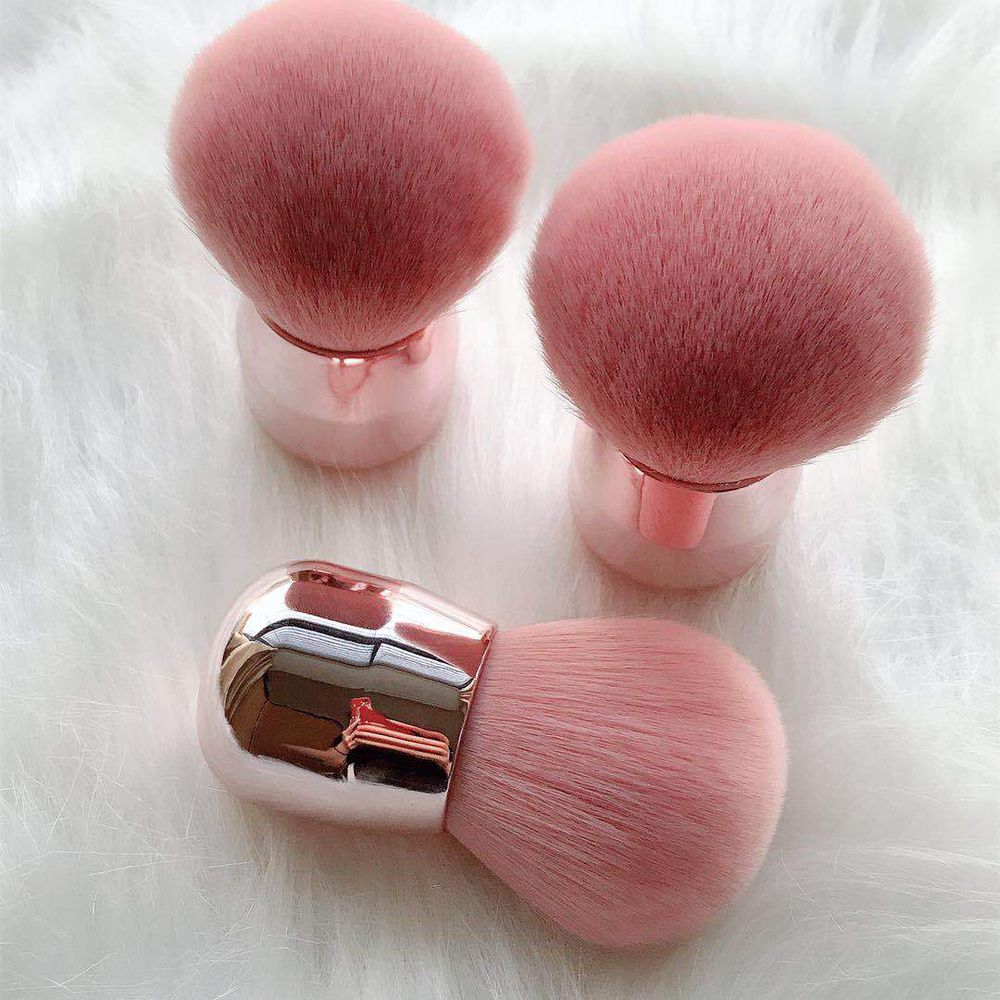
Market data underscores the urgency behind this move. According to Grand View Research, the global men’s grooming market is projected to reach $81.2 billion by 2028, with tools and accessories emerging as the fastest-growing segment, boasting a CAGR of 5.8%. In the U.S., post-pandemic shifts—remote work’s casualization balanced with hybrid office demands for polished appearances—have accelerated demand for professional-grade at-home tools. Men are no longer relying on generic drugstore combs; they’re seeking brushes designed specifically for their hair, beards, and skin.
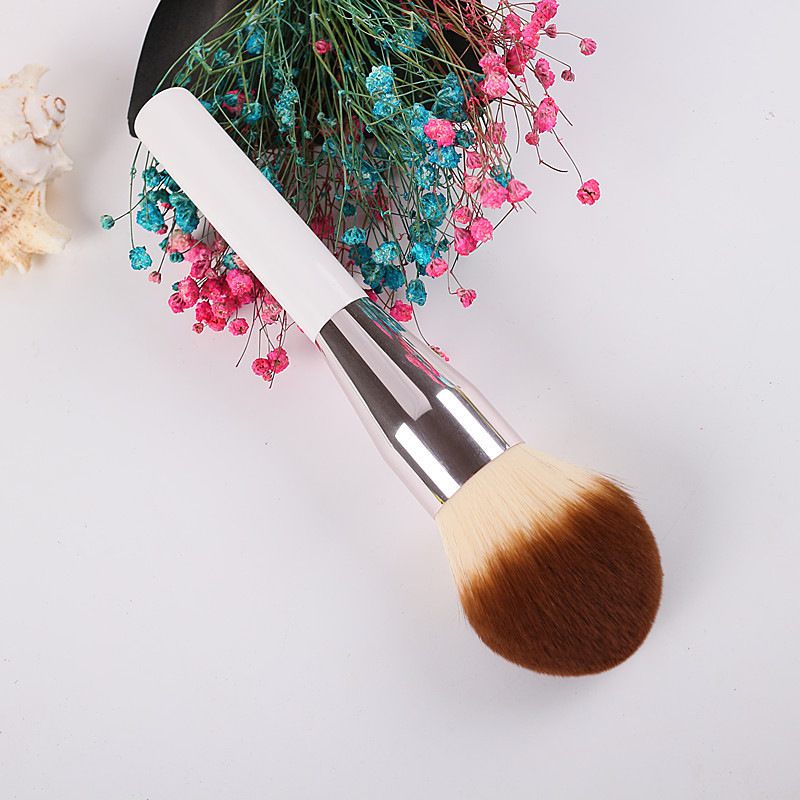
Leading U.S. beauty conglomerates and emerging DTC brands alike are answering this call. While specifics vary, these new lines share a defining feature: stiffer, more resilient bristles. Unlike traditional women’s makeup brushes, which prioritize softness for blending powders, men’s grooming brushes require durability and targeted application. “It’s not just about making a ‘male version’ of existing tools,” notes a product developer at a major U.S. beauty brand. “Male grooming involves thicker hair textures, coarser facial hair, and heavier products—think beard balms, pomades, and oil-based moisturizers. Stiffer bristles distribute these formulas more evenly and reach deeper into hair follicles than softer alternatives.”
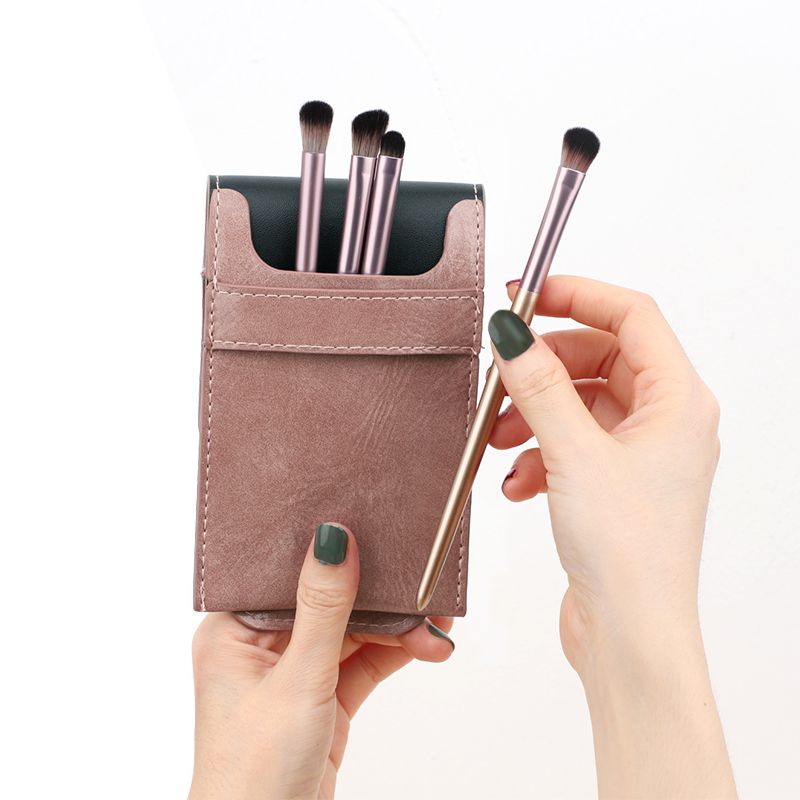
Technically, this translates to deliberate material and design choices. Most new men’s brushes use synthetic fibers (nylon or polyester) with higher denier ratings—typically 20-30 denier, compared to 10-15 for women’s powder brushes. Higher denier means thicker, stiffer fibers that retain shape even with repeated use. Brands are also experimenting with bristle “crimp” patterns: tight, irregular crimps add flexibility without sacrificing rigidity, ideal for detangling beards or blending skincare products into rough skin textures.
Shape matters too. Many lines feature ergonomic, weightier handles (often metal or matte-finished wood) for a secure grip, while bristle heads are optimized for多功能性. A single brush might serve dual purposes: a rounded tip for massaging scalp serums and a tapered edge for shaping sideburns. This “all-in-one” design aligns with male consumers’ preference for efficiency—72% of U.S. men surveyed by Mintel prioritize products that simplify their routines.
Critics might dismiss stiffer bristles as a marketing gimmick, but consumer response suggests otherwise. Early launches from brands like Harry’s and Bevel have seen sell-out rates exceeding 80% within weeks, with social media buzz driven by male influencers demonstrating “before-and-after” results of beard styling and skincare application. “Men are realizing that the right tool elevates the entire grooming experience,” says a beauty industry analyst. “It’s not about vanity—it’s about control and confidence.”
Looking ahead, this trend is poised to expand. As more brands enter the space, competition will drive innovation: expect to see antimicrobial bristle coatings (for hygiene), customizable bristle stiffness, and even smart brushes with app connectivity to track usage. For manufacturers, the shift presents opportunities to refine production processes—investing in specialized extrusion molds for synthetic fibers and collaborating with male focus groups to iterate on design.
Ultimately, the rise of men’s stiff-bristle brush lines reflects a broader industry truth: male grooming is no longer niche. It’s a mainstream market demanding products that respect its unique needs—proof that in beauty, innovation thrives when brands listen, adapt, and reimagine tools through a gender-inclusive lens.


