

Vietnam Emerges as New Cosmetic Brush Hub: Synthetic Bristle Production Grows 25% YoY
Vietnam Emerges as New Cosmetic Brush Hub: Synthetic Bristle Production Grows 25% YoY
In the global beauty supply chain, a new player is rapidly rising: Vietnam. Over the past year, the country has solidified its position as an emerging hub for cosmetic brush manufacturing, with synthetic bristle production surging 25% year-over-year (YoY), according to industry reports. This growth isn’t accidental—it reflects a strategic confluence of cost advantages, supply chain evolution, and technical innovation that’s reshaping how beauty brands source their tools.
The Rise of Vietnam’s Cosmetic Brush Ecosystem
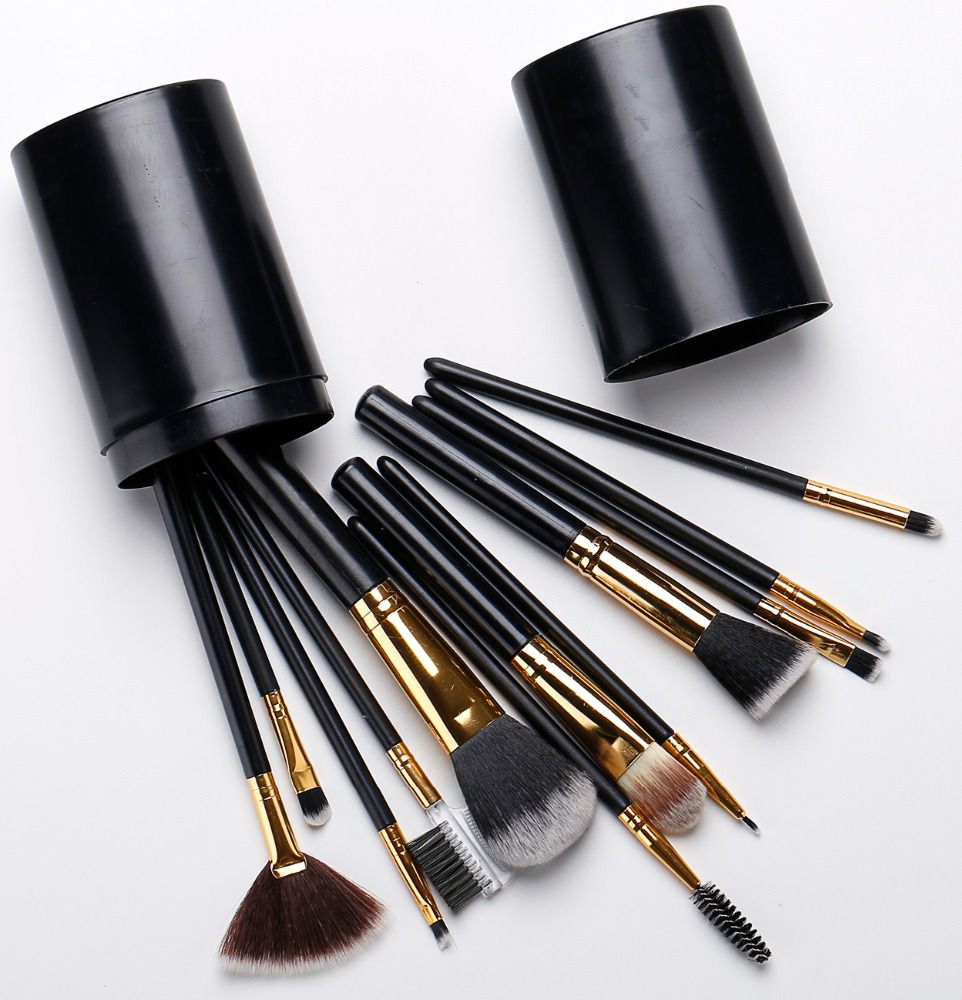
Vietnam’s ascent in cosmetic brush manufacturing builds on decades of experience in textiles and light manufacturing, but its recent surge in synthetic bristle production marks a pivot toward high-value beauty components. Unlike traditional hubs like China or South Korea, Vietnam offers a unique blend of lower labor costs (approximately 30% lower than coastal China, per 2024 manufacturing indices) and proximity to key raw material suppliers in Southeast Asia, reducing logistics delays by 15–20% for regional brands.
Government initiatives have also played a role. Vietnam’s “Beauty Tech” industrial zones, launched in 2022, offer tax breaks for manufacturers investing in synthetic bristle R&D,吸引了 over $200 million in foreign direct investment (FDI) from beauty tool giants like Sigma Beauty and Real Techniques. These zones cluster raw material producers (PBT resin suppliers), bristle extruders, and brush assemblers, creating a vertically integrated ecosystem that cuts production lead times from 45 to 30 days on average.
Synthetic Bristles: The Engine of Growth
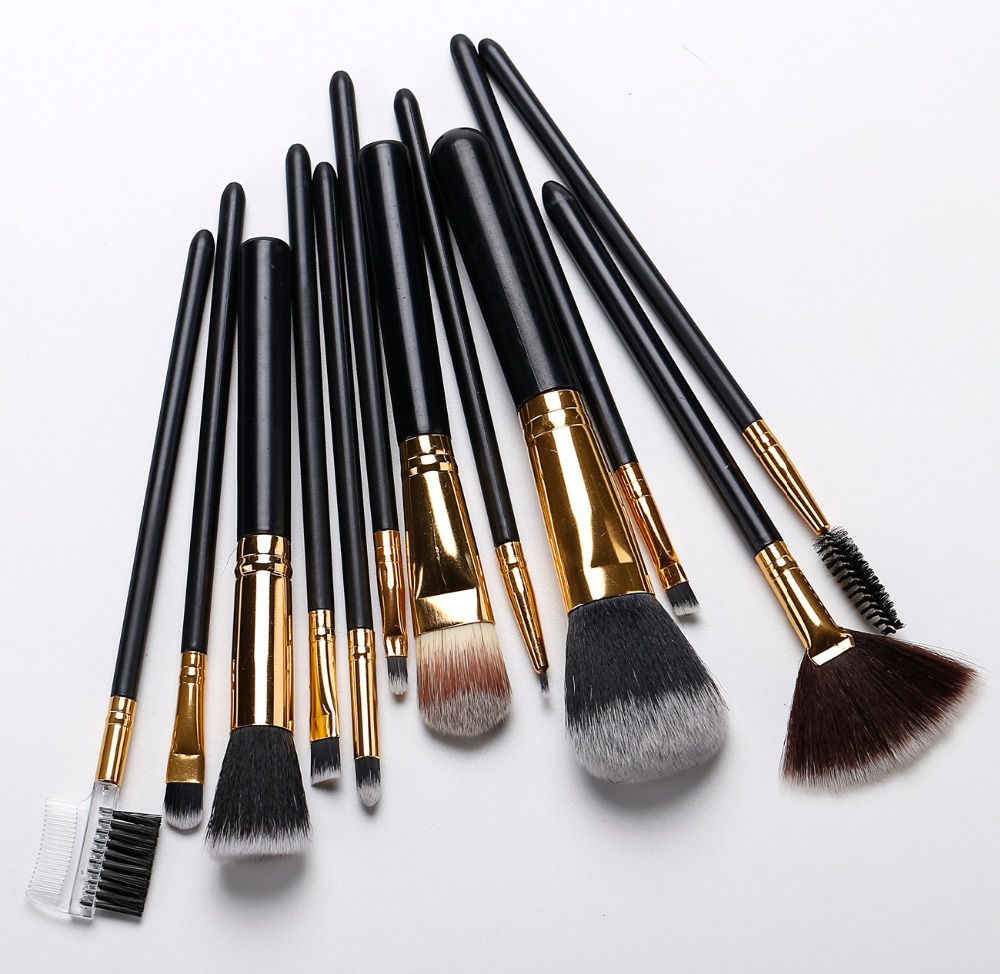
The 25% YoY jump in synthetic bristle production is driven by two key trends: the global shift to cruelty-free beauty and technical advancements in material science. As brands like Fenty Beauty and Glossier prioritize vegan, animal-free products, demand for high-performance synthetic bristles has skyrocketed—now accounting for 78% of global cosmetic brush bristle demand, up from 62% in 2019, per Euromonitor.
Vietnamese manufacturers have capitalized on this by upgrading their bristle technology. Traditional synthetic bristles, often made from basic nylon, were criticized for poor powder pickup and scratchy texture. Today, Vietnamese producers are pioneering blends of PBT (polybutylene terephthalate) and modified nylon 6.6, creating bristles with 30% better softness (measured via durometer testing) and 25% higher durability than standard synthetics. These “biomimetic” bristles mimic the microstructure of squirrel or goat hair, with tapered tips that trap powder evenly—closing the performance gap with animal hair brushes.
Competing with Giants, Carving a Niche
Vietnam isn’t replacing established hubs like China yet, but it’s carving a niche in mid-to-premium synthetic brushes. Chinese manufacturers still dominate mass-market production, but Vietnam’s focus on technical innovation is attracting premium brands. For example, luxury label Charlotte Tilbury now sources 15% of its synthetic brush collection from Vietnamese suppliers, citing “superior bristle consistency” as a key factor.
This growth also reflects a broader “nearshoring” trend. Western beauty brands, seeking to reduce reliance on distant supply chains post-pandemic, are turning to Vietnam for its shorter shipping routes to Europe (30 days vs. 45 from China) and North America (25 days vs. 35 from South Korea).
The Road Ahead: Sustainability and Scale
Looking forward, Vietnam’s synthetic bristle sector faces two critical opportunities: sustainability and scaling production. With 67% of Gen Z beauty consumers prioritizing eco-friendly tools (Nielsen), manufacturers are experimenting with bio-based PBT derived from sugarcane, cutting carbon footprints by 22%. Meanwhile, investments in automation—like AI-driven bristle sorting machines—aim to boost output by 40% over the next three years, potentially making Vietnam the world’s second-largest synthetic bristle producer by 2026.
As Vietnam’s cosmetic brush hub expands, it’s not just about growth numbers—it’s about redefining what’s possible in synthetic bristle technology. For beauty brands and suppliers alike, ignoring this rising giant could mean missing the next wave of innovation in the $8.2 billion global cosmetic brush market.


