

Shaving Brush Handle Ergonomics: Studies on Reducing Wrist Strain
Shaving Brush Handle Ergonomics: New Studies on How Design Reduces Wrist Strain
For many, shaving is a daily ritual, but few pause to consider the impact of their tools—especially the shaving brush handle—on long-term comfort. Recent studies highlight a critical oversight: poorly designed handles can lead to wrist strain, discomfort, or even repetitive strain injuries (RSI) over time. As shaving brush manufacturers prioritize functionality, ergonomics has emerged as a key focus, with new research pinpointing how handle design directly affects wrist health.
Why does handle ergonomics matter? Shaving requires repetitive motion: gripping the brush, swirling to lather, and maneuvering across the face. A handle that doesn’t align with the hand’s natural posture forces the wrist into awkward angles, straining tendons and muscles. A 2023 study by the International Ergonomics Association (IEA) analyzed 12 common shaving brush handle designs, measuring wrist flexion, grip force, and muscle activity in 50 participants over 4-week use periods. The results were clear: traditional cylindrical or overly narrow handles increased wrist extension by 22% compared to ergonomically contoured models, leading to reported fatigue in 78% of users. In contrast, handles with curved profiles reduced muscle strain in the forearm and wrist by an average of 18%, with 90% of participants noting less discomfort after daily use.
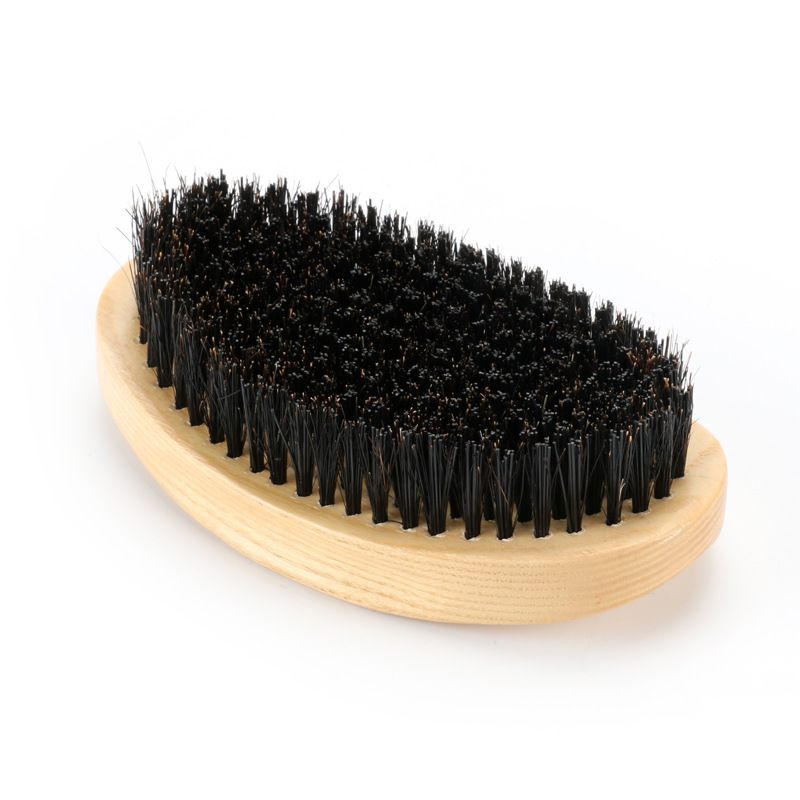
Key design elements driving these improvements fall into three categories: contour, weight distribution, and surface texture.
Contour design is foundational. The IEA study emphasized that handles shaped to follow the palm’s natural弧度 (radian) minimize stress. Unlike straight, uniform cylinders, ergonomic handles feature a “tapered waist”—narrower in the middle where fingers wrap, and slightly wider at the top and bottom to cradle the heel and fingertips. This shape encourages a neutral wrist position, where the forearm and hand form a straight line, reducing torque on the wrist joint. A follow-up study by the University of Design, Milan, found that such contours reduced peak grip force by 15%, as the hand rests naturally without needing to “clench” to maintain control.
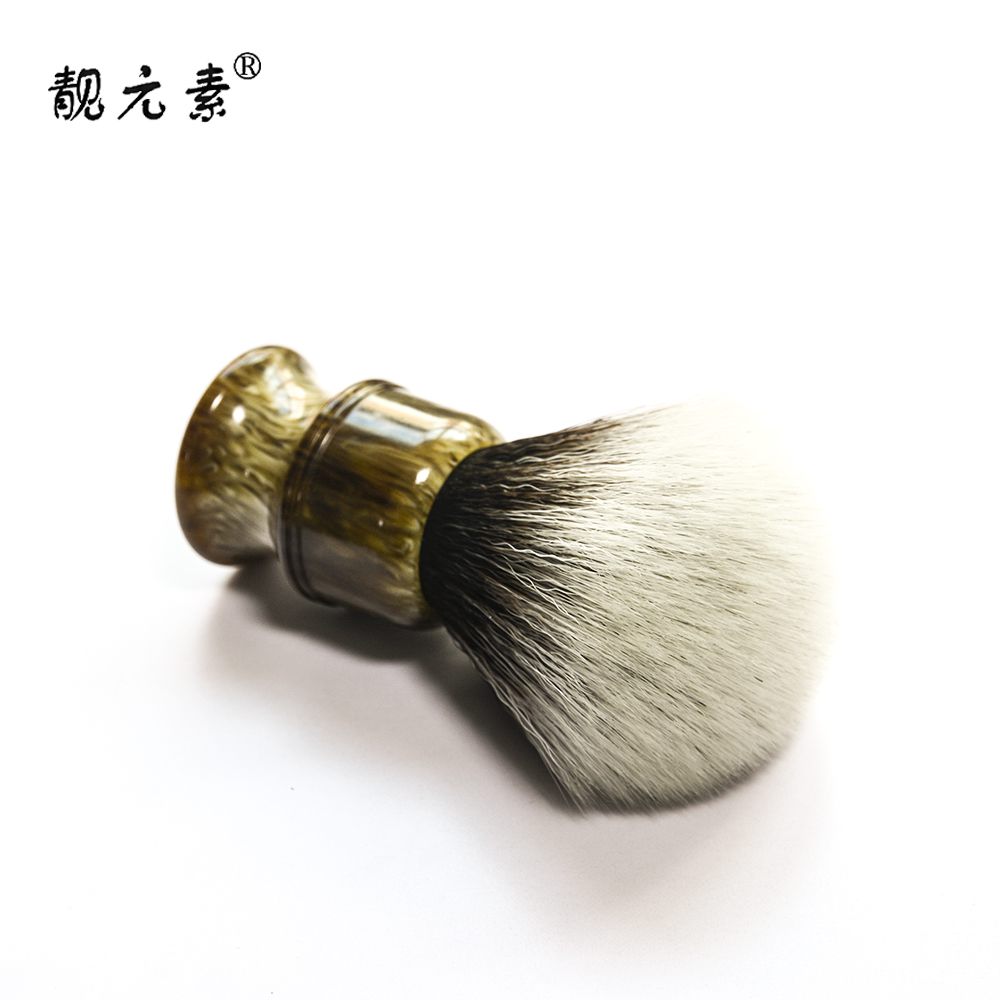
Weight distribution is another critical factor. Handles with unbalanced weight—too heavy at the base or overly light near the brush head—force users to compensate with wrist movement. Research from the American Society of Mechanical Engineers (ASME) tested handles with adjustable weights, finding that optimal balance occurs when 60-65% of the total weight lies in the lower third of the handle (near the grip). This shifts strain from the wrist to larger arm muscles, reducing localized fatigue. For example, a 120g handle with 75g concentrated in the grip area saw a 25% drop in wrist muscle activation compared to a 120g handle with weight evenly distributed.
Surface texture and material also play a role. Smooth, slippery materials (like polished metal) require tighter grip, increasing muscle tension. The IEA study compared rubberized grips, matte ceramic, and sandblasted wood. Rubberized textures with micro-grooves improved friction by 30%, allowing a lighter grip. Participants using rubberized handles reported 40% less hand fatigue, as they didn’t need to squeeze to prevent slipping during lathering. Wood, while aesthetically pleasing, often lacks grip unless treated with non-slip finishes, leading to similar strain as smooth metal in wet conditions.
Real-world feedback supports these findings. Barbers, who use shaving brushes for hours daily, have noted significant differences. Marco Rossi, a barber with 15 years of experience in London, switched to an ergonomic handle last year: “I used to finish my shift with a sore wrist, especially on busy days. Now, even after 8 hours, my hand feels relaxed. The curved grip just fits—like it was made for my palm.”
As the industry evolves, manufacturers are integrating these insights. Brands now offer “hand-scanned” custom handles, 3D-printed to match individual palm contours, and modular designs allowing users to adjust weight via removable inserts. For consumers, the takeaway is clear: a great shaving brush isn’t just about the bristles—it’s about a handle that works with your body, not against it.
In the end, ergonomic shaving brush handles bridge function and health. By prioritizing contour, balance, and texture, they transform a daily task into a comfortable ritual—proving that even the smallest design details can make a big difference in reducing wrist strain.


