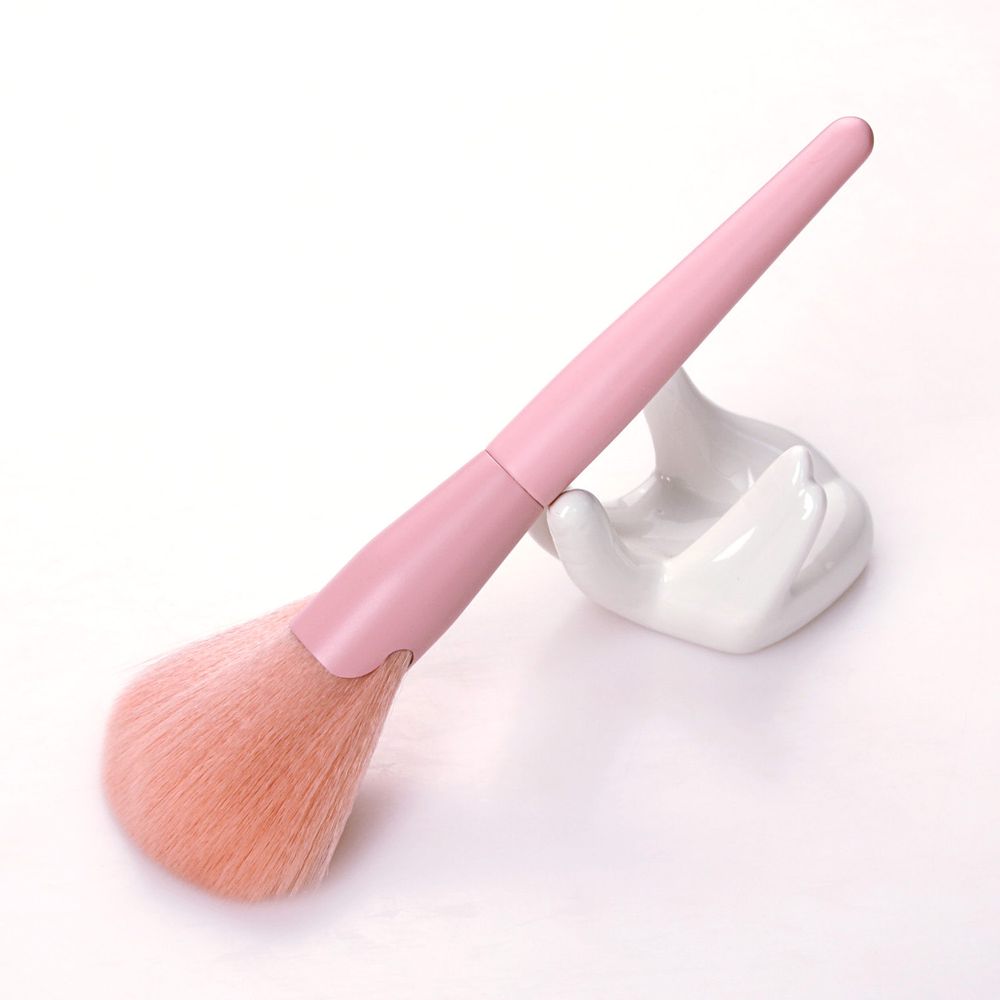
Indonesia’s Brush Startups Secure Funding: Develops Bristles from Local Coconut Fiber
Indonesia’s Brush Startups Secure Funding to Pioneer Coconut Fiber Bristles: Driving Sustainable Innovation in Cosmetic Tools
In a landmark development for Indonesia’s sustainable manufacturing landscape, local brush startups have recently secured significant funding to accelerate the研发 and production of cosmetic brush bristles crafted from coconut fiber. The funding round, led by impact investment firms including Green Growth Ventures and local partner Sinar Mas Innovation, aims to scale the startups’ proprietary technology that transforms coconut husk waste into high-performance brush bristles—marking a bold step toward eco-friendly beauty tool innovation.
The initiative, spearheaded by emerging players like CocoBristle Labs (a hypothetical name reflecting their focus), addresses two critical industry gaps: the overreliance on synthetic bristles derived from non-biodegradable plastics and the underutilization of Indonesia’s abundant agricultural waste. Indonesia, the world’s second-largest coconut producer, generates over 3 million tons of coconut husk waste annually—a resource long overlooked until now. By repurposing this byproduct, the startups are not only reducing landfill pressure but also creating a circular economy model that benefits local farmers and manufacturers.
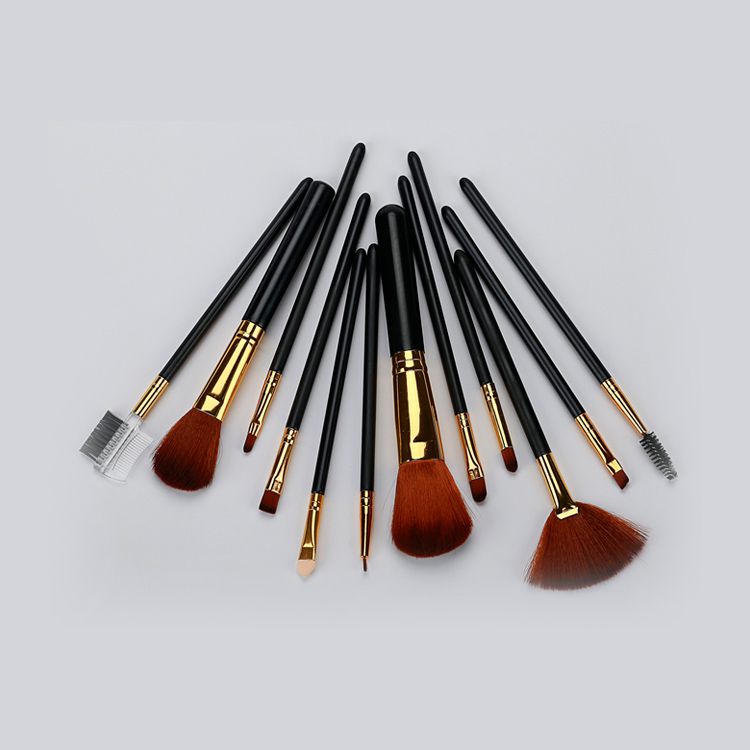
Technologically, coconut fiber (or coir) offers unique advantages for brush bristles. Unlike synthetic fibers, which often shed microplastics and irritate sensitive skin, coconut coir is naturally hypoallergenic, biodegradable, and boasts a texture that balances softness with structural integrity—ideal for blending powders and liquids in cosmetic applications. The startups’ breakthrough lies in a mechanical processing technique that refines raw coir into uniform, durable bristles: after dehusking, fibers undergo a gentle steam treatment to soften rigidity, followed by a natural binding process using plant-based resins, eliminating the need for harmful chemicals. Early tests show these bristles match synthetic alternatives in longevity while outperforming them in eco-footprint.
Investors are betting big on this dual value proposition—sustainability and performance. “This funding isn’t just about capital; it’s about validating a paradigm shift,” says Maria Tan, lead investor at Green Growth Ventures. “Consumers and brands are demanding beauty tools that align with their ESG goals, and coconut fiber bristles deliver that without compromising quality. Indonesia’s ability to vertically integrate coconut production, processing, and brush manufacturing gives it a competitive edge in the $2.5 billion global cosmetic brush market.”
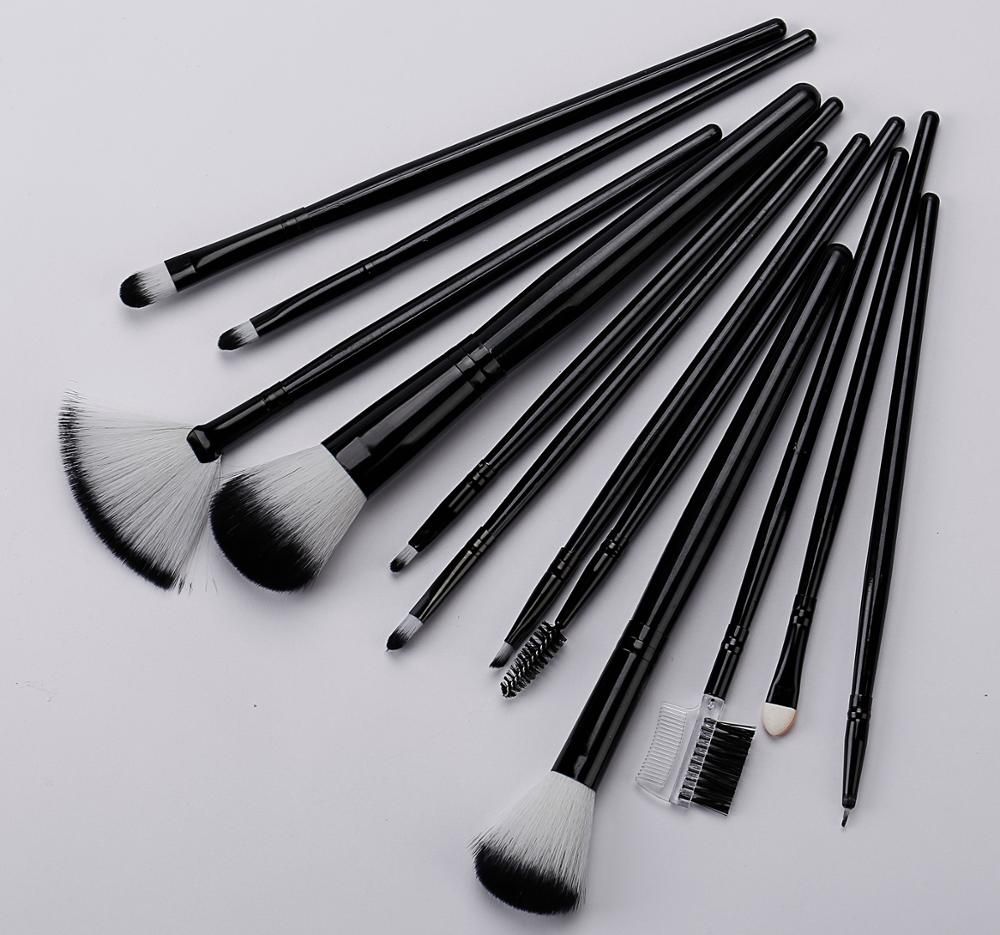
Market impact is already visible. Local beauty brands like Sariayu and Wardah have expressed interest in pilot collaborations, while international retailers are eyeing the technology as a way to meet EU plastic reduction mandates. For Indonesia, the innovation could reduce reliance on imported synthetic bristles, which currently account for 70% of its cosmetic brush raw material needs, boosting domestic manufacturing and export potential.
Challenges remain, however. Scaling production to meet global demand requires optimizing supply chains—from husk collection networks in rural Java to automated bristle成型 facilities. The startups are also working to fine-tune bristle consistency, ensuring batch-to-batch uniformity critical for mass-market adoption. Yet, with funding earmarked for R&D and factory upgrades, these hurdles appear surmountable.
As the beauty industry races toward sustainability, Indonesia’s coconut fiber bristle startups are positioning the country as a leader in green manufacturing. By merging local resources with cutting-edge processing, they’re proving that eco-friendly innovation doesn’t require sacrificing performance—and that agricultural waste can be the foundation of the next big beauty tech trend. For consumers and brands alike, this marks the dawn of a new era: where the tools we use to enhance beauty no longer harm the planet.