

Bristle Surface Texture: How It Enhances Lather Formation
Bristle Surface Texture: How It Enhances Lather Formation
For wet shaving enthusiasts and professionals alike, lather is more than just a step—it’s the foundation of a superior shaving experience. A rich, creamy lather cushions the skin, lifts whiskers, and reduces friction, turning a routine task into a moment of indulgence. But what transforms a dollop of shaving cream or soap into that perfect foam? While ingredients and technique matter, the unsung hero lies in the microscopic world of bristle surface texture.
The Science of Lather: More Than Just Bubbles
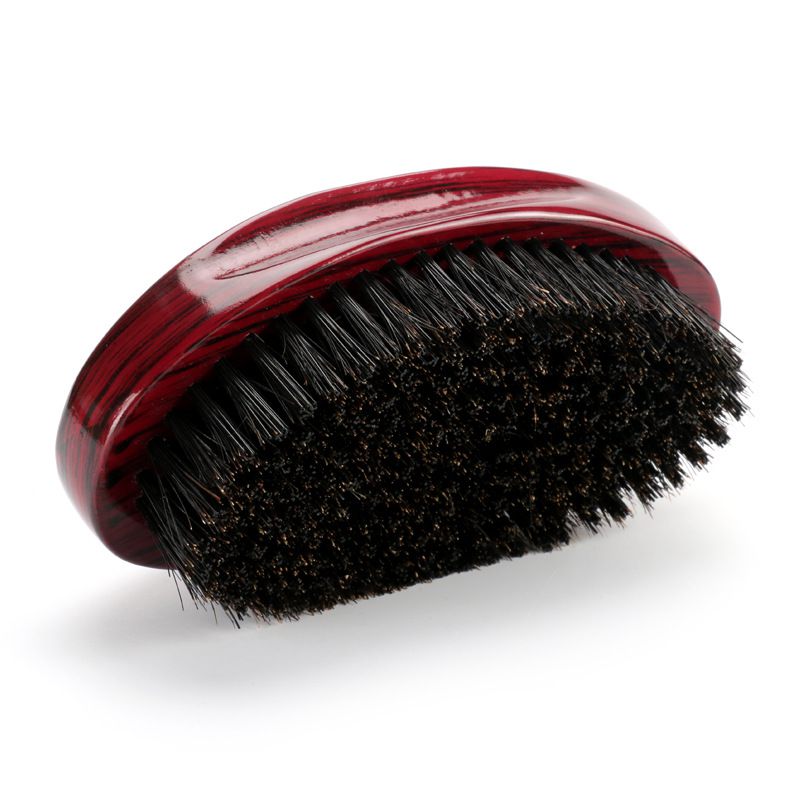
Lather formation is a delicate dance of air, water, and surfactants (the molecules in shaving products that reduce surface tension). To create lather, a shaving brush must efficiently trap air, distribute moisture evenly, and stabilize the resulting bubbles. Smooth, uniform bristles, while visually sleek, often fall short here—they lack the “grip” needed to optimize this process. Enter surface texture: the micro- and nano-scale features on bristle surfaces that act as tiny foam factories.
Defining Bristle Surface Texture: Microscopic Landscapes
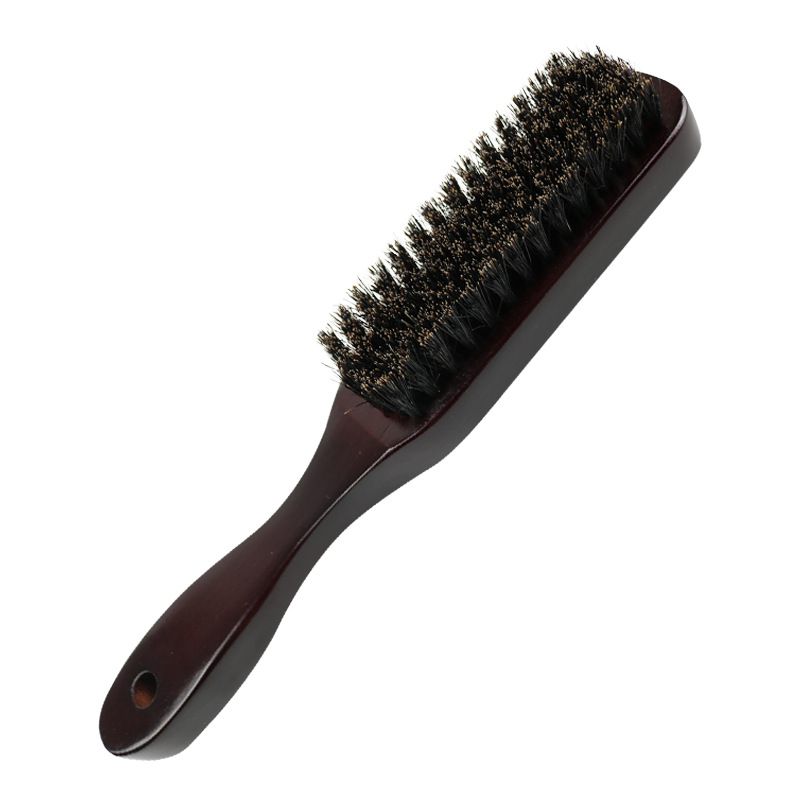
Surface texture refers to the irregularities on a bristle’s surface, visible only under high magnification. Think of it as a topographical map: valleys (grooves), peaks (ridges), and pores (tiny cavities) that vary by material, manufacturing, and design. For example, natural badger hair boasts overlapping scales—evolutionary adaptations that help retain moisture—while modern synthetic bristles (like premium nylon 612) feature engineered textures: etched grooves, porous coatings, or even 3D-printed microstructures.
How Texture Drives Lather Excellence
The magic of surface texture lies in three key mechanisms that amplify lather quality:
1. Maximizing Contact Area
A smooth bristle acts like a flat plate, offering minimal interaction with air and liquid. Textured bristles, by contrast, have exponentially more surface area. Micro-grooves and pores create “pockets” that hold water and shaving cream, ensuring every bristle strand is fully saturated. This increased contact area means more surfactant molecules are activated, kickstarting the foam-forming process faster.
2. Trapping Air: The Bubble Nucleus Effect
Lather thrives on air, and texture is a master at entraining it. As the brush moves across a soap puck or bowl, rough surfaces disrupt the flow of liquid, creating tiny vortices. These vortices suck in air, forming “bubble nuclei”—the building blocks of lather. Smooth bristles, lacking these disruptions, struggle to pull air into the mix, resulting in sparse, watery foam.
3. Stabilizing Bubbles for Longevity
A good lather doesn’t just form—it lasts. Textured surfaces reinforce bubble walls by reducing drainage. Micro-ridges and pores act like scaffolding, slowing the flow of liquid out of bubbles. This keeps lather thick and creamy throughout the shave, unlike smooth-bristle foam, which often collapses quickly as bubbles burst.
Natural vs. Synthetic: Texture by Design
Natural bristles, such as badger or boar hair, have inherent textures shaped by biology. Badger hair’s scales, for instance, create natural roughness that excels at lathering. However, sustainability concerns and ethical sourcing have driven innovation in synthetic alternatives. Today, manufacturers use precision engineering to replicate (and enhance) natural textures:
- Etching: Chemical or laser etching carves micro-grooves into synthetic bristles, mimicking the scale pattern of badger hair.
- Porosity Control: Foam-infused or hollow-core synthetic fibers add internal texture, boosting water retention without extra weight.
- Coating Technologies: Hydrophilic coatings with nano-pores increase liquid adsorption, making synthetic bristles lather as richly as natural hair.
The Future of Lather: Texture as a Design Language
As shaving becomes more personalized, bristle texture is emerging as a key customization tool. Brands now tailor textures to specific shaving creams (e.g., thick creams vs. lightweight gels) or skin types (e.g., sensitive skin requiring ultra-soft, low-friction lather). With advances in materials science, we may soon see AI-designed textures—optimized via computational models to match individual shaving habits.
In the end, bristle surface texture is the silent architect of great lather. It bridges material science and sensory experience, proving that even the tiniest grooves and ridges can transform a simple shave into a luxurious ritual. For manufacturers, prioritizing texture isn’t just about better foam—it’s about crafting tools that elevate everyday moments.


