

Plant-Based Bristle Reinforcement: Adding Hemp Fiber to PLA to Improve Tensile Strength
Plant-Based Bristle Reinforcement Adding Hemp Fiber to PLA for Enhanced Tensile Strength
In the beauty industry, the demand for sustainable materials is no longer a trend but a necessity. As consumers increasingly prioritize eco-friendly products, brands are racing to replace traditional plastic-based components—including brush bristles—with renewable alternatives. Among the most promising options is polylactic acid (PLA), a biodegradable polymer derived from plant starches like corn or sugarcane. However, while PLA offers excellent biodegradability, its low tensile strength has limited its use in applications requiring durability, such as cosmetic brush bristles. Enter hemp fiber: a natural, high-strength reinforcement that is transforming PLA into a viable, robust solution for plant-based bristles.
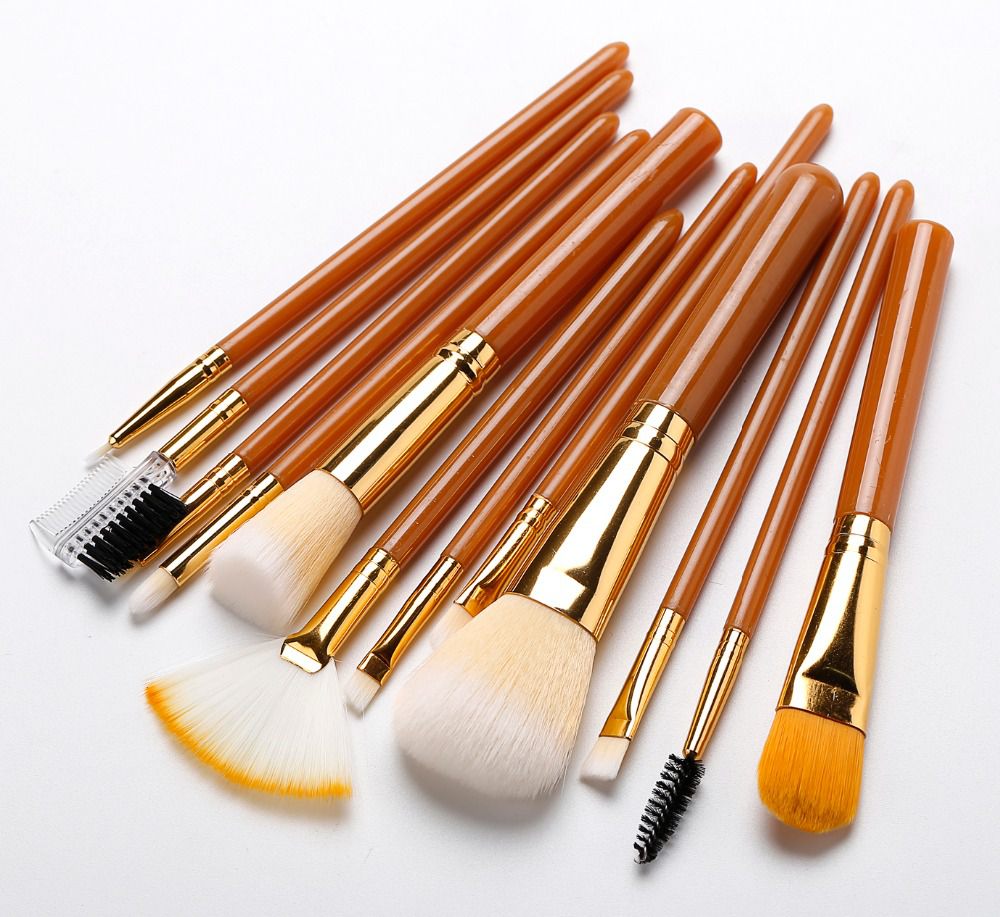
Traditional cosmetic brush bristles are often made from nylon or polyester, both petroleum-derived plastics that persist in landfills and oceans for centuries. In contrast, PLA breaks down into carbon dioxide and water within 6–24 months under industrial composting conditions, aligning with global efforts to reduce plastic waste. Yet, pure PLA lacks the mechanical resilience needed for bristles, which must withstand repeated use, bending, and cleaning without fraying or losing shape. Its tensile strength—typically around 40–60 MPa—falls short of the 70–90 MPa required for long-lasting cosmetic tools.
This is where hemp fiber emerges as a game-changer. Hemp, one of the oldest cultivated crops, boasts exceptional natural strength: its bast fibers (extracted from the plant’s stem) have a tensile strength of 500–900 MPa, comparable to glass fiber, and a high modulus of elasticity. Rich in cellulose (65–75%), hemp fibers also exhibit good compatibility with PLA, as both are hydrophilic, reducing the need for harsh chemical modifiers. When blended into PLA matrices, hemp fibers act as a structural reinforcement, distributing stress and preventing crack propagation—key to improving overall tensile performance.
Recent studies and industry trials highlight the effectiveness of this composite. By incorporating 15–25% hemp fiber by weight into PLA, manufacturers have achieved tensile strength improvements of 30–45%, with some formulations reaching 85–95 MPa—on par with conventional nylon bristles. Beyond strength, the hemp-PLA composite retains PLA’s biodegradability; accelerated composting tests show the material breaks down within 12–18 months, leaving no microplastic residues. This balance of durability and sustainability addresses a critical gap in plant-based bristle technology.
For cosmetic brush applications, the benefits extend beyond mechanics. Hemp fibers add subtle texture to the bristle surface, enhancing product pickup and distribution—qualities makeup artists value. The composite also maintains PLA’s inherent softness, avoiding the scratchiness sometimes associated with synthetic fibers. Brands adopting this material can market brushes as “100% plant-derived” and “ocean-safe,” appealing to eco-conscious consumers willing to pay premium prices for sustainable beauty tools.
The innovation also aligns with broader industry shifts. Major retailers and regulatory bodies are tightening restrictions on single-use plastics, while beauty giants are setting ambitious carbon-neutral goals. By integrating hemp-reinforced PLA bristles, manufacturers can reduce their reliance on fossil fuels, lower carbon footprints, and meet evolving ESG (Environmental, Social, Governance) standards.
As the push for sustainability accelerates, plant-based bristle reinforcement is poised to redefine the cosmetic tools market. By combining PLA’s biodegradability with hemp fiber’s strength, this technology not only solves the mechanical limitations of pure bioplastics but also offers a scalable, eco-friendly alternative to traditional bristles. For brands and manufacturers, embracing such innovations isn’t just about meeting demand—it’s about leading the charge toward a more sustainable beauty future.


