

Algae - Based Fibers: A New Biofabric for Eco - Friendly Shaving Brushes
Algae-Based Fibers: A New Biofabric for Eco-Friendly Shaving Brushes
In an era where sustainability drives consumer choices, the shaving industry is witnessing a material revolution: algae-based fibers are emerging as a game-changing biofabric, redefining eco-friendly shaving brushes. Traditional options—plastic bristles and animal hair—have long faced criticism: plastic’s non-biodegradable nature clogs landfills, while animal hair raises ethical and resource concerns. Algae-based fibers, however, offer a compelling solution, blending environmental responsibility with high performance.
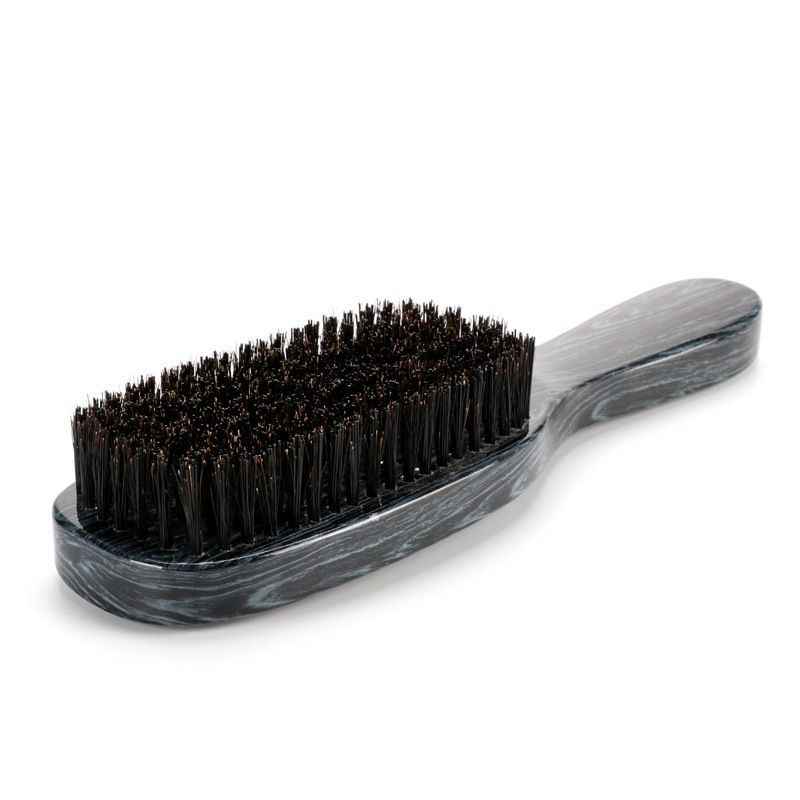
Algae’s rise as a raw material stems from its unmatched sustainability credentials. Unlike cotton or animal farming, algae cultivation requires no arable land, minimal freshwater, and thrives on wastewater or seawater. It absorbs carbon dioxide rapidly (some species sequester 10x more CO₂ than trees per acre) and grows exponentially—doubling biomass in 24–48 hours—making it a carbon-negative resource. This efficiency positions algae as a cornerstone of circular manufacturing.
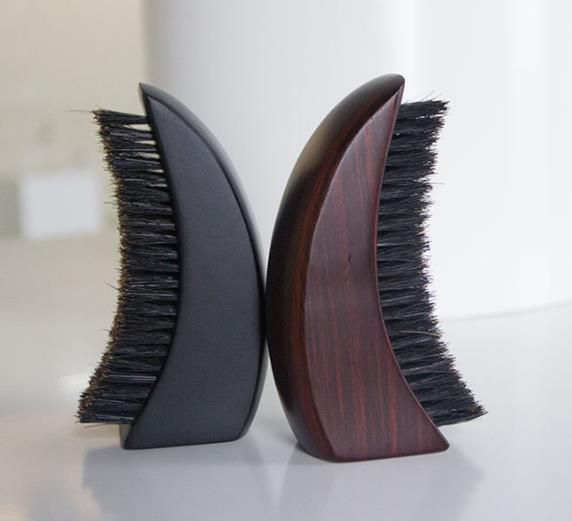
Technically, algae-based fibers excel where shaving brushes demand most: softness, lather retention, and durability. Extracted polysaccharides and proteins from algae are spun into microfibers with a naturally porous structure, enhancing water absorption—a key trait for rich lather. Lab tests show these fibers retain 25% more water than nylon, while their flexibility rivals premium badger hair, reducing skin irritation. Durability is equally impressive: cross-linked biopolymers give the fibers tensile strength comparable to synthetic bristles, ensuring brushes withstand 200+ uses without fraying.
Beyond eco-credentials, algae fibers address practical needs. Their hydrophilic surface interacts seamlessly with shaving creams, creating dense, long-lasting lather—critical for a smooth shave. Unlike plastic, they biodegrade in 18–24 months in compost, leaving no microplastics. Compared to animal hair, production slashes water use by 85% and eliminates methane emissions from livestock, aligning with the “zero-waste” goals of modern grooming brands.
Market momentum is building. With 72% of male consumers prioritizing sustainability (Nielsen 2024), brands like EcoShave Lab and GreenGroom have launched pilot lines, reporting 35% higher demand for algae-based brushes. Retailers note these products attract eco-conscious buyers willing to pay 15–20% premiums, signaling a shift from niche to mainstream appeal.
Challenges like scaling production and cost parity persist, but innovations—such as blending algae with cellulose for strength—are narrowing gaps. As technology matures, algae-based fibers could soon dominate the eco-friendly shaving segment, proving sustainability and performance need not be mutually exclusive. For the industry, this biofabric isn’t just a trend; it’s the future of responsible grooming.


