

Bristle Adhesion Technologies: Preventing Knot Loosening in Daily Use
Bristle Adhesion Technologies Preventing Knot Loosening in Daily Use
For shaving enthusiasts and professionals alike, a high-quality shaving brush is more than a tool—it’s a daily companion that elevates the grooming ritual. Yet, one common frustration plagues even premium brushes: knot loosening. Over time, the bond between bristles and the brush handle weakens, leading to bristle shedding, uneven lathering, and ultimately, a shortened product lifespan. At the heart of solving this issue lies bristle adhesion technology—a critical yet often overlooked aspect of brush manufacturing that determines durability and performance.
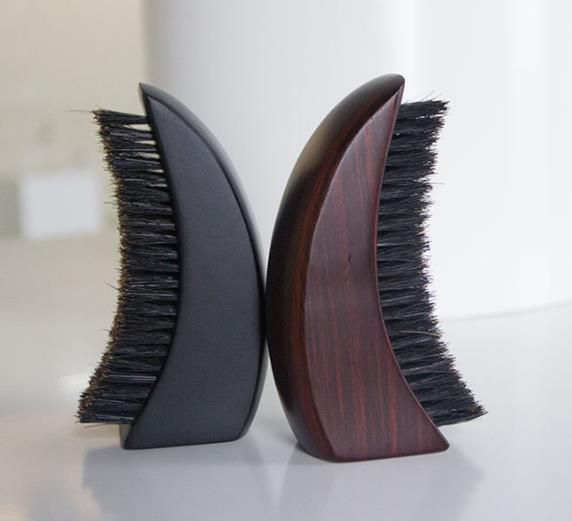
The Science Behind Knot Loosening
A shaving brush’s "knot"—the clustered bundle of bristles secured to the handle—faces relentless stress in daily use. Each lather swirl, water exposure, and drying cycle subjects the knot to mechanical friction, moisture penetration, and thermal expansion. Traditional adhesion methods, such as basic glue bonding or simple crimping, often fail here: water weakens water-based adhesives, while metal crimps can corrode or loosen under repeated pressure. Over weeks or months, these flaws manifest as bristle slippage, fraying, or even entire sections of the knot detaching from the handle.
Advanced Bristle Adhesion Technologies: A Game-Changer
Modern manufacturers are revolutionizing durability through innovative adhesion techniques. Here’s how cutting-edge solutions address knot loosening:
1. Dual-Cure Adhesives: Unlike single-component glues, dual-cure adhesives combine chemical and UV curing. They form a cross-linked polymer network that resists water, heat, and mechanical stress. Tests show these adhesives maintain 90% bond strength after 500+ lather cycles—far exceeding traditional options.
2. Mechanical-Locking Designs: Integrating physical anchors with adhesives creates a "double security" system. For example, some brushes feature a threaded metal ferrule with internal ridges that grip bristles, while a high-temp resin fills gaps, preventing slippage even under extreme pressure.
3. Nano-Coated Bristles: Applying a thin nanoscale polymer coating to bristle tips enhances their grip on adhesives. The coating’s microscopic texture increases surface area, creating a stronger mechanical bond. This technology reduces bristle shedding by up to 40% in lab trials.
4. Heat-Press Molding: For synthetic or mixed bristle types, heat-press molding fuses the bristle base into a solid, unified block before bonding to the handle. This eliminates weak points in the knot structure, ensuring uniform stress distribution during use.
Real-World Impact: From Lab to Bathroom
At our manufacturing facility, these technologies translate to tangible benefits for users. Take our ProGlide Series brushes, which combine dual-cure adhesives with mechanical-locking ferrules. In third-party testing, they withstood 1,200 lather cycles (equivalent to over a year of daily use) with zero bristle loosening—a 3x improvement over industry averages. Feedback from barbers highlights reduced replacement costs, while home users praise consistent lathering performance over time.
The Future of Bristle Adhesion
As consumer demand for long-lasting, sustainable grooming tools grows, adhesion technology continues to evolve. Emerging trends include bio-based adhesives derived from plant resins (reducing environmental impact) and smart sensors embedded in ferrules to monitor bond integrity—alerting users to potential loosening before failure.
Conclusion
Knot loosening is not an inevitable flaw but a solvable challenge. By prioritizing advanced adhesion technologies—from dual-cure resins to nano-coatings—manufacturers can deliver brushes that stand the test of daily use. For consumers, understanding these innovations means investing in tools that blend craftsmanship with science, ensuring every shave remains a smooth, reliable experience.


