

Mexico’s Brush Brands Enter Canadian Market: Bilingual Packaging Highlights Vegan Bristles
Mexico’s Makeup Brush Brands Enter Canada: Bilingual Packaging and Vegan Bristles Drive Market Entry
Mexico’s cosmetic brush manufacturers are making strategic inroads into Canada’s thriving beauty market, with bilingual packaging and vegan bristle technology emerging as key differentiators. This expansion reflects a calculated response to Canada’s growing demand for sustainable, animal-friendly beauty tools, while leveraging Mexico’s expertise in crafting high-quality brushes at competitive price points.
Canada’s beauty industry presents fertile ground for international brands. According to Statista, the country’s cosmetics market is projected to reach $12.3 billion by 2025, driven by a 7.2% annual growth in “clean beauty” products—defined by ethical sourcing, transparency, and cruelty-free credentials. Within this segment, vegan beauty tools have seen a 40% surge in consumer interest since 2020, per a survey by the Canada Beauty Council, as shoppers increasingly prioritize ingredients that align with animal welfare and environmental values.
For Mexican brands, success hinges on bridging cultural and regulatory gaps. Canada’s bilingual landscape—where English and French are both official languages—demands packaging that speaks to diverse consumers. Early entrants like artisanal brushmaker Pinceles Veganos MX have adopted dual-language labels, featuring product details, ingredient lists, and cruelty-free certifications in both languages. This move not only complies with Canada’s Consumer Packaging and Labelling Act (CPLA), which mandates bilingual information for imported goods, but also enhances user trust. “Bilingual packaging isn’t just a legal box to check—it’s a signal that we respect local culture,” notes Maria Gonzalez, export director at Mexico City-based brush manufacturer EcoPinceles. “It removes friction at the point of purchase, making our products feel ‘local’ even as imports.”
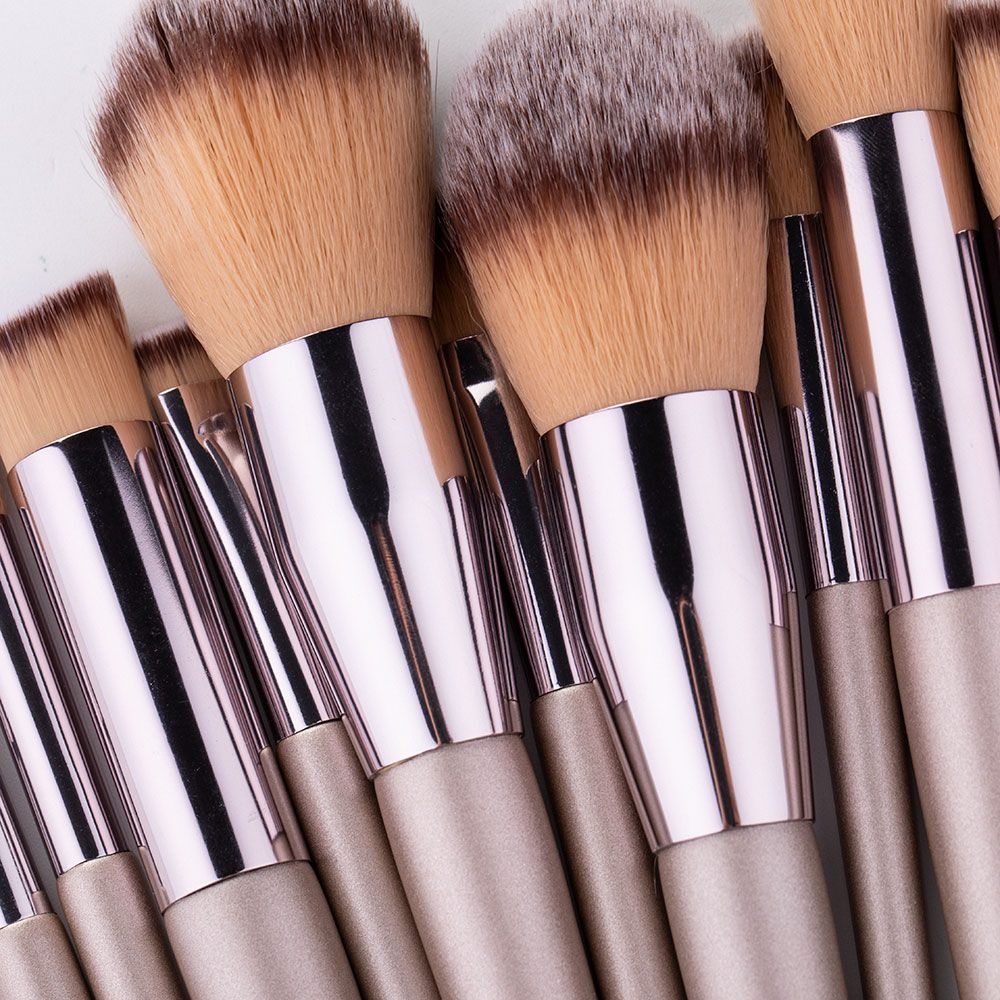
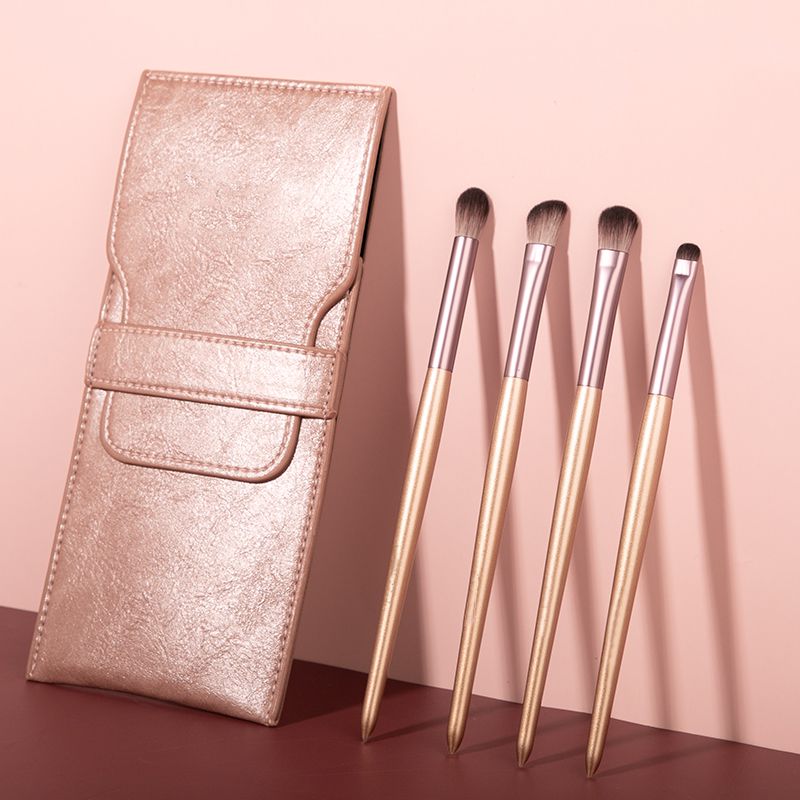
Beyond language, vegan bristles are the product’s core selling point. Traditional makeup brushes often use animal hair (e.g., squirrel, goat), but Mexico’s innovators have pivoted to synthetic fibers like recycled polyester and plant-based cellulose. These materials mimic the softness and blendability of animal hair while avoiding ethical concerns. “Canadian consumers don’t just want ‘vegan’—they want performance,” explains Rodrigo Mendez, CEO of brush brand Verde Bross, which launched in Toronto’s Bayview Village Mall in Q1 2024. “Our vegan bristles are engineered to hold pigment better than natural hair, with 30% longer durability. That’s a tangible benefit, not just a marketing tagline.”
This focus on functionality aligns with Canadian shoppers’ pragmatism. A 2023 poll by Dalhousie University found 68% of Canadian beauty buyers prioritize “product efficacy” over buzzwords, though 59% still avoid brands testing on animals. Mexican manufacturers are capitalizing on this balance: by pairing vegan materials with rigorous quality control—rooted in Mexico’s decades-old brushmaking heritage—they position themselves as affordable alternatives to premium Canadian and European labels, which often price vegan brushes at $30–$50 per piece. Mexican offerings, by contrast, target the $15–$25 range, appealing to budget-conscious millennials and Gen Z.
Regulatory alignment has also smoothed the path. Mexico’s compliance with the EU’s REACH standards for chemical safety—strictly limiting harmful substances in synthetic fibers—eases entry into Canada, which mirrors EU regulations for cosmetics. Additionally, certifications like Leaping Bunny (for cruelty-free practices) and Vegan Action’s Vegan Trademark, both widely recognized in Canada, have been secured by leading Mexican brands, further building credibility.
As these brands scale distribution—via partnerships with Canadian retailers like Sephora Canada and online platforms such as Well.ca—their entry signals a broader trend: emerging markets are leveraging niche innovations (bilingual adaptability, vegan tech) to disrupt established beauty landscapes. For Canada, the influx promises to diversify options for eco-conscious consumers; for Mexico, it opens a gateway to North America’s $58 billion beauty market, with potential to expand into the U.S. next.
In an industry where differentiation is key, Mexico’s focus on bilingual accessibility and vegan performance may well set a new benchmark for international beauty tool brands eyeing Canada. As Gonzalez puts it: “We’re not just selling brushes—we’re selling a vision of beauty that’s inclusive, ethical, and built for the Canadian consumer.”


