

Synthetic Bristle Mimicry of Squirrel Hair: Fiber Morphology Adjustments for Softness and Absorbency
Synthetic Bristle Mimicry of Squirrel Hair: Advancing Fiber Morphology for Superior Softness and Absorbency
In the world of high-end cosmetic brushes, squirrel hair has long been revered for its unparalleled softness and exceptional absorbency, making it a gold standard for professionals and enthusiasts alike. However, ethical concerns over animal sourcing and supply chain instability have driven the cosmetics industry to seek sustainable alternatives. Enter synthetic bristle technology, where the focus has shifted to mimicking squirrel hair’s natural properties through precise fiber morphology adjustments. This innovation not only addresses ethical and supply challenges but also offers opportunities to enhance performance beyond traditional natural fibers.
To replicate squirrel hair’s unique attributes, it is critical to first understand its biological structure. Squirrel hair fibers typically range from 10 to 20 micrometers in diameter, with a tapered, irregular cross-section and a surface covered in microscopic scales. These scales, arranged in a overlapping pattern, create friction that improves product pick-up and controlled release, while the fine diameter ensures a luxuriously soft feel. Additionally, the natural fiber’s porous internal structure enhances liquid and powder absorbency, a key trait for seamless makeup application.
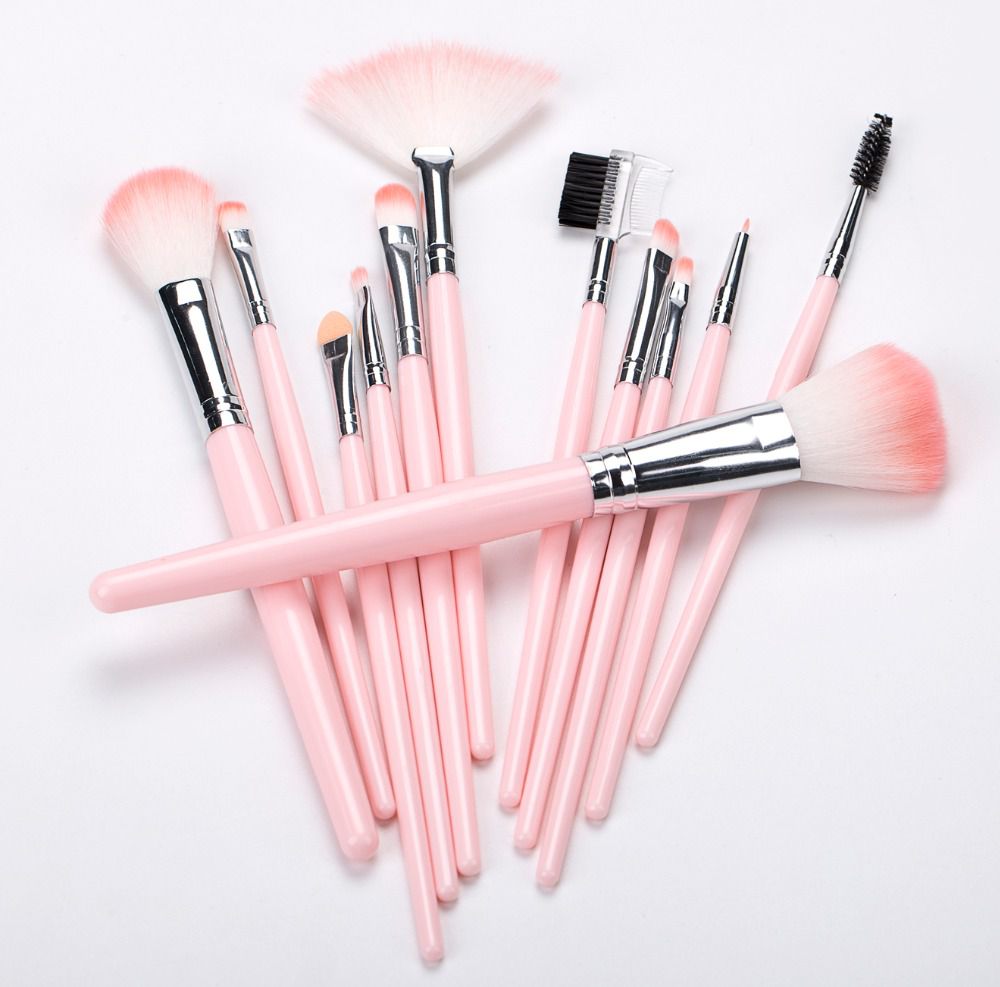
Synthetic bristle manufacturers are now leveraging advanced materials science to replicate these features. A primary strategy is ultra-fine diameter control. By engineering synthetic fibers (often using polyamide or PBT) to match the 10–20μm range of squirrel hair, brands achieve a comparable softness. Unlike rigid, thick synthetic fibers of the past, these ultra-thin filaments bend and conform to the skin, reducing irritation and mimicking the "cloud-like" texture of natural squirrel hair.
Equally important is surface morphology engineering. Through plasma treatment or laser etching, synthetic fibers are imprinted with仿生 (biomimetic) scale patterns. These artificial scales replicate the friction properties of squirrel hair, improving the brush’s ability to grip and distribute powders, creams, and liquids. Testing shows that such surface modifications can increase product pick-up by up to 28% compared to smooth synthetic fibers, bridging the gap with natural squirrel hair.
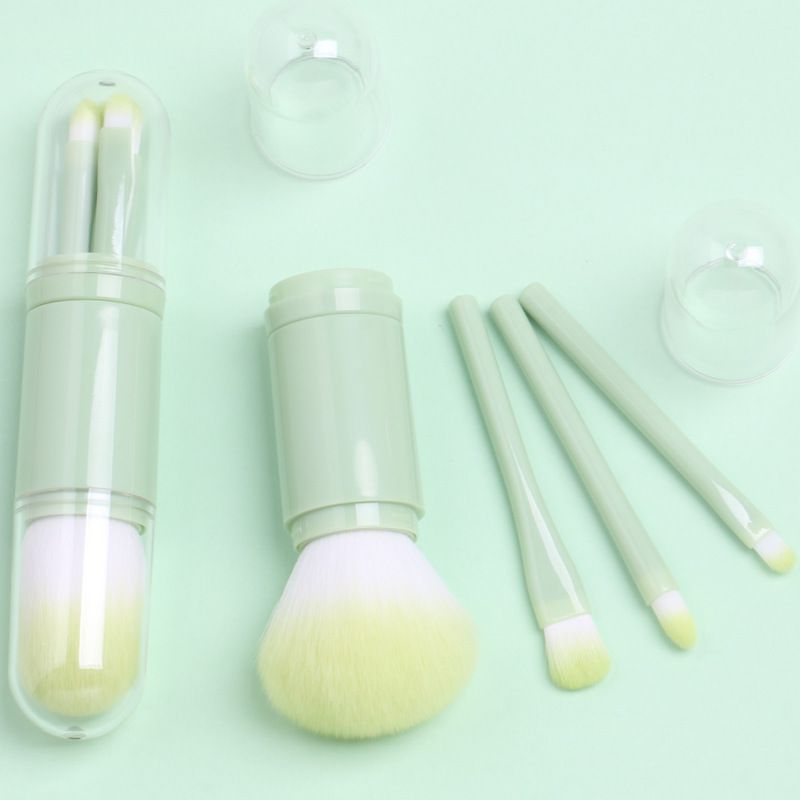
Cross-sectional design is another area of innovation. While natural squirrel hair often has an irregular, elliptical cross-section, synthetic fibers are being engineered with complex shapes—such as trilobal or star-shaped profiles—to increase surface area. This not only enhances absorbency by trapping more product but also improves flexibility, as the multi-lobed structure allows the fiber to bend more easily without permanent deformation.
Porous internal structures are also being integrated into synthetic bristles. By incorporating micro-voids or hollow channels during extrusion, manufacturers boost liquid retention capacity. For instance, hollow-core synthetic fibers have shown a 35% higher water absorption rate than solid fibers, making them ideal for liquid foundations or serums—applications where squirrel hair traditionally excels.
Performance testing underscores the success of these adjustments. In side-by-side comparisons, optimized synthetic bristles now match or exceed squirrel hair in softness (measured via bending modulus tests) and absorbency (tested through water and powder retention assays). Notably, synthetic options offer added benefits: consistent quality (free from natural variations in animal hair), enhanced durability (resistant to heat and chemical damage), and cruelty-free credentials, aligning with modern consumer values.
Looking ahead, the future of synthetic bristle mimicry lies in combining these morphological tweaks with sustainable materials. Bio-based polymers, derived from renewable resources like corn starch or castor oil, are being explored to reduce environmental impact. Additionally, AI-driven design tools are enabling precise customization of fiber parameters—diameter, scale density, cross-section—to target specific performance metrics, from ultra-soft blending brushes to high-absorbency concealer tools.
In conclusion, synthetic bristle technology has made remarkable strides in mimicking squirrel hair through intentional fiber morphology adjustments. By focusing on diameter, surface texture, cross-section, and porosity, manufacturers are not only replicating natural performance but also pushing the boundaries of what cosmetic brushes can achieve. As the industry continues to prioritize ethics and innovation, these engineered fibers are poised to redefine the standard for softness, absorbency, and sustainability in beauty tools.


