

Shaving Brush Sustainability Reports: Brands Publishing Environmental Data
Shaving Brush Sustainability Reports: How Brands Are Transparent with Environmental Data
In the evolving landscape of personal care, sustainability has shifted from a niche concern to a core consumer demand. Nowhere is this more evident than in the shaving brush industry, where brands are increasingly publishing sustainability reports to detail their environmental impact—from material sourcing to production and beyond. These reports are not just PR tools; they’re a response to a generation of consumers who prioritize eco-conscious choices, demanding transparency before making a purchase.
Shaving brushes, long cherished for their role in elevating the grooming ritual, have historically relied on materials with mixed environmental footprints. Traditional plastic handles and synthetic bristles, while durable, contribute to long-term waste, while even natural materials like boar hair or exotic woods have raised questions about ethical sourcing. Today, leading brands are addressing these concerns head-on by quantifying their environmental efforts in public reports.

So, what exactly do these sustainability reports include? Key metrics often focus on three pillars: materials, production, and end-of-life. For materials, brands are highlighting shifts to renewable or biodegradable options. For example, some now use FSC-certified wood for handles, ensuring forests are managed responsibly, or plant-based bristle alternatives like sisal or bamboo fibers, which decompose faster than synthetic nylon. Reports may specify the percentage of materials sourced locally to reduce transportation emissions or the use of post-consumer recycled (PCR) plastics for packaging.
Production processes are another focal point. Brands are disclosing energy usage—whether factories run on solar or wind power—and water consumption, including efforts to recycle wastewater. Some reports even break down carbon footprints per product, from raw material extraction to shipping, allowing consumers to compare the environmental cost of different brushes.
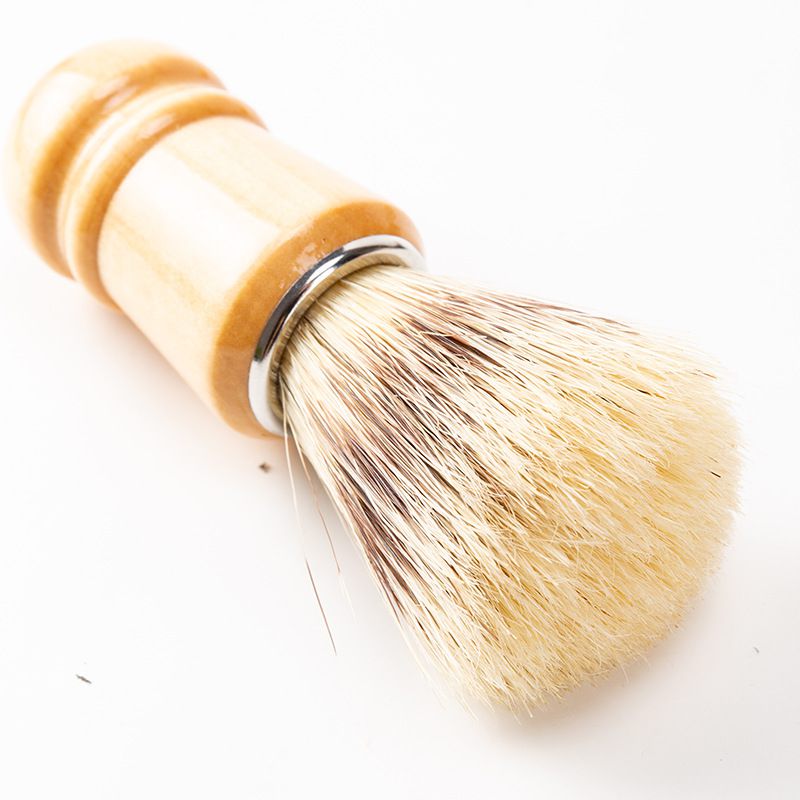
End-of-life considerations are equally critical. A sustainable shaving brush shouldn’t end up in a landfill. Reports now outline take-back programs, where brands recycle old brushes, or design products for disassembly, making it easier to separate handles (which can be repurposed) from bristles (which may be compostable).
Why are brands investing in these reports? The answer lies in trust. A 2023 survey by Nielsen found that 78% of global consumers are more likely to buy from brands with transparent sustainability practices. For shaving brush brands, which often target discerning, quality-focused customers, this transparency builds loyalty. It also helps differentiate them in a crowded market—where a “green” label alone isn’t enough; consumers want data to back it up.
Take, for instance, a mid-sized brand that recently released its first sustainability report. It revealed that 65% of its brush handles are made from reclaimed oak, reducing deforestation by 30% year-over-year, and that its bristle production uses 40% less water than industry averages. Such specifics resonate more than vague claims like “eco-friendly.”
Challenges remain, of course. Measuring sustainability is complex—carbon accounting, for example, requires tracking emissions across global supply chains, which can be costly for smaller brands. There’s also the risk of “greenwashing,” where reports cherry-pick positive data while downplaying flaws. To combat this, third-party certifications (like B Corp or ISO 14001) are becoming standard, adding credibility to the numbers.
Looking ahead, the trend toward transparency is only accelerating. As regulations around environmental reporting tighten—with the EU’s Corporate Sustainability Reporting Directive (CSRD) already mandating disclosures for large companies—even smaller shaving brush brands will need to follow suit. Innovations like blockchain for supply chain tracking could further enhance transparency, letting consumers trace a brush’s journey from tree to bathroom shelf.
In the end, sustainability reports are more than documents—they’re a commitment to progress. For the shaving brush industry, they signal a shift from tradition to responsibility, proving that even the most timeless grooming tools can evolve to meet the demands of a planet-conscious world.


