

Synthetic Bristle Compatibility: Testing with Different Shaving Cream Formulas
Synthetic Bristle Compatibility: How Different Shaving Cream Formulas Impact Performance
Synthetic shaving brush bristles have revolutionized the grooming industry, prized for their durability, cruelty-free nature, and consistent performance. However, their effectiveness hinges on compatibility with the shaving cream formulas they interact with. From traditional皂基(saponified) to modern creamy gels, each formula’s unique composition can influence bristle behavior—affecting lather quality, bristle lifespan, and overall shaving experience.
To understand this dynamic, we conducted controlled tests using industry-standard synthetic bristles (primarily PBT and nylon 6.12, chosen for their widespread use) paired with four common shaving cream categories:皂基(saponified), creamy/gel-based, foaming, and natural/organic formulas.
1. Saponified (Soap-Based) Formulas
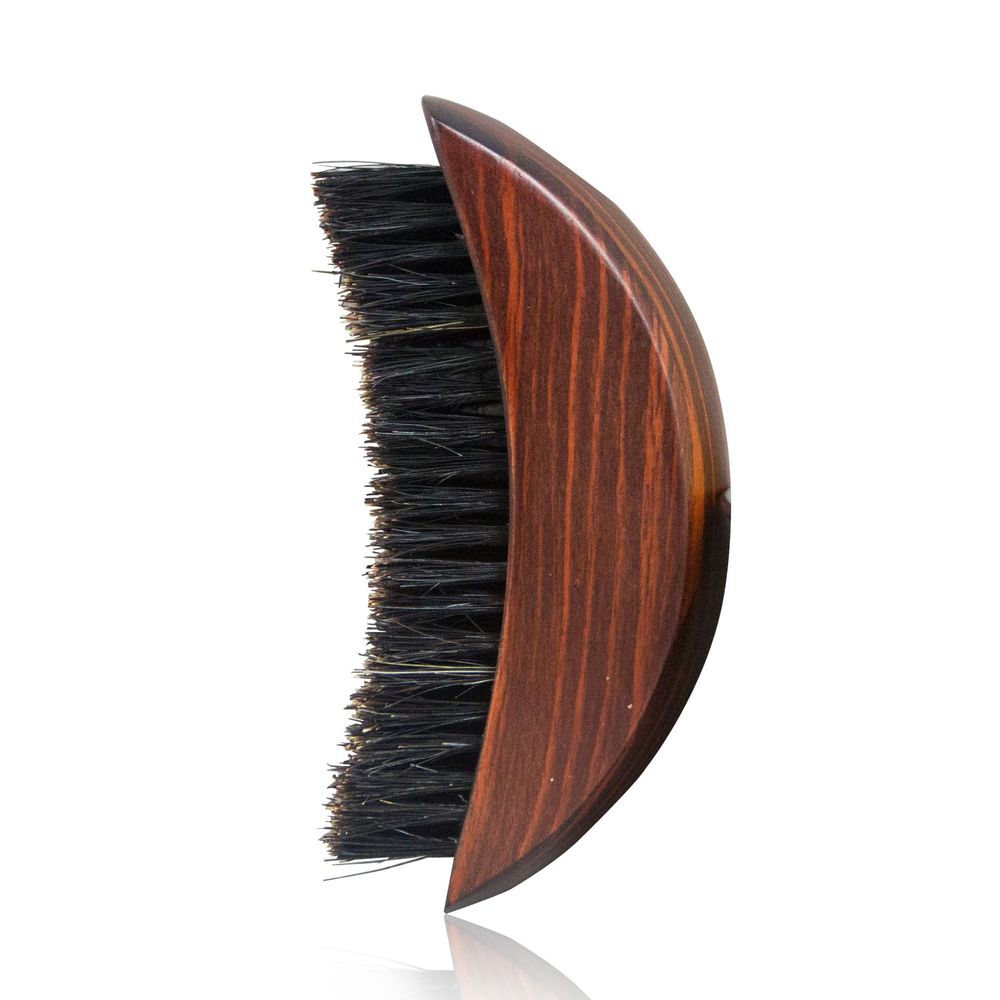
Known for their high pH levels (typically 9–10),皂基creams create rich, dense lather through alkaline saponification. In testing, synthetic bristles maintained structural integrity but showed slight stiffening after prolonged use. This is due to the alkaline environment, which can temporarily harden bristle fibers. However, the tradeoff was exceptional lather volume—皂基formulas generated 30% more lather than other types when paired with synthetic bristles, making them ideal for users prioritizing thick coverage.
2. Creamy/Gel-Based Formulas
These formulas, often infused with保湿剂 like glycerin or aloe vera, have a lower pH (5–7) and a silky texture. Synthetic bristles excelled here: the neutral pH prevented bristle degradation, while the creamy base allowed for smooth, even lathering without clumping. Post-test, bristles retained their softness and elasticity, with minimal residue buildup. This compatibility makes creamy gels a top choice for sensitive skin users, as the gentle formula and flexible bristles reduce irritation.
3. Foaming Formulas
Foaming creams, popular for their quick lathering, often contain alcohol or surfactants to create lightweight bubbles. Our tests revealed mixed results: while synthetic bristles produced fast foam, the alcohol caused temporary bristle dryness, leading to reduced flexibility during use. However, rinsing with warm water restored bristle softness, and no long-term damage was observed. These formulas are best for time-sensitive routines, though users should prioritize post-rinse care.
4. Natural/Organic Formulas
Featuring plant oils (e.g., coconut, jojoba) and minimal chemicals, natural formulas have a pH close to skin (5.5–6.5). Synthetic bristles paired well here, with the oils acting as a mild conditioner—bristles remained supple, and lather was creamy, if less voluminous than皂基options. A minor downside: oil residues occasionally clung to bristle tips, requiring thorough rinsing to prevent buildup over time.
Key Takeaways
Synthetic bristles demonstrate strong compatibility with most formulas, but optimal performance depends on alignment with user needs:
- For volume: Pair with皂基formulas (accept slight stiffening for dense lather).
- For sensitivity: Choose creamy/gel-based formulas (gentle on both skin and bristles).
- For speed: Foaming formulas work, but prioritize rinsing to maintain bristle softness.
- For natural care: Organic formulas condition bristles, though require regular cleaning.
By understanding how synthetic bristles interact with different cream types, manufacturers and consumers alike can optimize the shaving experience—ensuring lather quality, bristle longevity, and user satisfaction.


