

Sephora’s "Clean Beauty" Section: Brush Brands Highlight BPA-Free Bristle Coatings
Sephora’s Clean Beauty Section Drives Demand for BPA-Free Bristle Coatings in Makeup Brushes
Sephora’s “Clean Beauty” section has emerged as a pivotal force reshaping consumer expectations in the beauty industry, with a growing focus on transparency and safety extending beyond skincare and cosmetics to tools like makeup brushes. Among the key trends gaining traction is the adoption of BPA-free bristle coatings, a shift driven by both regulatory pressures and evolving consumer priorities for non-toxic beauty solutions.
Bisphenol A (BPA), a chemical traditionally used in some plastic coatings for synthetic brush bristles, has long raised health concerns due to its potential to disrupt hormonal balance. While BPA is more commonly associated with food packaging, its presence in cosmetic tools—where bristles may come into prolonged contact with skin—has sparked scrutiny. Sephora’s Clean Beauty standards, which prohibit ingredients linked to harmful health effects, have accelerated the push for alternatives, prompting brush brands to reevaluate their manufacturing processes.
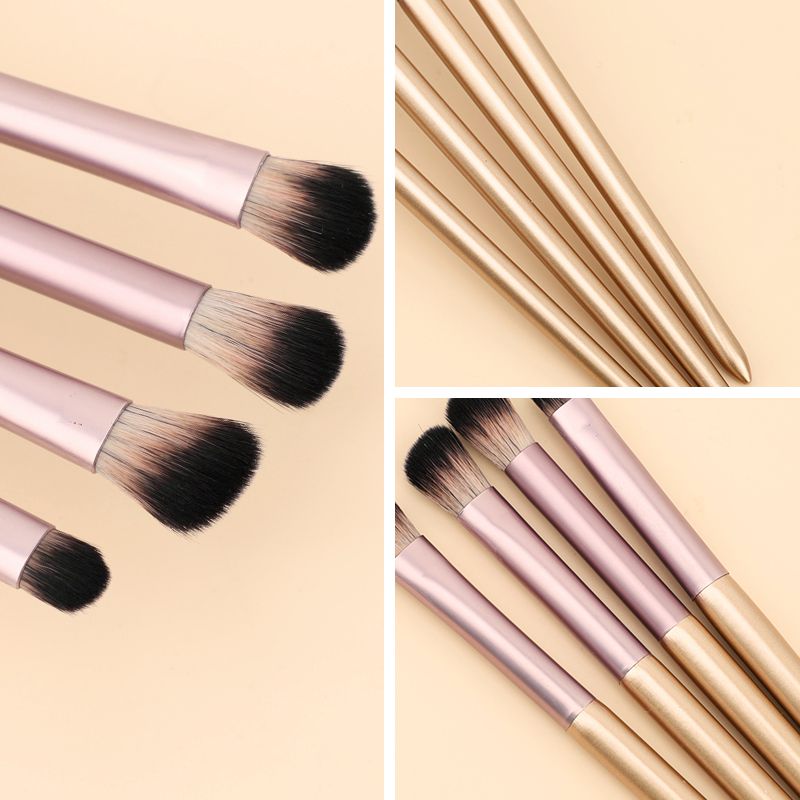
Leading brands within Sephora’s Clean Beauty lineup are now highlighting BPA-free coatings as a selling point. For instance, brands like Real Techniques and EcoTools have updated their synthetic bristle formulas, replacing BPA-based coatings with safer alternatives such as polyethylene (PE) or plant-derived polymers. These materials not only eliminate BPA exposure but also maintain key performance metrics: softness, durability, and powder-grabbing efficiency. “Consumers no longer want to compromise between safety and functionality,” notes a product developer at a major brush manufacturer. “BPA-free coatings allow us to deliver both.”
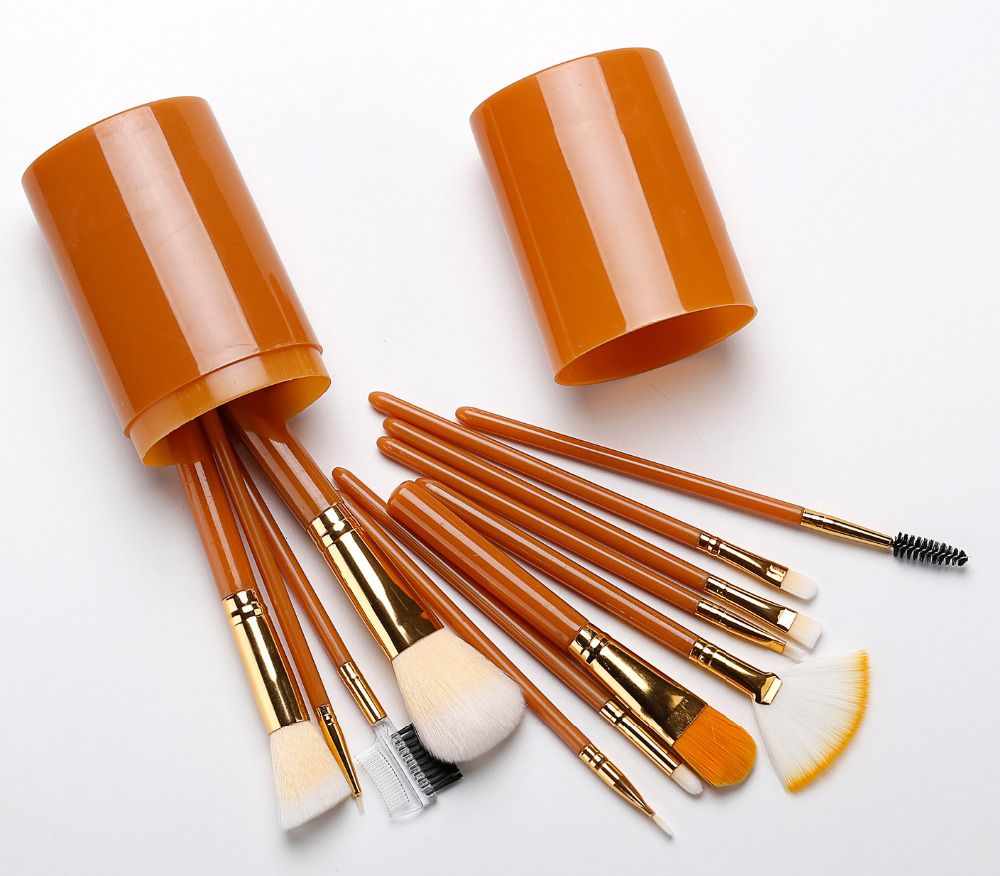
The technical shift involves more than just material substitution. Manufacturers are investing in advanced coating technologies, such as nanoscale application methods, to ensure the new coatings adhere evenly to bristles without compromising texture. This precision is critical—uneven coatings can lead to bristle shedding or reduced product pickup, issues that could undermine consumer trust. Some brands are also exploring biodegradable options, aligning with the broader clean beauty ethos of sustainability.
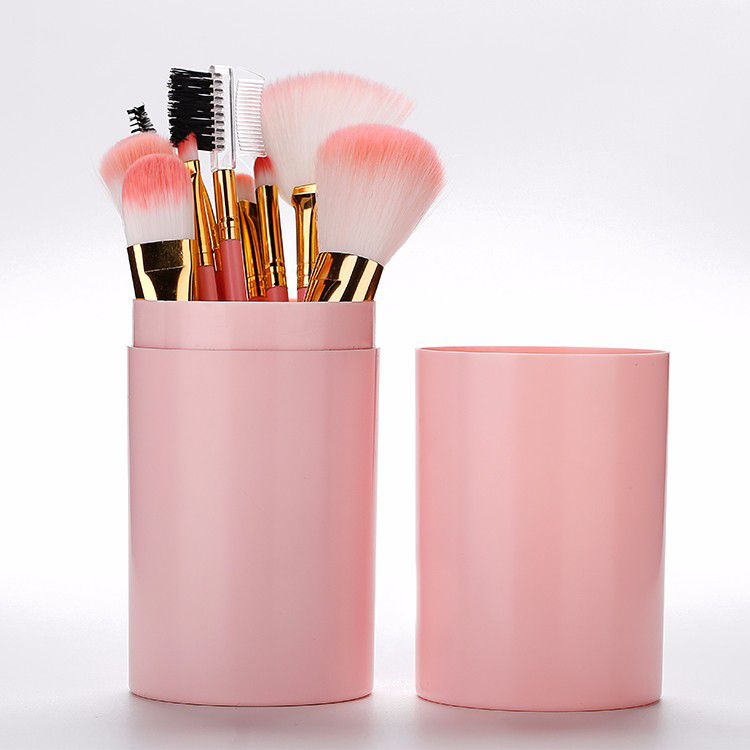
Consumer demand is a primary driver of this change. A 2023 survey by the Clean Beauty Institute found that 78% of beauty shoppers prioritize “non-toxic” claims when purchasing tools, up from 62% in 2020. Sephora’s platform amplifies this demand by curating brands that meet strict ingredient and safety criteria, effectively setting a new industry benchmark. “Sephora’s Clean Beauty section acts as a filter,” explains a beauty retail analyst. “Brands that don’t adapt risk being left out of a high-growth market segment.”
Looking ahead, the BPA-free bristle trend is likely to expand beyond Sephora. As regulatory bodies like the EU’s Cosmetics Regulation tighten restrictions on harmful chemicals, and consumers become more educated about ingredient lists, even mass-market brands may adopt similar standards. For manufacturers, this shift represents an opportunity to innovate—whether through developing new bioplastics or refining coating techniques to enhance both safety and performance.
In essence, Sephora’s Clean Beauty section is not just a marketing category but a catalyst for meaningful change in beauty tool manufacturing. By prioritizing BPA-free bristle coatings, brands are not only meeting consumer demands but also contributing to a safer, more sustainable beauty ecosystem—one brush stroke at a time.


