

India’s Brush Exports to Southeast Asia Grow: Affordable Synthetic Bristles Compete with Chinese Products
India’s Brush Exports to Southeast Asia Grow: Affordable Synthetic Bristles Compete with Chinese Products
In recent years, India’s brush exports to Southeast Asia have witnessed a notable upswing, with affordable synthetic bristles emerging as a key driver in challenging China’s long-standing dominance in the region. According to trade data from India’s Ministry of Commerce, brush exports to Southeast Asia rose by 22% year-on-year in 2023, reaching $142 million, with synthetic bristle-based products accounting for over 65% of this growth. This surge reflects a strategic shift in India’s manufacturing focus and a growing demand for cost-effective, quality brush solutions in Southeast Asia’s expanding markets.
Synthetic bristles, made from materials like nylon, PBT (polybutylene terephthalate), and polyester, have become India’s competitive edge. Unlike natural bristles, which are pricier and dependent on agricultural supply chains, synthetic variants offer consistent quality, durability, and versatility—qualities highly valued in sectors such as cosmetics, household cleaning, and industrial painting. Indian manufacturers have invested in advanced extrusion and texturing technologies, enabling them to produce synthetic bristles that mimic the softness of natural hair at a fraction of the cost. For instance, a standard set of synthetic bristle makeup brushes from India is priced 15-20% lower than comparable Chinese products, making them attractive to budget-conscious Southeast Asian consumers and small-to-medium enterprises (SMEs).
Southeast Asia’s growing demand for such products is fueled by two key trends. First, the region’s cosmetics industry is booming, with countries like Indonesia, Thailand, and Vietnam seeing double-digit growth in beauty product sales. As local consumers seek affordable yet high-quality makeup tools, Indian synthetic bristle brushes—offering smooth application and easy maintenance—have filled a critical market gap. Second, post-pandemic hygiene awareness has boosted demand for disposable and durable cleaning brushes, where synthetic bristles’ resistance to water and chemicals makes them ideal.
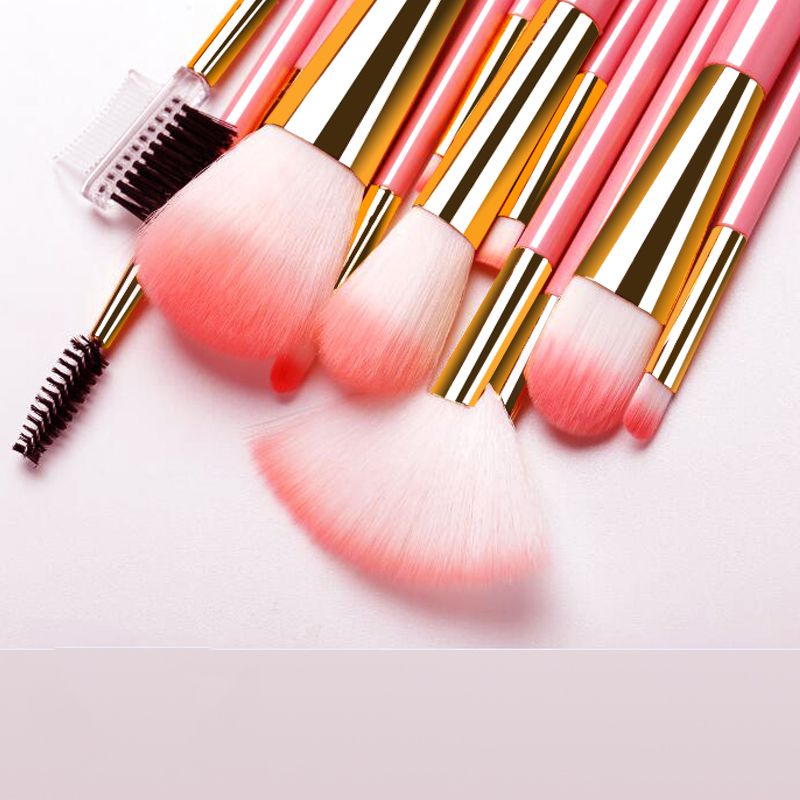
China, long the dominant player in Southeast Asia’s brush market, has traditionally focused on high-volume, low-margin production. However, rising labor and raw material costs in China have eroded its price advantage. Indian manufacturers, leveraging lower operational costs and proximity to Southeast Asia (reducing shipping times and logistics expenses), have capitalized on this shift. For example, exports to Indonesia—Southeast Asia’s largest brush market—grew by 30% in 2023, with Indian suppliers securing contracts with major local retailers and e-commerce platforms like Shopee and Lazada.
Yet, challenges remain. Chinese competitors are responding by diversifying into mid-range synthetic bristle products, while some Southeast Asian countries have imposed non-tariff barriers, such as stricter quality certifications. To sustain growth, Indian manufacturers must prioritize innovation—developing eco-friendly synthetic bristles (e.g., biodegradable polymers) and customizing products for regional preferences, such as softer bristles for sensitive skin in Thailand or antimicrobial coatings for cleaning brushes in Singapore.
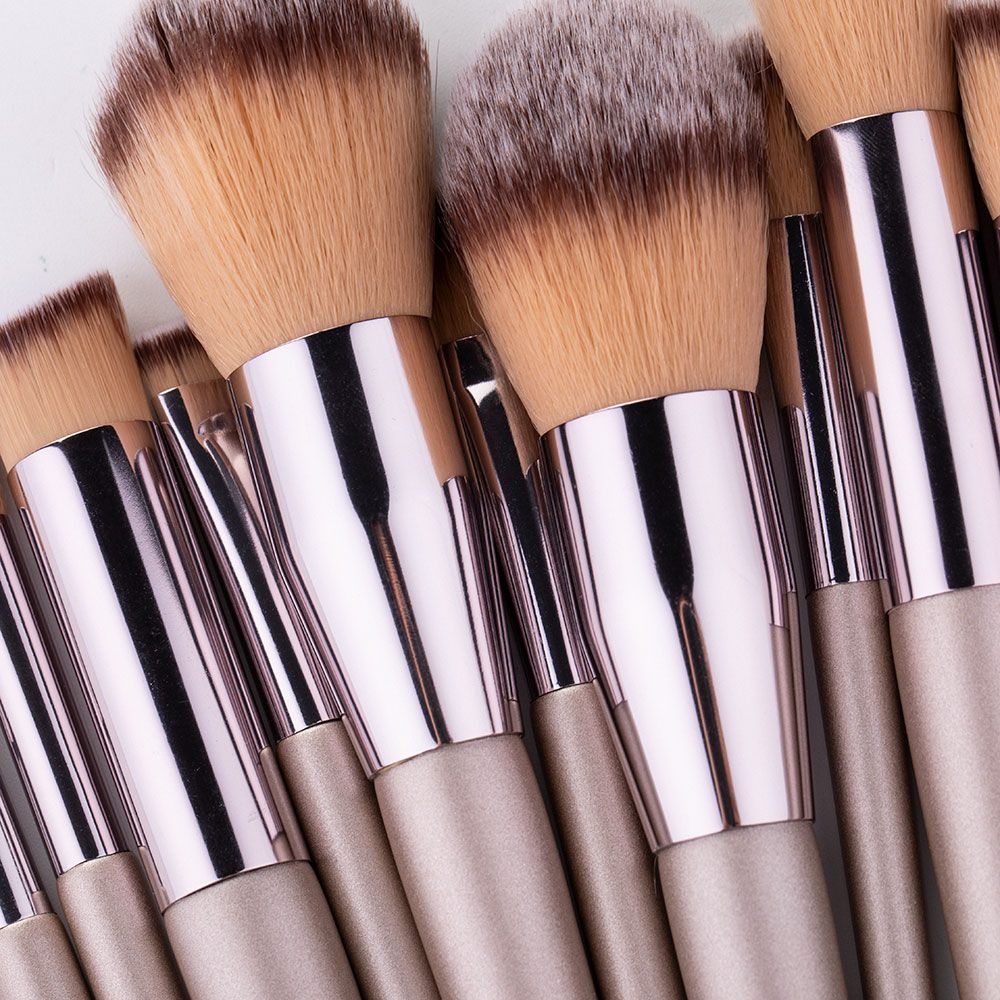
Looking ahead, India’s brush exports to Southeast Asia are poised to grow further. With the ASEAN-India Free Trade Area reducing tariffs on manufactured goods and India’s “Make in India” initiative supporting small-scale producers, the stage is set for synthetic bristles to become a cornerstone of India’s trade with the region. As affordability meets quality, India is not just competing with China—it is redefining the dynamics of Southeast Asia’s brush market.


