

Lush’s "Bristle Innovation Lab": Develops New Sustainable Materials for Future Brush Lines
Lush’s Bristle Innovation Lab Pioneers Sustainable Materials for Next-Gen Makeup Brushes
In an era where sustainability has become a non-negotiable in the beauty industry, Lush, the trailblazing cosmetics brand, has taken a bold step forward with the launch of its "Bristle Innovation Lab." This dedicated research hub is on a mission to reimagine the future of makeup brushes by developing cutting-edge sustainable materials, signaling a paradigm shift away from traditional, environmentally taxing options like virgin nylon.
The beauty sector has long grappled with the ecological footprint of cosmetic tools, particularly brush bristles. Conventional synthetic fibers, derived from petroleum-based plastics, can take centuries to decompose, contributing to landfill waste and microplastic pollution. Lush’s Bristle Innovation Lab aims to disrupt this cycle by prioritizing materials that align with the brand’s core values of ethical sourcing and circularity.
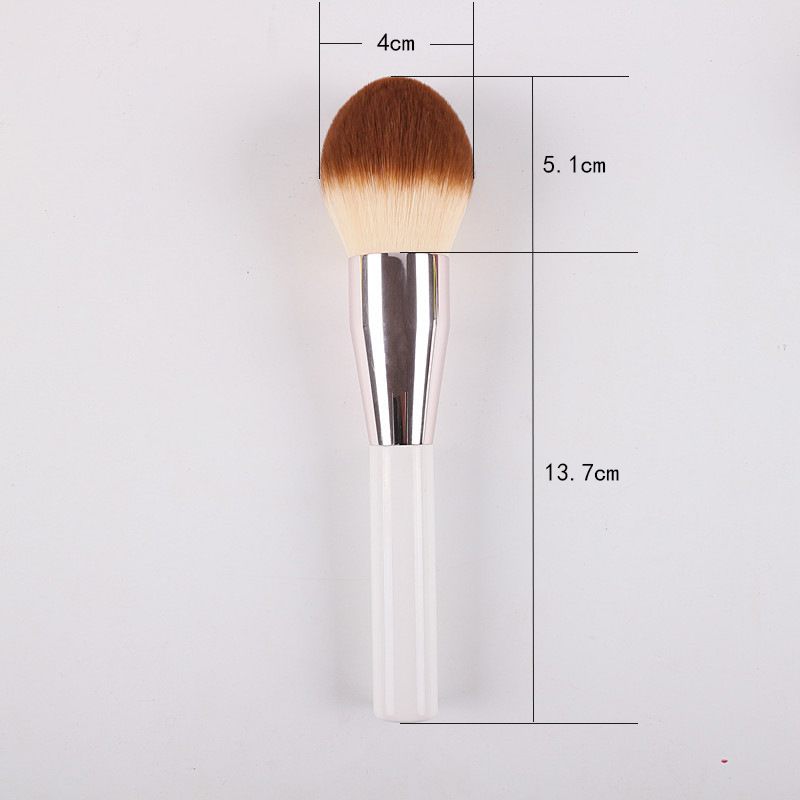
At the heart of the lab’s work is a focus on two key sustainable material categories: plant-based fibers and recycled composites. Early prototypes highlight promising results with bamboo-derived cellulose, a renewable resource that offers surprising softness and durability—traits once thought exclusive to synthetic alternatives. "Bamboo cellulose undergoes a specialized treatment process to enhance its elasticity, making it suitable for everything from powder brushes to precision liners," explains Dr. Elena Marquez, lead materials scientist at the lab. "We’ve also experimented with corn starch-based polymers, which biodegrade naturally without compromising on performance."
Recycled materials are another cornerstone of the lab’s research. By repurposing post-consumer plastic waste—such as discarded water bottles and cosmetic packaging—Lush is exploring ways to create high-quality bristle filaments. "The challenge isn’t just recycling plastic, but transforming it into a material that meets the rigorous standards of professional makeup artists," notes Marquez. Initial tests show that recycled polyester blends, when treated with a proprietary coating, exhibit comparable pick-up and blendability to virgin nylon, with the added benefit of diverting waste from landfills.
Beyond material development, the lab is collaborating with environmental organizations to measure the full lifecycle impact of its innovations. Life cycle assessments (LCAs) reveal that early iterations of plant-based brushes reduce carbon emissions by up to 40% compared to traditional synthetic brushes, while recycled composite brushes cut reliance on virgin resources by 65%. These metrics are critical, as consumers increasingly demand transparency about the environmental cost of their purchases.
The implications of Lush’s lab extend far beyond its own product lines. By openly sharing research insights—including challenges like scaling plant-based fiber production and improving recycled material consistency—the brand is setting a precedent for industry-wide collaboration. "Sustainability shouldn’t be a competitive advantage; it should be the baseline," says Lush’s Chief Sustainability Officer, James Chen. "Our goal is to make these materials accessible to small brands and industry giants alike, accelerating the shift away from plastic-heavy beauty tools."
As the lab moves toward commercialization, expected within the next 18–24 months, early feedback from makeup artists and eco-conscious consumers has been overwhelmingly positive. "The bamboo-based powder brush feels just as soft as my go-to synthetic one, but I love knowing it won’t sit in a landfill forever," says professional makeup artist Mia Rodriguez.
Lush’s Bristle Innovation Lab isn’t just developing brushes—it’s redefining what it means for beauty tools to be both high-performing and planet-friendly. In a market where greenwashing is rampant, this initiative stands out as a tangible commitment to innovation with purpose. For the beauty industry, it’s a clear signal: the future of makeup brushes is sustainable, and it starts here.


