

Bristle Surface Topography: How Micro-Grooves Improve Powder Adhesion in Face Brushes
Bristle Surface Topography: How Micro-Grooves Improve Powder Adhesion in Face Brushes
In the world of cosmetics, the performance of a face brush hinges on more than just bristle material or shape—its surface topography plays a pivotal role in determining how well it interacts with powders. Among the latest innovations in brush technology, micro-grooves on bristle surfaces have emerged as a game-changer, revolutionizing powder adhesion and redefining user experience.
To understand the impact of micro-grooves, it’s first essential to grasp the basics of bristle surface topography. Traditional brush bristles, often smooth or minimally textured, rely on basic friction to hold powder. However, this design has limitations: smooth surfaces offer limited contact points, leading to poor powder retention, uneven application, and frustrating “fallout”—where excess powder drifts off the brush before reaching the skin. Micro-grooves, tiny channels etched or molded into the bristle surface, address these issues by engineering a more efficient interface between bristle and powder.
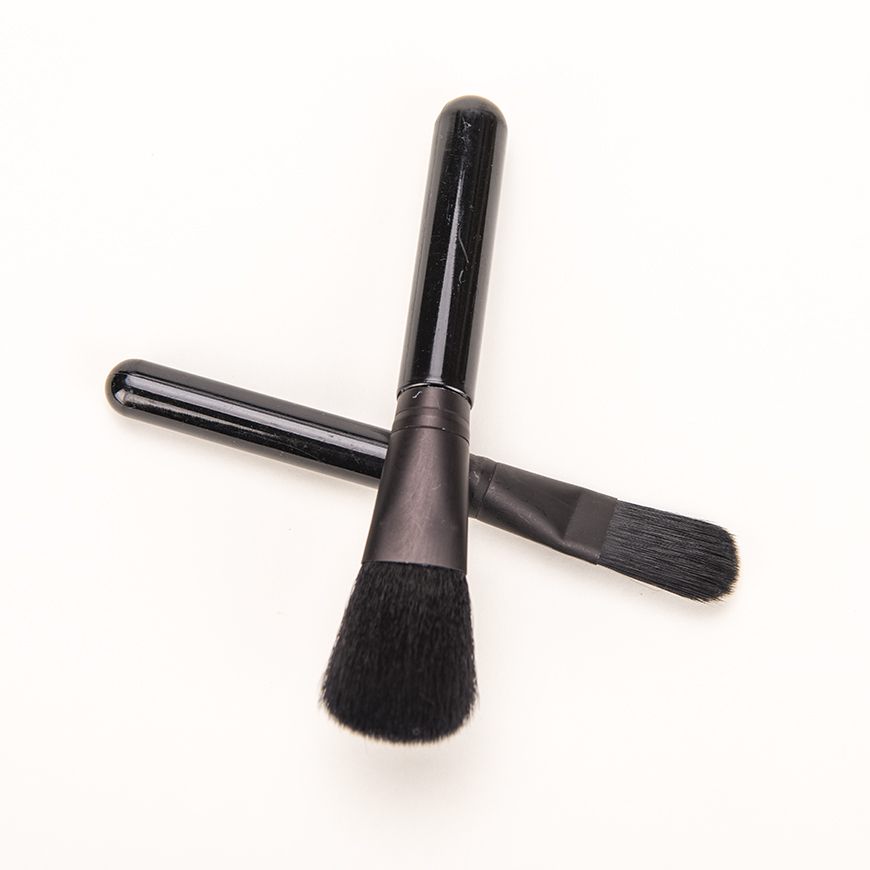
The science behind micro-grooves lies in two key principles: increased surface area and mechanical interlocking. Unlike smooth bristles, which present a flat, uniform contact plane, micro-grooves create a three-dimensional landscape. These minute channels—typically 5-20 micrometers in width and depth—multiply the number of contact points between the bristle and powder ps. More contact points mean stronger van der Waals forces, the intermolecular attractions that enable adhesion. Additionally, the grooves act as tiny “pockets,” physically trapping powder ps and preventing them from dislodging during handling or application.
This enhanced adhesion translates to tangible benefits for both consumers and manufacturers. For users, micro-grooved bristles pick up powder more efficiently, reducing the need for multiple dips into the product—a boon for both product longevity and cost savings. When applied, the powder releases evenly, avoiding patchiness or clumping, and the reduced fallout ensures a cleaner, more precise makeup application. For manufacturers, this technology elevates product quality, positioning brushes as premium tools that deliver consistent, professional results.
The engineering of micro-grooves is a feat of precision manufacturing. Modern production techniques, such as laser etching or micro-injection molding, allow for controlled groove patterns—varying in density, depth, and orientation—to optimize performance for specific powder types (e.g., loose vs. pressed powders). For instance, deeper grooves may excel with loose, fine powders, while shallower, more densely packed grooves might better suit pressed formulas. This customization ensures that brushes can be tailored to diverse cosmetic needs, from sheer highlighting to full-coverage foundation.
Beyond adhesion, micro-grooves also influence bristle flexibility and durability. The grooves distribute stress more evenly across the bristle, reducing breakage and extending the brush’s lifespan. This durability, combined with improved powder handling, makes micro-grooved brushes a sustainable choice, aligning with the growing consumer demand for long-lasting, eco-friendly beauty tools.
As the cosmetics industry continues to prioritize innovation, bristle surface topography is set to become a key differentiator. Micro-grooves are not just a technical upgrade but a response to the evolving needs of makeup enthusiasts who seek efficiency, precision, and reliability. For manufacturers, investing in this technology means staying ahead in a competitive market, where product performance and user satisfaction are paramount.
In conclusion, micro-grooves on brush bristles represent a fusion of material science and user-centric design. By enhancing powder adhesion through increased surface area and mechanical interlocking, they transform the humble face brush into a high-performance tool. As this technology becomes more widespread, it’s clear that the future of makeup brushes lies not just in what they’re made of, but in the intricate details of how their surfaces interact with the products they’re meant to apply.


