

Bristle Porosity Studies: How It Influences Shaving Cream Absorption
Bristle Porosity Studies: How It Influences Shaving Cream Absorption
Shaving is more than a daily routine—it’s a ritual where every detail matters, from the blade to the brush. Among the unsung heroes of this ritual is the shaving brush, and at its core lies a critical yet often overlooked factor: bristle porosity. Recent studies into bristle porosity are shedding light on how this microscopic feature directly impacts shaving cream absorption, ultimately shaping the user’s experience.
What is Bristle Porosity?

Porosity refers to the volume of tiny pores, channels, and gaps within a bristle’s structure. These spaces are not just empty voids; they act as reservoirs and pathways for liquids like shaving cream. Measured using techniques like mercury intrusion porosimetry or scanning electron microscopy (SEM), porosity is quantified by the ratio of pore volume to total bristle volume. For shaving brushes, this metric determines how much cream a bristle can hold, how quickly it releases it, and how effectively it lathers.
The Science of Absorption: Why Porosity Matters
Shaving cream absorption is a two-step process: first, the cream is drawn into the bristle’s pores via capillary action, and second, it is released onto the skin during lathering. Porosity directly influences both steps.
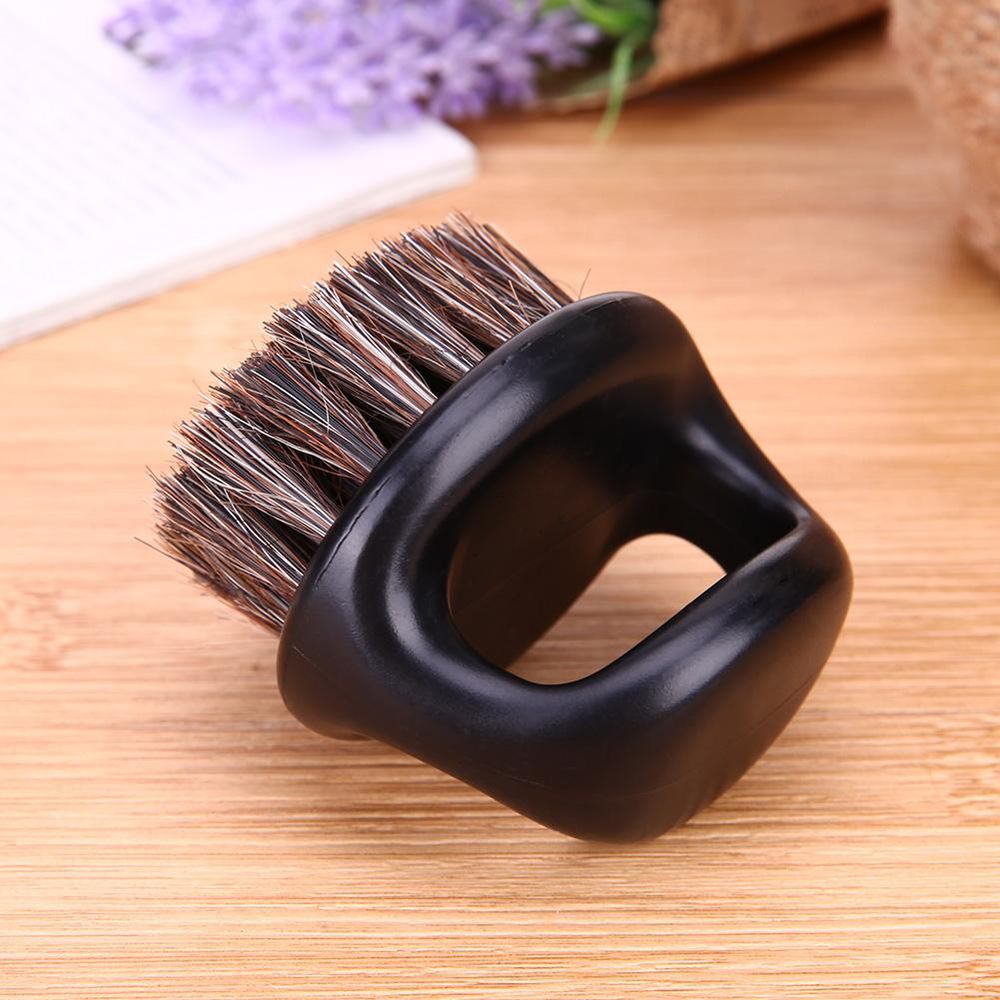
High porosity bristles, with larger or more interconnected pores, can absorb more cream initially. This might seem beneficial, but there’s a balance. Excessively porous bristles may trap too much cream, leading to waste as residual product remains in the brush after use. Conversely, low porosity bristles—dense with fewer or smaller pores—absorb less cream, risking insufficient lathering and uneven application.
Studies by cosmetic science researchers highlight that optimal porosity (typically 20-30% pore volume for synthetic bristles) strikes this balance. Such bristles absorb enough cream to generate rich, creamy lather while releasing it evenly, reducing product waste and ensuring a smooth glide across the skin.
Material Matters: Porosity in Natural vs. Synthetic Bristles
Porosity varies significantly between bristle materials, a key consideration for manufacturers and consumers alike.
Natural bristles, such as badger or boar hair, have inherently porous structures due to their biological origin. Their hollow cores and irregular surface textures create complex pore networks, allowing them to absorb and retain moisture well. However, natural porosity is harder to standardize—variations in animal breed, diet, and processing can lead to inconsistent absorption rates.
Synthetic bristles, made from materials like nylon or polyester, offer greater control over porosity. By adjusting manufacturing parameters—such as fiber diameter, spinning temperature, and post-treatment (e.g., plasma etching)—engineers can design pores of specific sizes and distributions. For example, ultra-fine synthetic fibers with micro-pores (5-10 micrometers) mimic natural bristle absorption while offering better durability and cruelty-free appeal.
Optimizing Porosity for Enhanced Performance
Modern shaving brush design leverages porosity studies to solve user pain points. For instance, users often complain about “drying out” brushes or uneven lather. By tailoring porosity, manufacturers can address these issues:
- Moisture Retention: Bristles with interconnected pores retain water longer, preventing the brush from drying out between uses and reducing the need for frequent rewetting.
- Lather Quality: Pores act as nucleation sites for air bubbles, a key component of thick lather. Controlled porosity ensures uniform bubble formation, resulting in a denser, longer-lasting lather that cushions the skin.
- Product Efficiency: Brushes with balanced porosity minimize cream waste by releasing just enough product for each shave, making them cost-effective for consumers.
The Future of Bristle Porosity Research
As consumer demand for sustainable and high-performance grooming tools grows, porosity studies are evolving. Emerging technologies, like 3D-printed bristle structures, allow for precise pore engineering—customizing porosity to match specific shaving cream formulas (e.g., thick creams vs. gels). Additionally, biodegradable synthetic materials with tunable porosity are being developed, aligning with eco-conscious trends.
In conclusion, bristle porosity is not a trivial detail but a cornerstone of shaving brush performance. By understanding how porosity influences cream absorption, manufacturers can craft brushes that elevate the shaving experience—delivering richer lather, reducing waste, and ensuring comfort. For consumers, recognizing porosity as a key factor empowers them to choose brushes that align with their unique needs, turning a daily task into a luxurious ritual.


