

Synthetic Bristle Quality Comparisons: Generic vs. Branded Filaments
Synthetic Bristle Quality Comparisons: Generic vs. Branded Filaments
In the grooming industry, synthetic bristles have emerged as a pivotal component, particularly in shaving brushes, where performance, comfort, and durability directly impact user experience. As demand for cruelty-free and cost-effective alternatives to natural animal hair grows, the market now offers two primary categories: generic synthetic filaments and branded synthetic filaments. While both aim to replicate the softness and functionality of natural bristles, their quality diverges significantly across material composition, manufacturing工艺, and end-user performance.
Material Composition: The Foundation of Quality

Generic synthetic bristles often rely on basic polymers like standard nylon (e.g., nylon 6 or 66) or polyester. These materials are inexpensive to produce but lack advanced properties: they may feel stiff, absorb water poorly, and degrade quickly with repeated use. In contrast, branded filaments are engineered with high-grade materials, such as modified nylon 612, PBT (polybutylene terephthalate), or even bio-based polymers. These materials are chosen for their superior flexibility, moisture retention, and resistance to heat and chemicals. For instance, some branded filaments incorporate hollow-core structures to enhance water absorption, mimicking the natural capillary action of badger hair, while generic options typically have solid cores, limiting their ability to hold lather.
Manufacturing Precision: Crafting Consistency
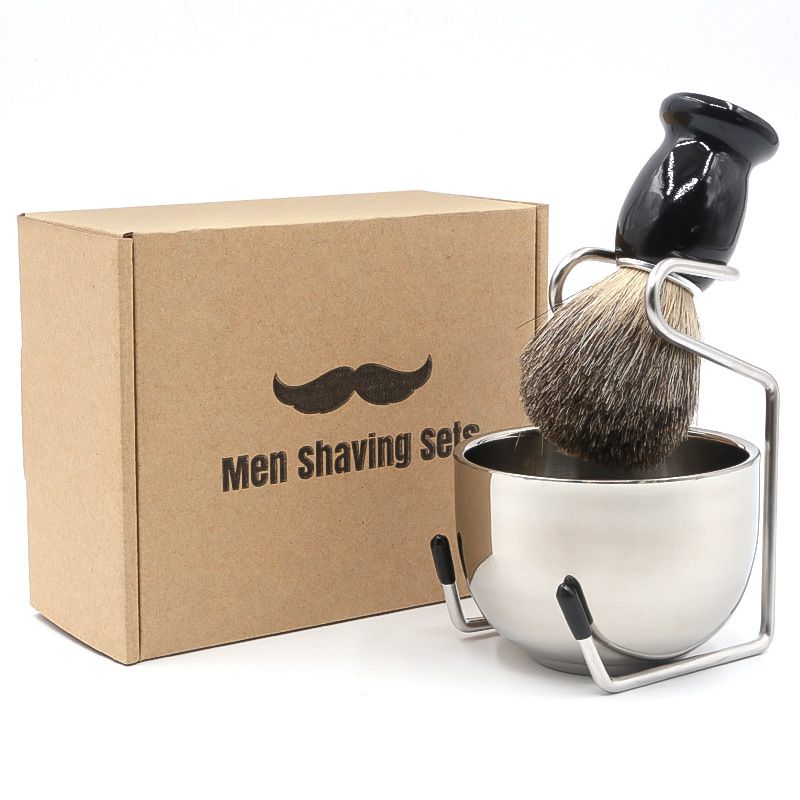
The production process further differentiates the two. Generic filaments are often mass-produced with minimal quality control. Cutting and trimming are imprecise, leading to uneven bristle lengths, rough tips, and inconsistent diameters. This results in brushes that feel scratchy on the skin and fail to maintain a uniform shape over time. Branded filaments, however, undergo rigorous manufacturing standards. Advanced techniques like laser cutting ensure sharp, uniform tips, while specialized打磨 processes (such as "flag-tipping" or "split-end" treatments) create micro-fibrils that soften the bristle surface, reducing irritation. Additionally, branded manufacturers invest in controlled卷曲工艺, ensuring each bristle retains its shape and springiness, even after hundreds of uses— a critical factor for maintaining optimal lather distribution.
Performance Metrics: Durability, Lather, and Comfort
When tested for real-world performance, the gap widens. Generic bristles tend to lose their shape within 3–6 months of regular use, with tips fraying or splitting due to poor material resilience. Their limited water retention also results in thin, unstable lather, requiring more shaving cream and effort. Branded filaments, by contrast, often last 12–18 months or longer, thanks to their robust material structure. Their enhanced water absorption (some holding up to 30% more moisture than generic alternatives) produces rich, creamy lather with minimal product. Most importantly, the soft, refined tips of branded bristles glide smoothly across the skin, reducing redness and razor burn— a key advantage for users with sensitive skin.

Cost vs. Value: The Long-Term Investment
While generic filaments are cheaper upfront (often 30–50% lower in cost), their short lifespan and subpar performance make them a less economical choice over time. Branded filaments, though pricier initially, offer better value by reducing replacement frequency and enhancing the overall shaving experience. For manufacturers and consumers alike, investing in branded filaments translates to higher customer satisfaction and brand loyalty, as users associate quality bristles with a premium grooming ritual.
In conclusion, the choice between generic and branded synthetic filaments hinges on prioritizing cost over quality. Generic options may suit budget-focused, low-demand applications, but for premium shaving brushes that deliver comfort, durability, and consistent performance, branded filaments stand out as the superior choice. As the industry continues to innovate, the gap in quality is only set to widen— making informed material selection more critical than ever for manufacturers and consumers.


