

Shaving Brush Future Trends: Predictions for 2025 and Beyond
Shaving Brush Future Trends: Predictions for 2025 and Beyond
The shaving brush, a timeless tool in grooming, is undergoing a transformative evolution as consumer preferences, technological advancements, and sustainability demands reshape the industry. As we look toward 2025 and beyond, several key trends are set to redefine how shaving brushes are designed, manufactured, and consumed.
1. Synthetic Bristles: Beyond Natural Hair Limitations
For decades, natural bristles—particularly badger hair—dominated the premium shaving brush market, prized for their water retention and softness. However, ethical concerns over animal sourcing and supply chain instability (e.g., declining badger populations in some regions) are driving a shift toward high-performance synthetic alternatives. By 2025, advancements in materials science will push synthetic bristles to new heights: nanoscale fiber engineering will mimic the hollow structure of natural badger hair, enhancing water absorption and lather generation. Brands like ours are already developing bio-based synthetic fibers derived from plant starches or recycled plastics, offering a cruelty-free, sustainable alternative without compromising on feel.
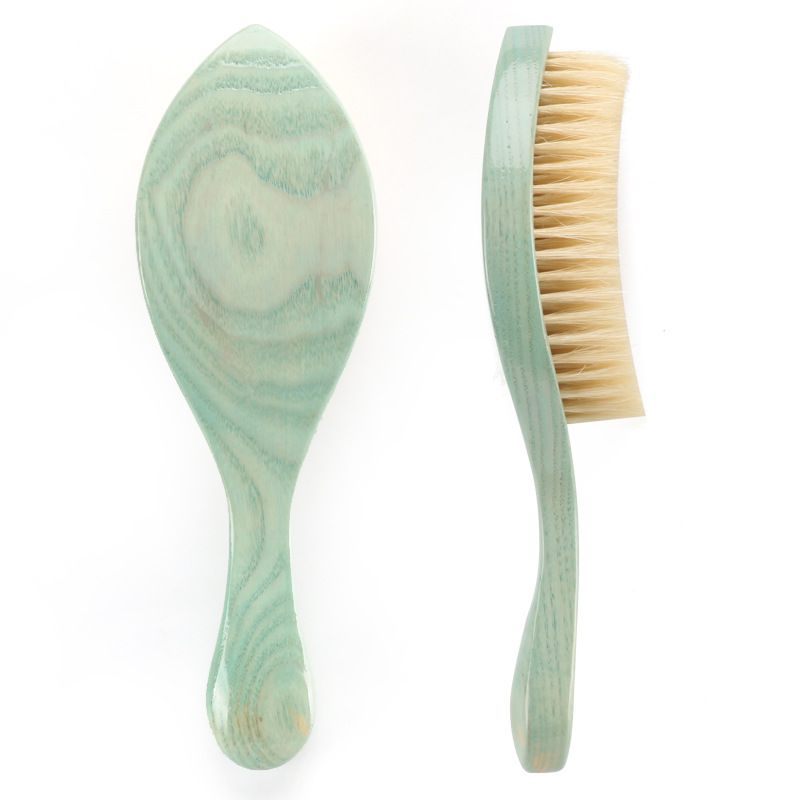
2. Sustainability: From Materials to Manufacturing
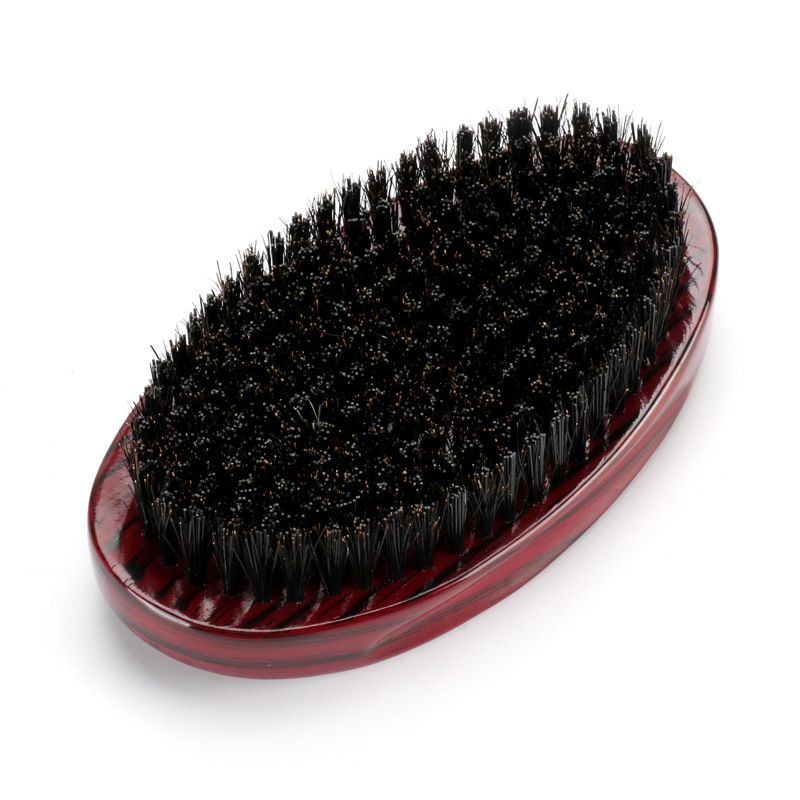
Sustainability is no longer a niche concern but a core consumer expectation. Future shaving brushes will prioritize eco-friendly materials and circular design. Handles, traditionally made from plastic or non-renewable wood, will increasingly use bamboo, cork, or recycled metals. Manufacturers will adopt zero-waste production processes, with byproducts from bristle manufacturing repurposed into other grooming tools. Additionally, brands will emphasize recyclable packaging and take-back programs, allowing consumers to return old brushes for recycling or upcycling—aligning with global initiatives to reduce beauty industry waste.
3. Smart Integration: Tech-Enhanced Grooming
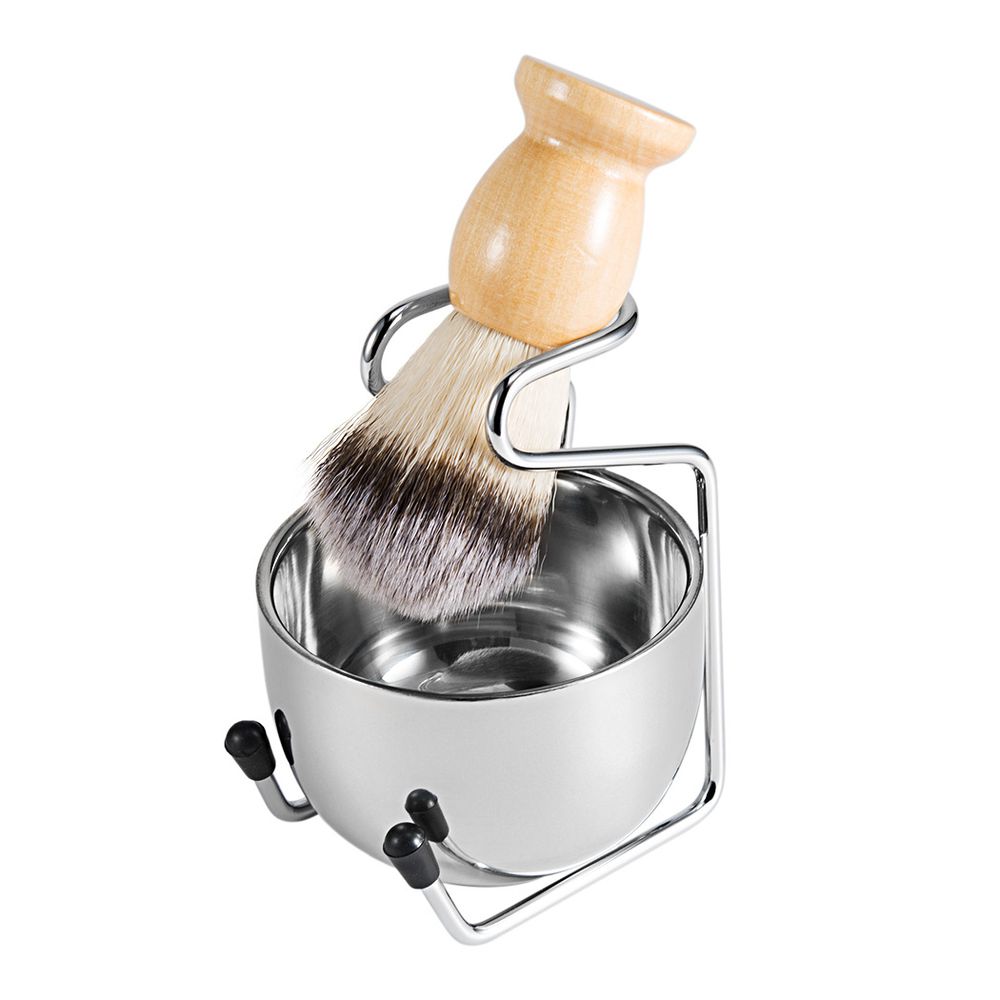
The rise of smart grooming devices is set to touch shaving brushes, too. By 2025, we may see “smart brushes” equipped with sensors that monitor bristle wear, water temperature, or even skin pH levels. These devices could sync with mobile apps to provide personalized shaving tips—e.g., adjusting lather thickness based on skin sensitivity or alerting users when bristles need replacement. While high-tech features may initially target premium markets, cost reductions in sensor technology could make smart brushes accessible to mainstream consumers, blending tradition with innovation.
4. Personalization: Tailored to Individual Needs
Consumers increasingly seek products that reflect their unique preferences, and shaving brushes are no exception. Customization will go beyond engraved handles: brands will offer modular designs, allowing users to swap bristles (e.g., soft for sensitive skin, firmer for thick beards) or adjust handle ergonomics. Online tools may let customers upload facial scans to recommend bristle density or shape, ensuring a tailored shaving experience. This trend not only enhances user satisfaction but also fosters brand loyalty in a competitive market.
5. Expanding Market: Women and Emerging Economies
Historically a male-centric product, shaving brushes are gaining traction among women, driven by the rise of “clean beauty” and at-home spa routines. Brands will develop smaller, ergonomic brushes designed for leg or underarm shaving, with softer bristles and vibrant, gender-neutral designs. Meanwhile, emerging economies in Southeast Asia, Africa, and Latin America will become key growth markets. As disposable incomes rise, consumers in these regions are investing in high-quality grooming tools, creating opportunities for affordable yet durable brushes tailored to local preferences (e.g., humidity-resistant materials for tropical climates).
In conclusion, the future of shaving brushes lies at the intersection of tradition and innovation. By embracing synthetic material advancements, sustainability, smart technology, personalization, and market expansion, manufacturers can meet evolving consumer demands while staying relevant in a dynamic industry. For brands, the key will be balancing heritage craftsmanship with forward-thinking solutions—ensuring the shaving brush remains an essential, beloved tool for generations to come.


