

Badger Hair Grading Systems: Debunking Myths About 'Super' and 'Finest' Grades
Badger Hair Grading Systems: Debunking Myths About 'Super' and 'Finest' Grades
For wet shaving enthusiasts, badger hair shaving brushes are often hailed as the gold standard, prized for their ability to lather richly, retain heat, and glide smoothly across the skin. Central to the allure of these brushes is the "grading system" that labels hairs as "Pure," "Super," "Finest," or "Silvertip." Yet, this system is rife with confusion—myths perpetuated by marketing hype and a lack of industry-wide standards. Let’s cut through the noise and separate fact from fiction.
First, it’s critical to understand what badger hair grading actually measures. Contrary to popular belief, grades like "Super" or "Finest" are not universal benchmarks. Unlike, say, diamond clarity or wool quality, there is no global regulatory body defining badger hair tiers. Instead, grading is largely brand-specific, rooted in historical traditions and marketing strategies. This lack of standardization is where most myths take root.
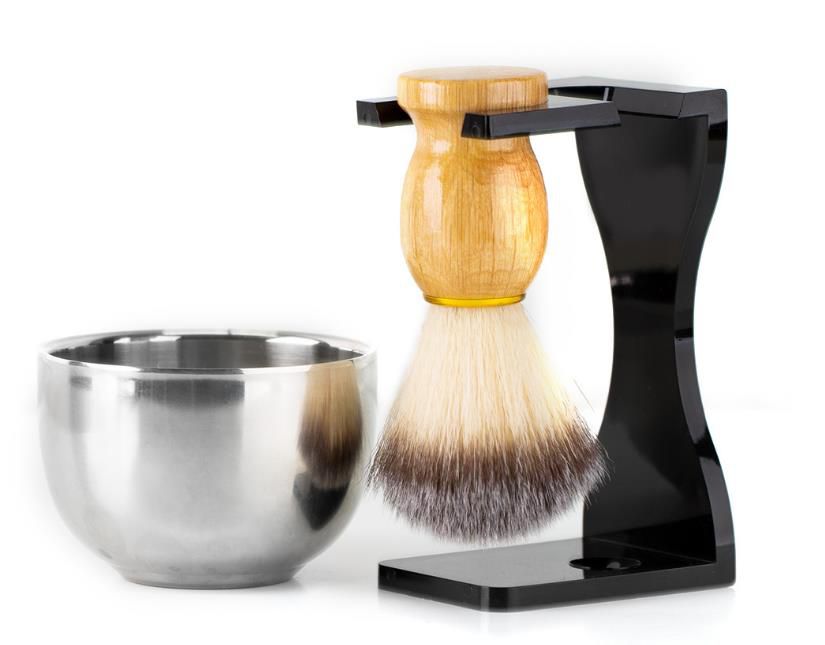
Myth 1: "Higher grades equal better quality." Many consumers assume "Finest" or "Silvertip" is inherently superior to "Super" or "Pure." In reality, each grade describes different characteristics of the hair, not a strict hierarchy of quality. For example, "Pure Badger" typically consists of coarser guard hairs with fewer soft underfur fibers. It’s durable and affordable, ideal for daily use. "Super Badger" blends coarser guard hairs with more underfur, striking a balance between softness and resilience. "Finest" and "Silvertip" (often used interchangeably by some brands) prioritize longer, softer underfur, offering a luxuriously gentle lather—but they may be less durable than lower grades due to their delicate structure. "Better" depends on the user: a barber needing a brush for all-day use might prefer "Super" for its sturdiness, while a home shaver seeking indulgence might opt for "Silvertip."
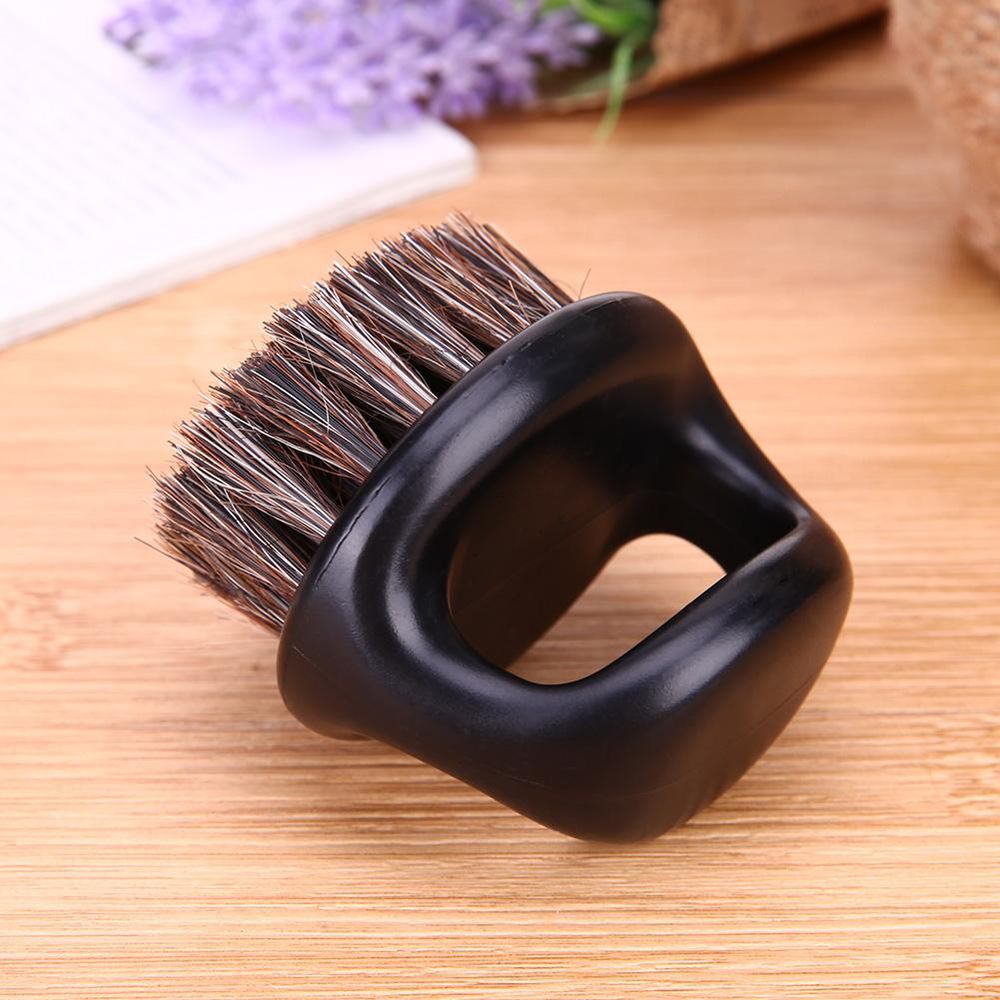
Myth 2: "Silvertip is the 'best' grade." The term "Silvertip" refers to the light-colored tips of the longest underfur hairs, a result of natural pigmentation. While visually striking, this coloration doesn’t inherently make the hair softer or more functional. Some brands reserve "Silvertip" for their premium lines, but others use it to market mid-range brushes. The real measure of quality lies in hair density, fiber elasticity, and how well the brush retains water—not the tip color alone.
Myth 3: "Price directly reflects grade." A $300 "Finest" brush isn’t always "better" than a $100 "Super" brush. Price is influenced by factors like brand reputation, handle materials (e.g., ebony vs. plastic), and artisanal labor, not just hair grade. Some brands inflate prices by leaning heavily on "prestige" grades, while others offer high-quality "Super" brushes at accessible prices. Savvy shoppers should focus on hair feel and performance over the label.
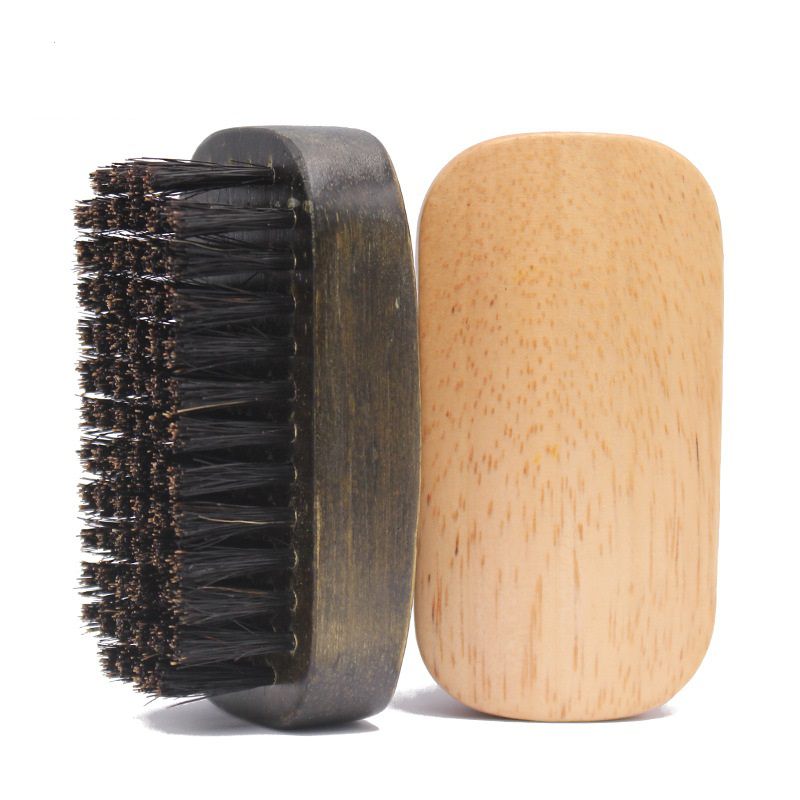
So, how can consumers navigate this? Start by prioritizing experience over terminology. A good brush should feel soft yet springy, lather quickly, and dry evenly. Check for consistent hair density—sparse or uneven tufts indicate lower quality, regardless of the grade. Research brands with transparent sourcing: ethical badger hair harvesting (sustainable, byproduct of the meat industry) and clear grading criteria are red flags for reliability.
In the end, badger hair grades are useful tools, but they’re not the final word. The "best" brush is the one that fits your shaving style, budget, and comfort. By debunking the myths around "Super" and "Finest," we can shift the focus from marketing labels to what truly matters: a brush that elevates your daily shave.


