

Shaving Brush User Demographics: Who’s Buying Premium vs. Budget Brushes?
Shaving Brush User Demographics: Who’s Buying Premium vs. Budget Brushes?
The global shaving brush market is experiencing a quiet renaissance, driven by a growing appreciation for traditional grooming rituals and artisanal craftsmanship. Yet, beneath this resurgence lies a clear divide: the premium and budget segments cater to distinct user demographics with unique needs, values, and purchasing behaviors. Understanding these differences is key for brands aiming to connect with their target audiences.
The Premium Shaving Brush Buyer: Age, Affluence, and the Ritual of Grooming
Premium shaving brushes—often crafted with high-grade materials like badger hair, silvertip, or horsehair, and paired with hand-finished handles—attract a demographic defined by age, disposable income, and a reverence for tradition. Market insights suggest the core premium buyer is typically aged 35–65, with a household income above $80,000. This group views shaving not as a chore but as a daily ritual, valuing the sensory experience: the lather’s texture, the brush’s weight, and the craftsmanship behind each piece.
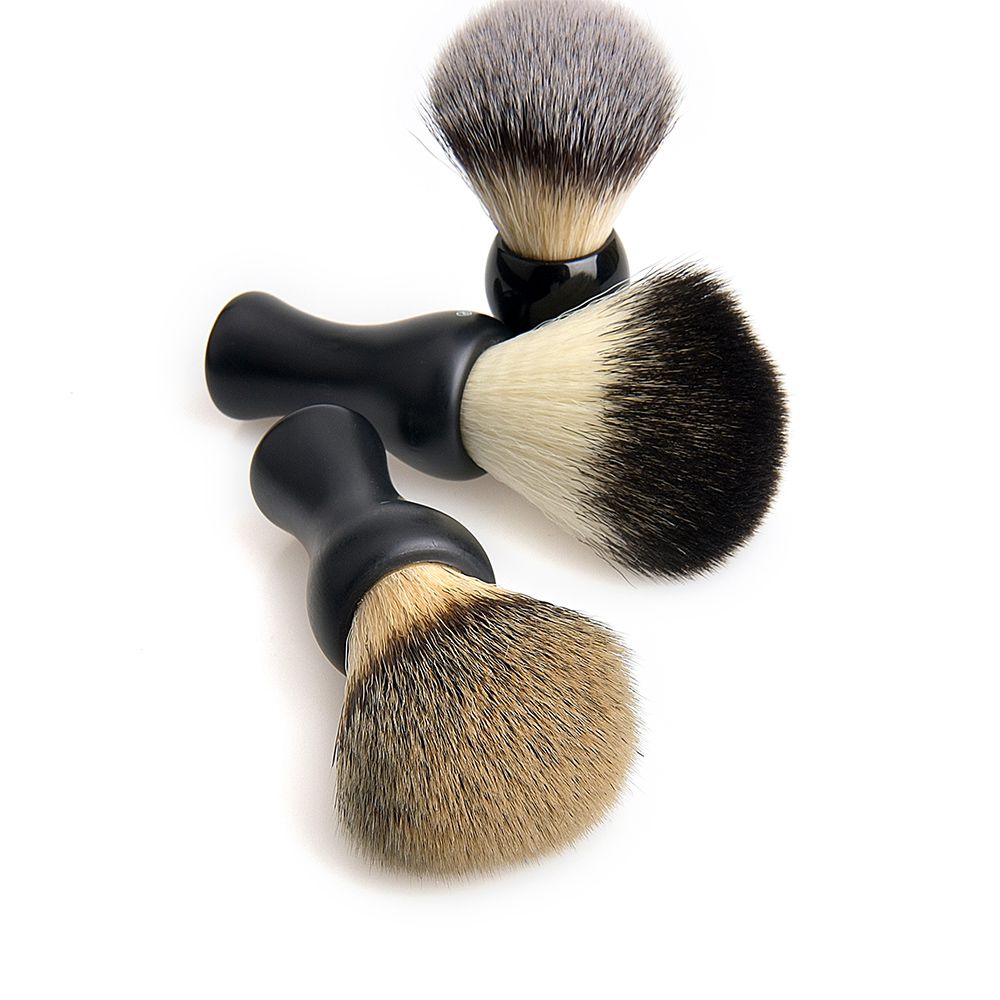
For these consumers, a premium brush is more than a tool; it’s an investment in quality and heritage. Many are enthusiasts of traditional wet shaving, having moved away from disposable razors in search of a more sustainable, luxurious routine. They prioritize brands with storytelling—artisanal workshops, eco-friendly practices, or heritage legacies—and are willing to pay $50–$200+ for a brush that promises durability and performance. Online, they shop via brand官网s or niche grooming platforms, while offline, they frequent high-end department stores or specialty barbershops.
The Budget Shaving Brush Buyer: Youth, Practicality, and Accessibility
In contrast, budget shaving brushes—priced $10–$40, often made with synthetic fibers or lower-grade natural hair—resonate with a younger, more price-sensitive demographic. The primary buyers here are 18–30 years old, including students, entry-level professionals, and first-time wet shavers testing the waters of traditional grooming. For them, cost-effectiveness and functionality take precedence over brand prestige or material rarity.
This group is driven by curiosity and practicality. Many discover wet shaving through social media (TikTok, Instagram) or budget-friendly tutorials, drawn to its affordability compared to cartridge razors long-term. They prioritize synthetic brushes for their quick-drying properties, cruelty-free appeal, and low maintenance—ideal for busy lifestyles or travel. Online marketplaces like Amazon or AliExpress are their go-to, where they filter by “best seller” or “affordable” tags, often choosing unbranded or emerging labels over established names.
Blurring Lines: The Rise of “Value Premium” Consumers
Not all demographics fit neatly into these boxes. A growing subset—dubbed “value premium” buyers—bridges the gap. Aged 25–40, this group earns mid-range incomes but seeks a balance of quality and cost. They might splurge on a $30–$60 brush with better synthetic fibers or sustainably sourced natural hair, valuing transparency (e.g., “vegan-friendly” or “eco-conscious packaging”) over pure luxury. This trend reflects a broader shift: younger consumers want to invest in products that align with their values without breaking the bank.
Conclusion: Tailoring to Diverse Grooming Journeys
The shaving brush market’s strength lies in its diversity, with premium and budget segments serving distinct but equally passionate audiences. Premium buyers chase tradition and craftsmanship, while budget shoppers prioritize accessibility and practicality. As brands navigate this landscape, understanding these demographics—their motivations, shopping habits, and values—will be critical to crafting products and messaging that resonate. After all, whether it’s a $15 synthetic brush or a $150 silvertip badger, the goal remains the same: elevating the daily ritual of shaving, one lather at a time.


