

Natural Hair Brush Aging: How Bristles Change Texture Over Years of Use
Natural Hair Brush Aging: Understanding Bristle Texture Changes Over Time
Natural hair brushes, cherished for their superior performance in grooming—especially in shaving—are prized for their ability to create rich lather, gently exfoliate skin, and distribute products evenly. Yet, like all natural materials, their bristles undergo subtle but significant changes over years of use. Understanding how these textures evolve can help users appreciate their brush’s lifecycle and maximize its longevity.
The first sign of aging often appears in bristle flexibility. New natural bristles, whether from badger, boar, or horsehair, typically feel firm yet springy—able to retain shape and bounce back after pressure. Over time, this resilience fades. Bristles may soften, losing their structural integrity, or become brittle, especially at the tips. Users might notice fraying, split ends, or a "fuzzy" appearance as individual fibers weaken.
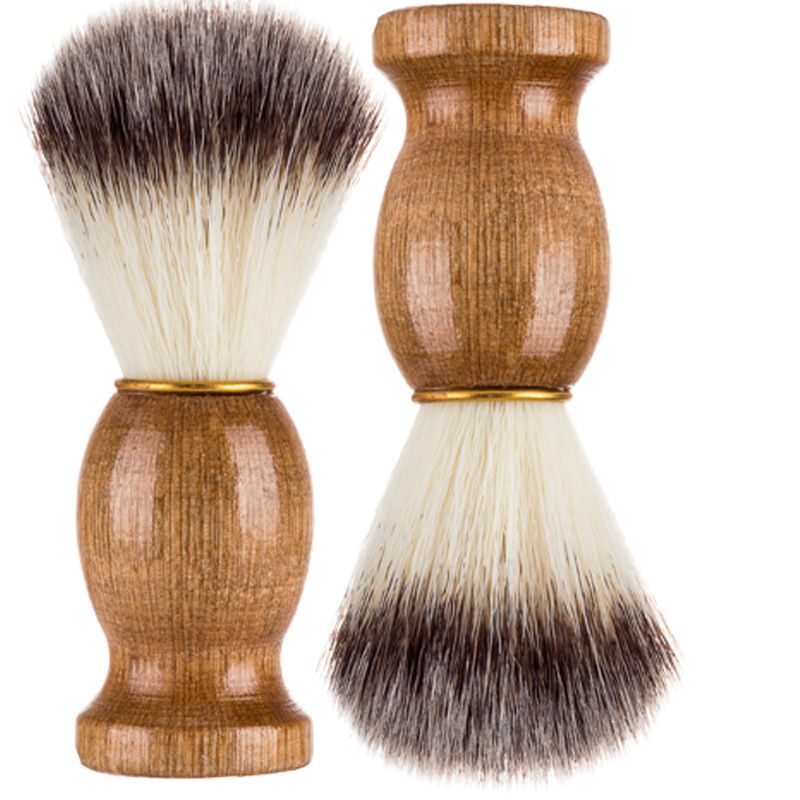
Several factors drive these changes. First, product and oil buildup: Shaving creams, soaps, and natural skin oils can accumulate in the bristle base, weighing fibers down and reducing their ability to hold water or lather. Without regular cleaning, this residue hardens, causing bristles to clump or lose their natural alignment. Second, moisture exposure: While natural bristles thrive on water during use, prolonged dampness—such as leaving a brush unaired in a humid bathroom—can lead to mildew or fiber degradation. Third, mechanical stress: Repeated swirling, pressure against the face, and friction from soap dishes gradually wear down bristle tips, breaking down the outer cuticle that protects the inner cortex.
These texture changes directly impact performance. A once-luxurious badger brush, for example, may struggle to generate thick lather as softened bristles can’t trap air as effectively. Brittle tips might irritate skin instead of providing a smooth glide, while clumped fibers distribute product unevenly. For professionals and enthusiasts, this shift can turn a trusted tool into a frustrating one.
The good news? Proper care can slow aging. Regular cleaning is critical—rinsing thoroughly after use and occasionally using a mild shampoo to dissolve buildup. Drying is equally important: Brushes should air-dry bristle-side down to prevent water from seeping into the handle (which can loosen glue) and to maintain bristle shape. Storing in a cool, dry place away from direct sunlight or heat sources (like hairdryers) preserves fiber strength. For heavily used brushes, gentle conditioning with a natural oil (e.g., jojoba) can replenish moisture without weighing bristles down.
Natural hair brush aging is a natural process, a testament to the brush’s role as a daily companion. While no brush lasts forever, understanding how bristle texture evolves—from springy newness to soft maturity—allows users to adapt their care routine, ensuring their tool remains effective and enjoyable for years. After all, a well-loved brush isn’t just a grooming accessory; it’s a story of daily ritual, and with care, that story can be long and satisfying.


