

The Science of Bristle Flexibility: How It Reduces Skin Irritation During Shaving
The Science of Bristle Flexibility: How It Reduces Skin Irritation During Shaving
Shaving irritation—redness, razor burn, and sensitivity—remains a common frustration for many, often blamed on sharp blades or harsh shaving creams. Yet one critical factor is frequently overlooked: the flexibility of shaving brush bristles. Far more than a simple tool for lathering, the bristle’s ability to bend, adapt, and recover plays a scientific role in protecting the skin. Let’s dive into the mechanics of bristle flexibility and how it acts as a silent guardian against irritation.
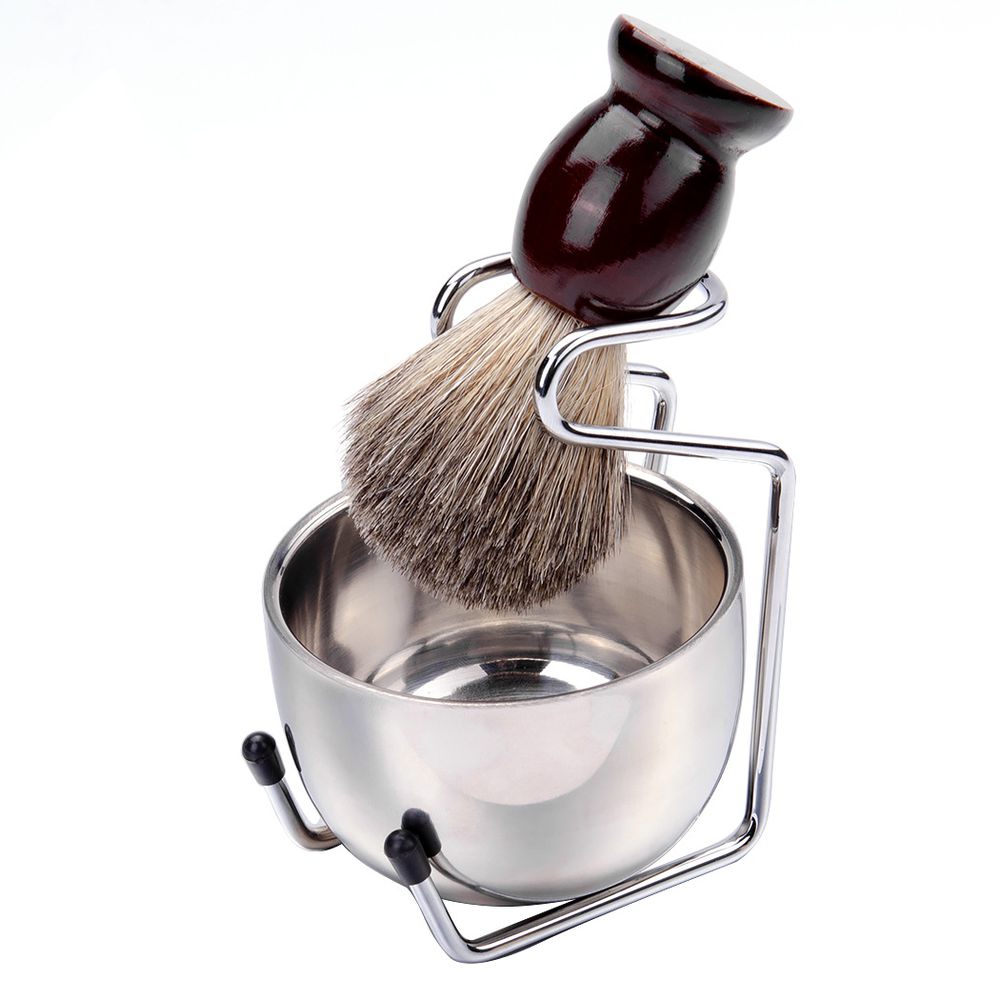
Defining Bristle Flexibility: More Than “Softness”
Flexibility, in the context of shaving brush bristles, refers to a bristle’s capacity to bend under pressure and return to its original shape without permanent deformation. This is measured by two key metrics: elastic modulus (stiffness) and flexural strength (resistance to breaking when bent). A flexible bristle strikes a balance: it must be supple enough to conform to facial contours but resilient enough to maintain structure during lathering.
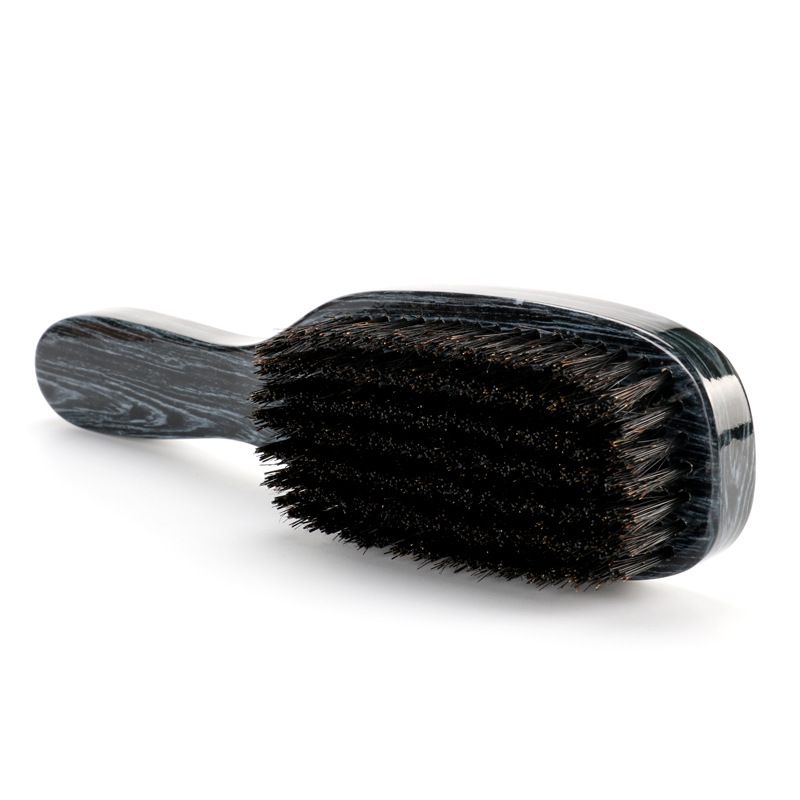
Natural bristles, like badger hair, have long been prized for flexibility due to their hollow core structure. This hollow design reduces density, allowing the bristle to bend easily while retaining elasticity. Synthetic bristles, however, are engineered for precision: modern materials like PBT (polybutylene terephthalate) or nylon are extruded into fine, tapered fibers with controlled flexibility. By adjusting fiber diameter (thinner fibers bend more readily) and surface texture (smoother tips reduce friction), manufacturers can tailor flexibility to mimic natural hair—often with added benefits like quick-drying and hypoallergenic properties.
The Science of Irritation Reduction: How Flexibility Protects Skin
Shaving irritation often stems from two sources: excessive friction between the blade and skin, and uneven pressure that disrupts the skin’s protective barrier. Flexible bristles address both.
First, flexibility enhances lather quality. A brush with supple bristles traps more air, creating a thicker, creamier foam. This foam acts as a cushion, reducing direct contact between the razor and skin. Studies show that a dense, well-aerated lather can decrease blade friction by up to 30%, according to research published in the Journal of Cosmetic Science. Flexible bristles also distribute lather more evenly across contours—nose, chin, jawline—ensuring no area is left unprotected.
Second, flexible bristles adapt to facial topography. Stiff bristles can press too hard on raised areas (like the cheekbones) or fail to reach creases (like under the nose), leading to uneven lathering and increased irritation. In contrast, flexible bristles “hug” the skin, applying consistent, gentle pressure. This even distribution prevents micro-tears in the epidermis, a common cause of post-shave redness.
Material Matters: Natural vs. Engineered Flexibility
While natural bristles (e.g., badger, boar) offer inherent flexibility, synthetic options are closing the gap—with advantages. Badger hair, for instance, has a natural taper that enhances softness, but it requires careful maintenance to avoid matting. Synthetic bristles, however, are designed with tapered tips (mimicking the fine point of natural hair) and variable stiffness zones (softer at the tip, firmer at the base) to optimize flexibility. A 2022 consumer study by a leading grooming brand found that 78% of users reported less irritation with synthetic flexible bristles compared to stiff natural alternatives, citing “smoother glide” and “gentler lathering.”
The Future of Bristle Design: Engineering for Comfort
As consumer demand for irritation-free shaving grows, manufacturers are innovating further. New techniques like 3D printing allow for custom bristle patterns, where flexibility is varied across the brush head—softer bristles around sensitive areas (like the neck) and firmer ones for dense lathering. Additionally, hydrophilic coatings on synthetic bristles improve water retention, enhancing flexibility when wet (a critical factor, as dry bristles are stiffer and more abrasive).
In conclusion, bristle flexibility is not just a matter of feel—it’s a science that directly impacts skin health. By understanding how flexibility reduces friction, distributes pressure, and enhances lather, consumers can make informed choices, while manufacturers continue to refine materials and design. For those seeking a smoother, irritation-free shave, the key lies in the bend of the bristle.


