

Private Label Cosmetic Brush Brands Gain Traction in European and American Markets
Private Label Cosmetic Brushes: Reshaping Beauty Markets in Europe and America
In recent years, private label cosmetic brush brands have emerged as a disruptive force in the European and American beauty markets, challenging traditional established brands and capturing significant consumer attention. This shift is not merely a passing trend but a reflection of evolving consumer preferences, market dynamics, and the agility of private label models in meeting modern demands.
The Rise of Private Label: A Response to Changing Consumer Needs
European and American consumers are increasingly prioritizing customization, affordability, and authenticity in their beauty purchases. Unlike mass-market brands, private label cosmetic brush suppliers offer flexibility—from tailored brush designs and materials to personalized packaging—enabling retailers, influencers, and small-to-medium beauty brands to launch unique product lines without the high costs of in-house manufacturing. This agility resonates particularly with Gen Z and millennial consumers, who value brands that align with their individual style and ethical values, such as cruelty-free and sustainable practices.
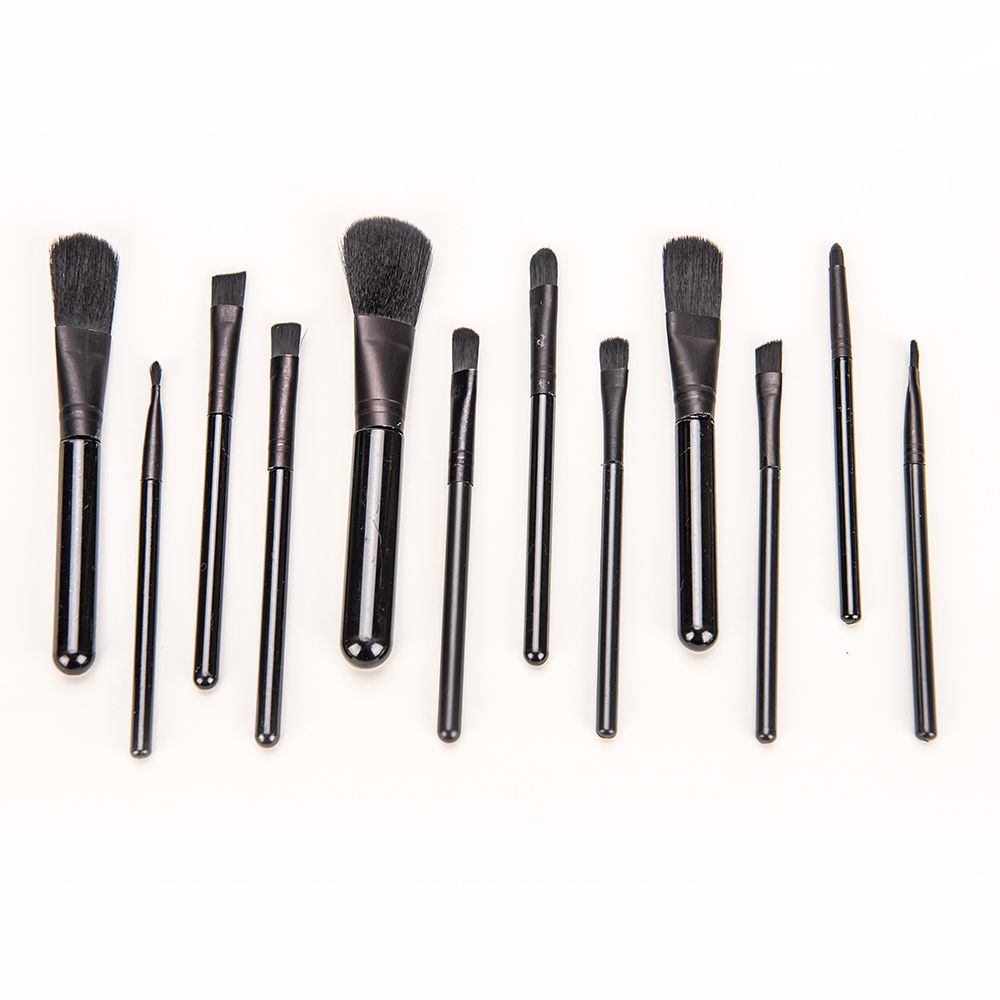
Market data supports this growth: A 2023 report by Euromonitor International noted that private label beauty products, including cosmetic brushes, saw a 12% year-on-year sales increase in Western Europe, outpacing the 7% growth of established beauty brands. In the U.S., private label cosmetic tools now account for over 20% of total cosmetic brush sales, driven by partnerships between retailers (e.g., drugstores, online marketplaces) and OEM/ODM manufacturers.
Technological Innovation: The Backbone of Private Label Success
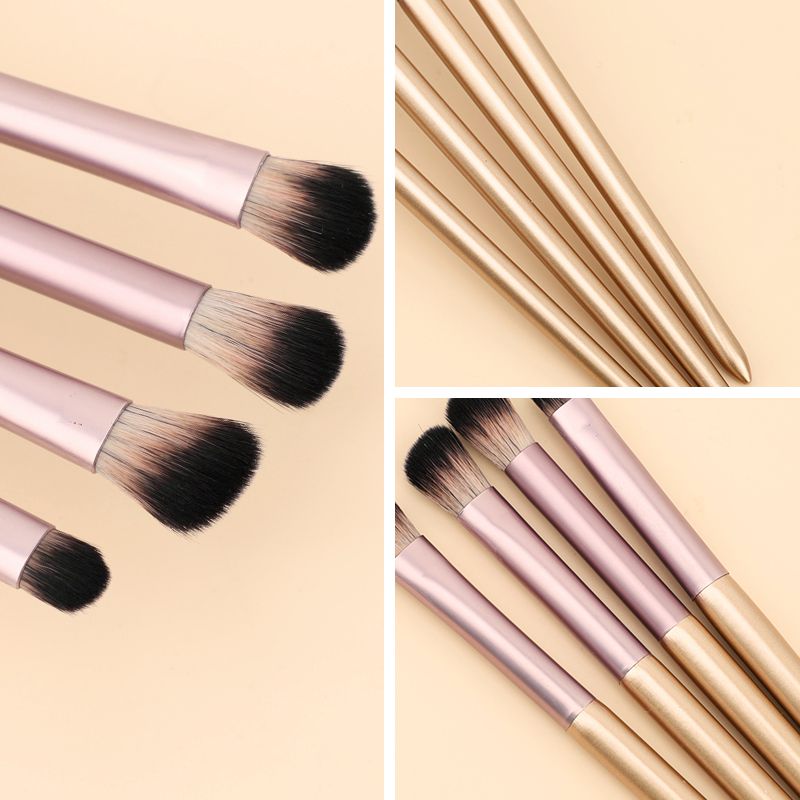
Central to the traction of private label cosmetic brushes is advancements in brush fiber technology and manufacturing processes. Traditional cosmetic brushes often relied on animal hair, but modern private label brands are leading the shift to high-performance synthetic fibers. These fibers—made from materials like PBT (polybutylene terephthalate) and nylon—offer superior softness, durability, and cruelty-free credentials, addressing the growing demand for ethical beauty products.
Manufacturers are also investing in precision engineering. For example, nano-scale fiber tapering and 3D brush head modeling allow private label brushes to mimic the texture and performance of natural hair while reducing shedding and improving product pickup. This technical edge not only enhances user experience but also positions private label brands as innovators, rather than just budget alternatives.
Supply Chain Synergy: China’s Role in Global Growth
Behind the rise of private label cosmetic brushes lies a robust global supply chain, with Chinese manufacturers playing a pivotal role. China’s expertise in brush production—from fiber extrusion to assembly—enables private label brands to access high-quality products at competitive prices. Many Chinese suppliers, like our own, offer end-to-end services: from R&D and prototyping to bulk production and compliance with EU (e.g., REACH) and U.S. (e.g., FDA) regulations. This vertical integration reduces lead times, a critical advantage in fast-paced beauty markets where trends shift rapidly.
Challenges and Future Outlook
Despite their momentum, private label cosmetic brush brands face challenges. Building brand trust remains key, as consumers often associate private labels with lower quality—a perception brands are combating through transparent sourcing, third-party certifications, and influencer collaborations. Additionally, rising raw material costs and geopolitical trade tensions require suppliers to optimize production efficiency and diversify sourcing strategies.
Looking ahead, the future is promising. The demand for sustainable beauty is driving innovation in eco-friendly materials, such as biodegradable brush handles and recycled synthetic fibers. Moreover, the growth of DTC (direct-to-consumer) models and social commerce will further empower private label brands to connect directly with consumers, offering hyper-personalized products and data-driven customization.
In conclusion, private label cosmetic brush brands are not just gaining traction—they are redefining the beauty landscape in Europe and America. By combining consumer-centric flexibility, technological innovation, and global supply chain strength, these brands are well-positioned to sustain growth and challenge the dominance of traditional beauty giants.


