

Optimization of Bristle Taper Cutting Process for Precision Makeup Brushes
Optimization of Bristle Taper Cutting Process for Precision Makeup Brushes: Enhancing Quality and Efficiency in Manufacturing
In the competitive landscape of precision makeup brush manufacturing, the bristle taper cutting process stands as a critical determinant of product quality. A well-tapered bristle ensures optimal softness, powder pickup, and blending performance—qualities that discerning consumers and professional makeup artists demand. However, traditional taper cutting methods often struggle with inconsistencies, material waste, and inefficiencies, limiting the potential of high-end brush production. This explores key strategies for optimizing the bristle taper cutting process, from technological upgrades to parameter fine-tuning, and highlights the tangible benefits for manufacturers.
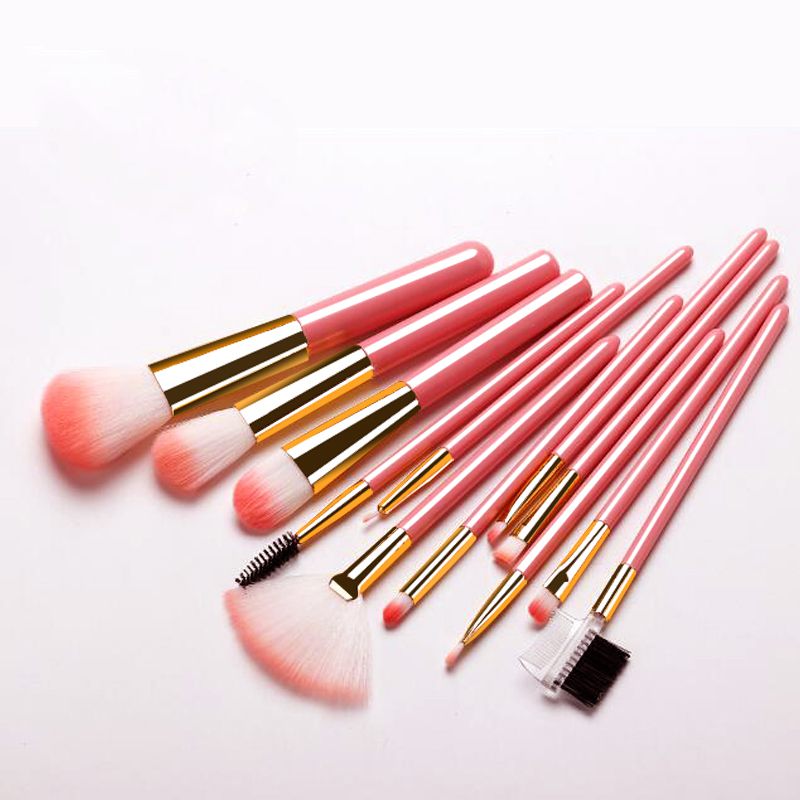
The Significance of Tapered Bristles in Precision Makeup Brushes

Tapered bristles are not merely a design feature but a functional necessity. A precisely cut taper—characterized by a gradual reduction in diameter from the base to the tip—enables the brush to hold powder evenly, distribute product smoothly, and minimize irritation on sensitive skin. For premium brushes, the taper angle (typically ranging from 0.5° to 3°), surface smoothness (measured by Ra values below 0.8μm), and tip sharpness directly impact user experience. Suboptimal tapering can lead to uneven powder release, scratchy textures, or bristle shedding, undermining brand reputation.
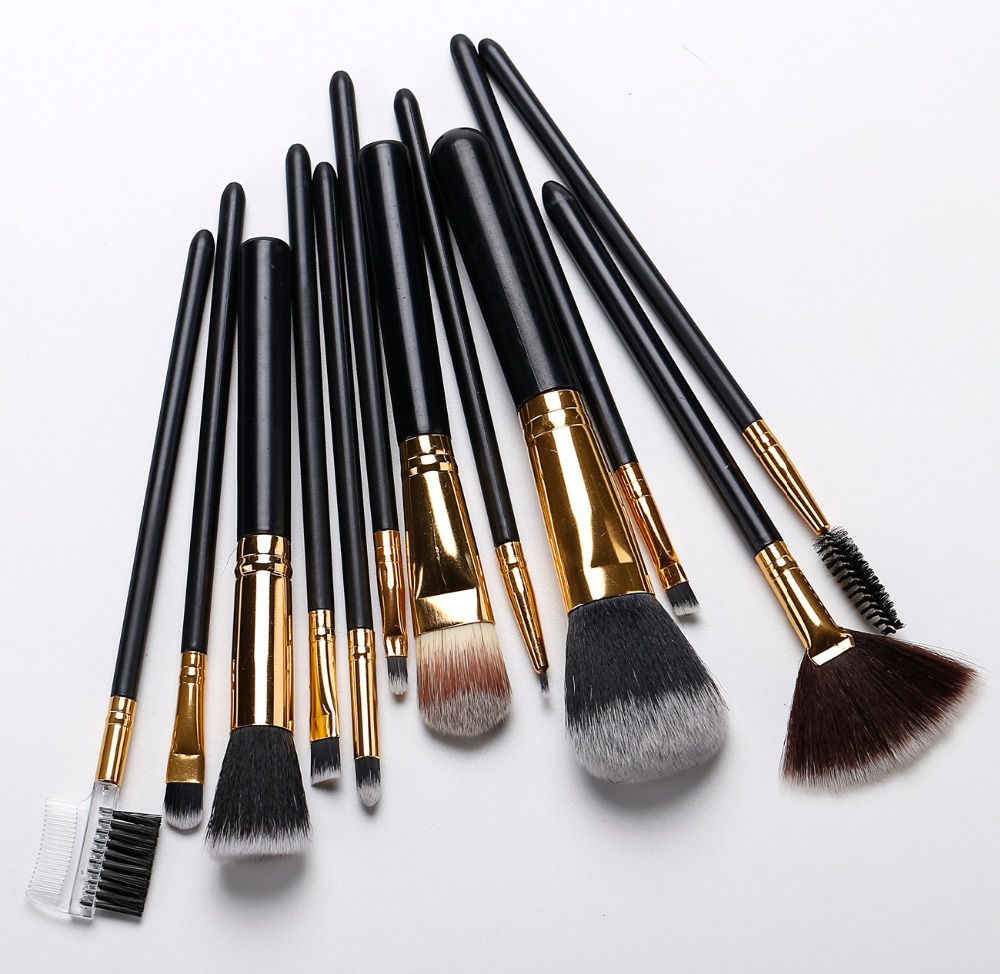
Challenges in Traditional Taper Cutting
Historically, manufacturers relied on mechanical cutting tools, such as rotating blades or abrasive wheels, for taper formation. While cost-effective, these methods suffer from several drawbacks:
- Inconsistency: Manual adjustments and tool wear result in variable taper angles across batches, leading to product uniformity issues.
- Material Waste: Excessive cutting pressure or imprecise alignment often damages bristle shafts, increasing scrap rates (up to 15% in some cases).
- Limited Material Compatibility: Rigid tools struggle with delicate materials like synthetic fibers (e.g., PBT, nylon) or natural hair (e.g., goat, squirrel), causing fraying or deformation.
Optimization Strategies for Taper Cutting
To address these challenges, modern manufacturers are adopting integrated approaches that combine advanced technology, data-driven parameter control, and material-specific adjustments.
1. Laser Cutting Technology: Precision Redefined
Laser cutting has emerged as a game-changer in bristle tapering. Unlike mechanical tools, laser systems deliver focused energy to vaporize bristle material with micron-level precision. Key advantages include:
- Consistency: Computer numerical control (CNC) programming ensures taper angles are replicated within ±0.1° across thousands of bristles.
- Material Versatility: Adjustable laser intensity accommodates synthetic fibers (heat-resistant) and natural hair (low-heat settings to prevent protein denaturation).
- Reduced Waste: Non-contact cutting minimizes bristle damage, lowering scrap rates to under 5%.
2. Parameter Fine-Tuning: Speed, Angle, and Heat Control
Even with advanced tools, optimal results depend on tuning critical parameters:
- Cutting Speed: For synthetic fibers, a speed of 10–15 mm/s balances precision and efficiency; natural hair requires slower speeds (5–8 mm/s) to avoid fraying.
- Taper Angle: Customized angles (e.g., 1° for blending brushes, 2.5° for detail brushes) are programmed based on brush function, ensuring targeted performance.
- Heat Management: Laser systems with active cooling prevent bristle charring, maintaining softness and color integrity.
3. Pre-Cutting Material Preparation
Material quality directly impacts taper outcomes. Preprocessing steps include:
- Moisture Control: Natural hair is conditioned to 12–15% moisture to enhance flexibility during cutting.
- Fiber Alignment: Automated sorting machines ensure bristle shafts are straight, reducing cutting errors caused by misalignment.
4. AI-Powered Quality Inspection
Post-cutting, AI-driven vision systems scan each bristle to verify taper angle, tip sharpness, and surface smoothness. Defective bristles are automatically rejected, ensuring only top-tier materials proceed to brush assembly. This real-time feedback loop also optimizes cutting parameters dynamically, reducing rework.
Measurable Benefits of Optimization
Manufacturers implementing these strategies report significant improvements:
- Quality提升: Taper consistency improves by 40–50%, with 99.5% of bristles meeting strict tolerance standards.
- Efficiency Gains: Production throughput increases by 20–30% due to reduced scrap and faster cutting speeds.
- Cost Savings: Lower material waste and rework cut production costs by 15–20%.


