

Shaving Brush Online Reviews: Analyzing Customer Feedback for Product Improvement
Shaving Brush Online Reviews: Turning Customer Feedback into Product Excellence
In the competitive world of men’s grooming, shaving brushes remain a staple for discerning users seeking a luxurious, close shave. Today, online reviews have become a goldmine for manufacturers, offering unfiltered insights into what customers truly value—and where products fall short. For shaving brush producers, analyzing these reviews isn’t just about monitoring reputation; it’s a strategic tool to drive product innovation and meet evolving consumer needs.
The Value of Customer Feedback in Shaving Brush Design
Modern consumers don’t just buy products—they invest in experiences. Online platforms like Amazon, Etsy, and specialized grooming forums teem with detailed reviews, where users share everything from bristle softness to handle ergonomics. These comments provide a direct line to customer pain points and preferences. For example, a recurring complaint might highlight “stiff bristles causing skin irritation,” while a praiseworthy note could emphasize “excellent lather retention with minimal effort.” By systematically parsing these insights, manufacturers can move beyond guesswork and prioritize upgrades that resonate.

Common Themes in Shaving Brush Reviews
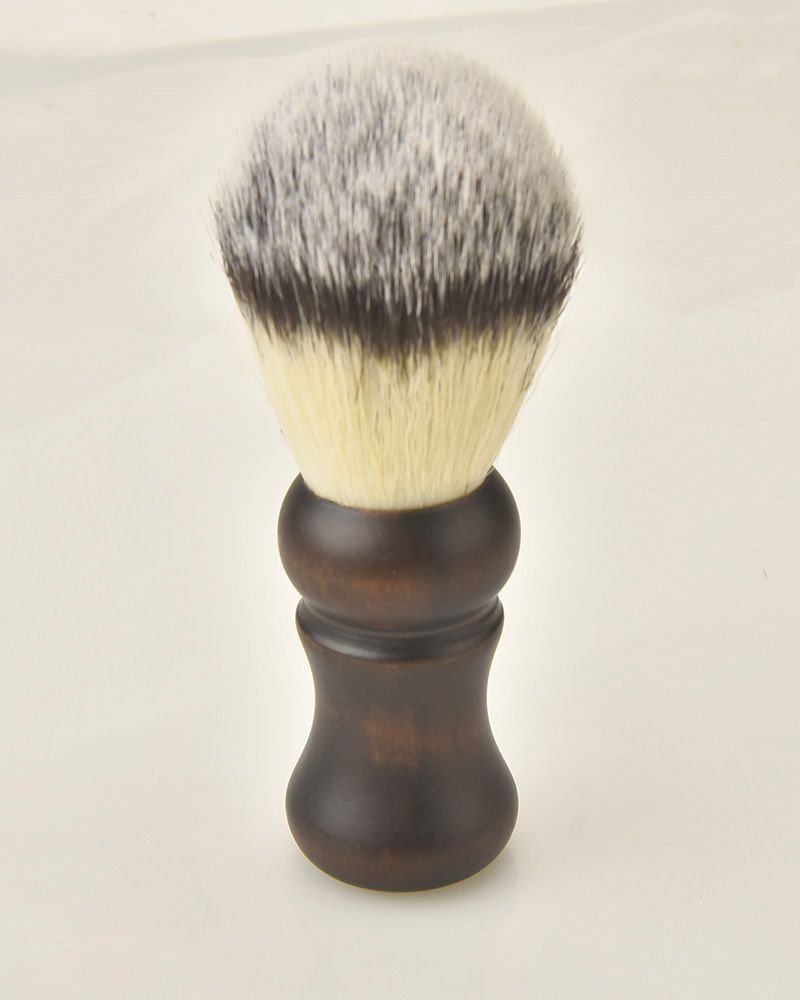
To effectively leverage reviews, it’s critical to identify recurring themes. Three key areas consistently emerge:
1. Bristle Quality: The heart of any shaving brush, bristles are often the focus of feedback. Customers critique softness (too harsh vs. too limp), durability (shedding after a few uses), and material type (synthetic vs. natural, like badger or boar hair). A review might state, “Synthetic bristles felt scratchy on sensitive skin,” signaling a need to test gentler synthetic blends or refine bristle density.
2. Handle Design: Ergonomics matter. Reviews frequently mention grip (slippery when wet), weight (too heavy for prolonged use), and aesthetics (clunky vs. sleek). A user might note, “The handle is stylish but hard to hold during lathering,” pointing to opportunities for textured grips or balanced weight distribution.
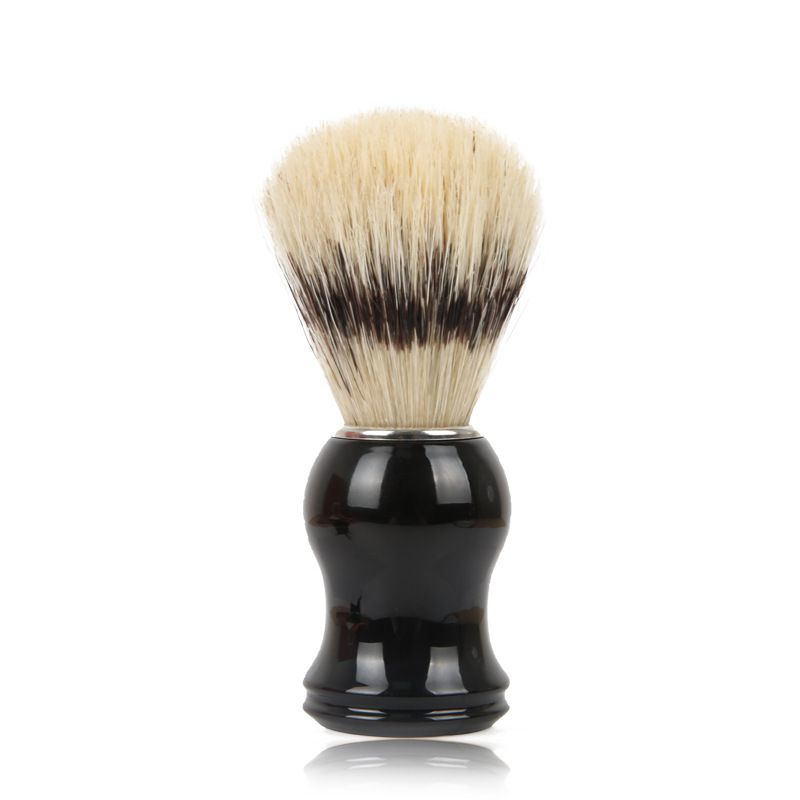
3. Overall Performance: Lather generation, ease of cleaning, and drying time are make-or-break factors. A common positive comment: “Creates a rich lather in seconds,” while a negative one might read, “Takes forever to dry, leading to mildew.” These insights can drive tweaks in bristle structure (e.g., hollow vs. solid cores) or handle ventilation.
From Feedback to Action: A Data-Driven Approach
Analyzing reviews requires more than reading comments—it demands structured data collection and prioritization. Start by aggregating reviews across platforms, then categorize feedback into “critical issues” (e.g., bristle shedding), “minor improvements” (e.g., handle color options), and “positive reinforcement” (e.g., praised lather quality). Quantify trends: If 30% of reviews mention “stiff bristles,” this becomes a top priority.
Next, cross-reference feedback with product specifications. For instance, if customers complain about shedding, examine bristle attachment methods (hand-tied vs. machine-glued) or bristle quality control processes. For handle grip issues, test materials like rubberized coatings or contoured shapes with a focus group. Importantly, iterate quickly: Launch small-batch prototypes of improved brushes, then monitor new reviews to validate changes. This closed-loop process ensures improvements are customer-centric, not just theoretical.
The Competitive Edge: Building Loyalty Through Listening
In an industry where brand loyalty hinges on trust, acting on customer feedback fosters connection. When users see their suggestions reflected in updated products—whether a softer bristle blend or a redesigned handle—they feel heard, turning casual buyers into advocates. Moreover, transparent communication about improvements (e.g., “New soft-touch synthetic bristles based on your feedback”) strengthens brand credibility.
Conclusion
Online reviews are no longer just a post-purchase formality; they’re a roadmap for shaving brush manufacturers. By rigorously analyzing customer feedback, identifying key pain points, and translating insights into tangible product upgrades, brands can create brushes that don’t just meet expectations but exceed them. In the end, the shaving brush that wins is the one that listens—and adapts.


