

North American Beauty Market Sees Strong Growth in Hypoallergenic Makeup Brushes
North American Beauty Market Booms: Hypoallergenic Makeup Brushes Lead Growth Amid Sensitive Skin Demand
The North American beauty market is experiencing a notable surge, with hypoallergenic makeup brushes emerging as a key growth driver. Recent industry reports indicate that the segment grew by 12.3% in 2023, outpacing the overall makeup tool market’s 7.8% expansion. This rapid growth reflects a shifting consumer landscape, where sensitivity and safety have become non-negotiable factors in beauty purchasing decisions.
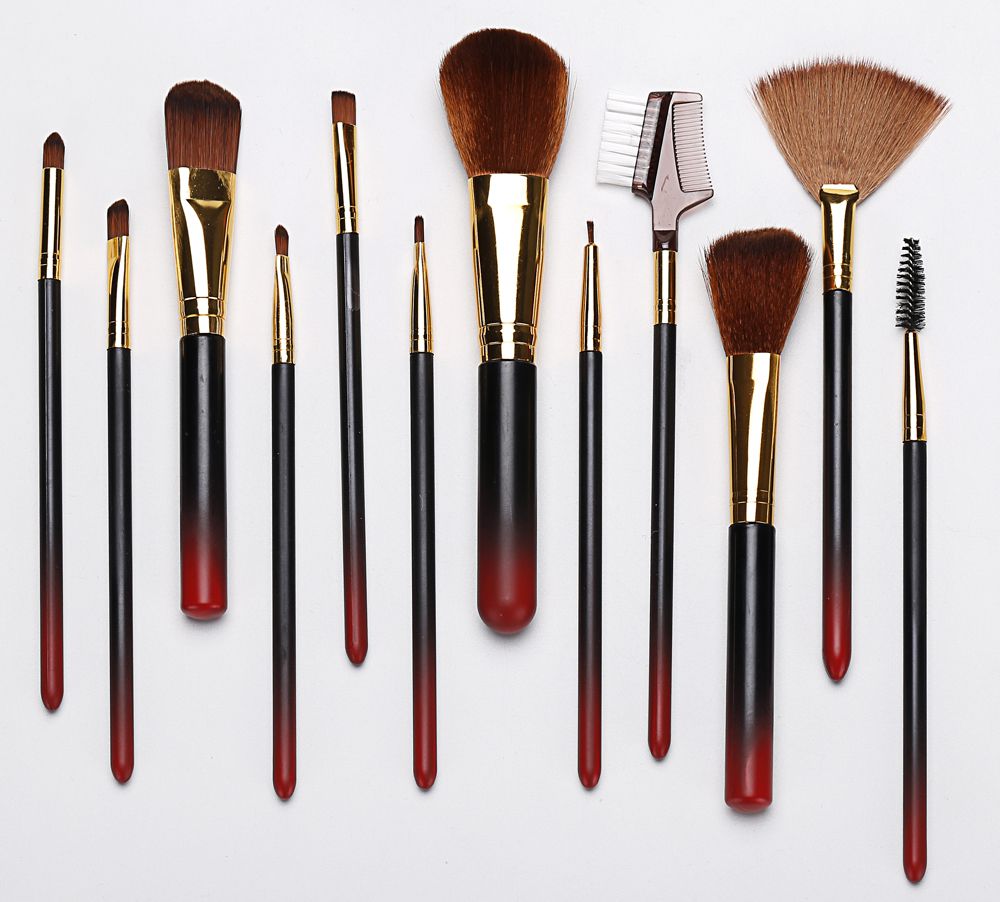
A primary catalyst behind this trend is the rising prevalence of sensitive skin among North American consumers. Studies show that approximately 20% of adults in the U.S. and Canada report skin sensitivities, with reactions to traditional makeup tools—often made with animal hair or harsh synthetic fibers—being a common complaint. Animal hair brushes, while prized for softness, can harbor allergens like dander or residual chemicals from processing, triggering redness, itching, or breakouts. In contrast, hypoallergenic brushes are engineered to minimize such risks, making them a go-to choice for both sensitive skin users and the broader clean beauty movement.
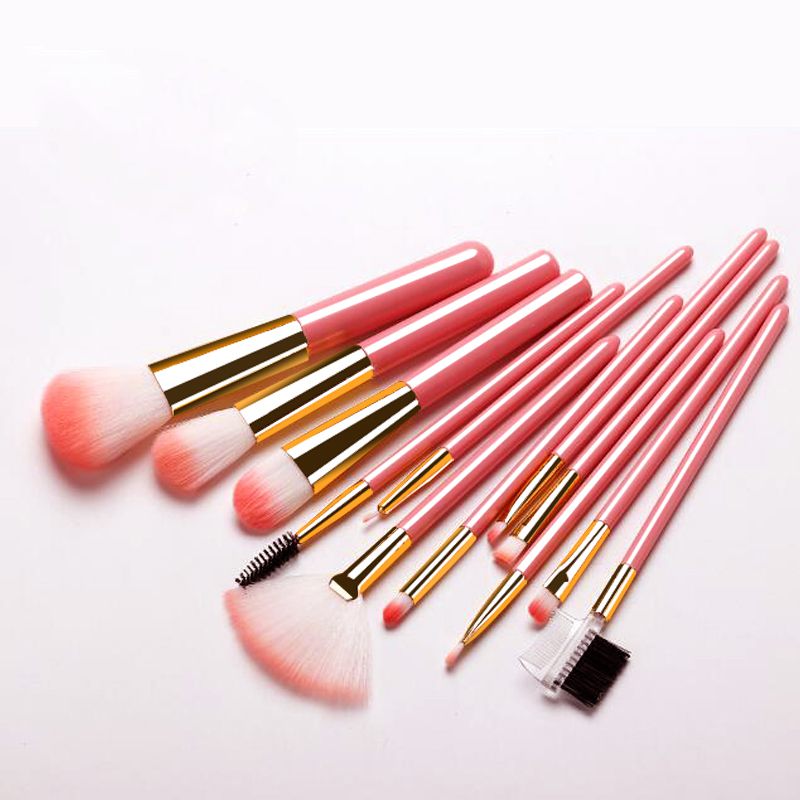
Technological innovation in brush materials has been instrumental in fueling this growth. Leading manufacturers, including specialized producers from global hubs like China, are increasingly adopting advanced synthetic fibers such as PBT (polybutylene terephthalate) and modified PET (polyethylene terephthalate). These materials offer several advantages: they are non-porous, reducing allergen retention; ultra-soft, mimicking the feel of high-quality animal hair; and resistant to shedding, ensuring longevity. Additionally, many hypoallergenic brushes now incorporate antimicrobial coatings, further lowering the risk of bacterial buildup—a critical feature for consumers prioritizing hygiene.
The clean beauty trend, which emphasizes transparency and toxin-free formulations, has also played a pivotal role. North American consumers are increasingly scrutinizing product labels, seeking brushes free from irritants like formaldehyde-releasing preservatives, heavy metals, or fragrances. Brands that highlight “hypoallergenic,” “dermatologist-tested,” or “vegan” credentials are gaining market share, with retailers like Sephora and Ulta dedicating dedicated sections to such products. Even mass-market brands, once slow to adapt, are launching hypoallergenic lines to tap into this demand, with private-label options seeing particularly strong sales growth.
Market dynamics are also shaped by evolving consumer behavior post-pandemic. With more time spent at home and a focus on self-care, consumers are investing in higher-quality tools that deliver both performance and safety. Social media has amplified this shift, with beauty influencers and dermatologists alike recommending hypoallergenic brushes as essential for maintaining skin health. User-generated , featuring before-and-after results of switching to sensitive-skin-friendly tools, has driven viral interest, further boosting category visibility.
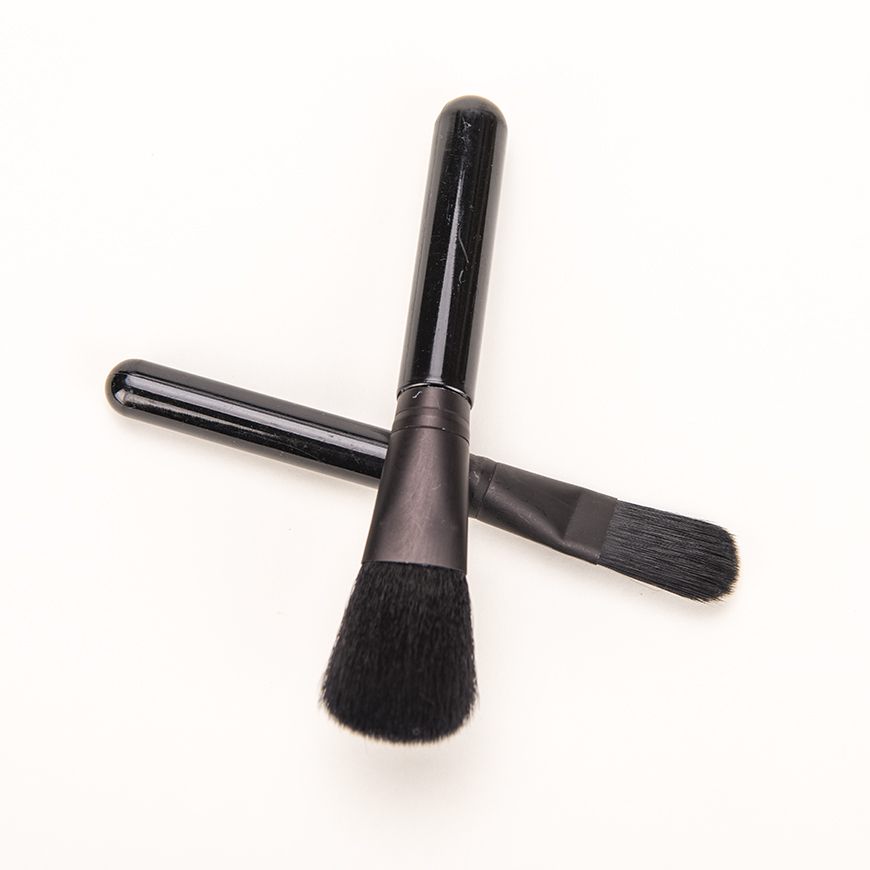
Looking ahead, the hypoallergenic makeup brush market is poised for sustained growth. Projections suggest a CAGR of 11.5% through 2028, driven by ongoing product innovation—such as customizable brush sets for specific sensitivity levels—and expanding distribution channels, including e-commerce platforms that cater to niche consumer needs. For manufacturers, the key to success lies in balancing technical excellence (e.g., advanced fiber engineering) with consumer-centric messaging, emphasizing not just “hypoallergenic” as a buzzword, but as a tangible solution to real skin concerns. As North America’s beauty consumers continue to prioritize health and safety, hypoallergenic brushes are set to remain a cornerstone of the industry’s growth story.


