

Consumers Show Growing Interest in Transparent Bristle Sourcing Information
Consumers Demand Transparency: The Rise of Interest in Bristle Sourcing for Makeup Brushes
In recent years, the beauty industry has witnessed a notable shift in consumer priorities, with a growing focus on transparency—especially when it comes to the sourcing of makeup brush bristles. A 2023 survey by Global Beauty Insights revealed that 68% of consumers now actively seek information about the origin and production of brush bristles before making a purchase, marking a 22% increase from 2020. This surge in interest is reshaping how brands approach product development and communication, as shoppers increasingly link product ethics to their purchasing decisions.
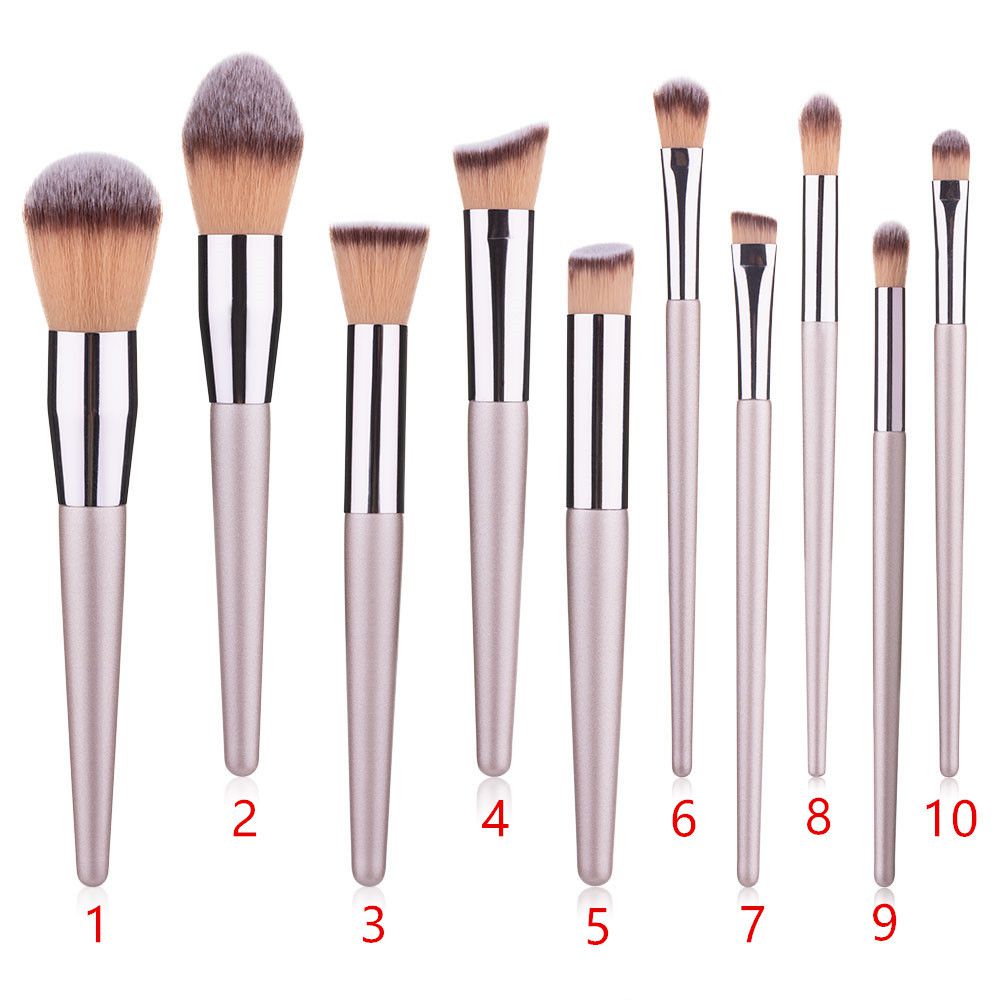
Several key factors are driving this demand. First, environmental consciousness plays a significant role. Modern consumers are more aware of the environmental impact of manufacturing processes, from raw material extraction to waste generation. For makeup brushes, the sourcing of bristles—whether synthetic, natural animal hair, or plant-based—directly affects a product’s carbon footprint. For example, synthetic bristles derived from non-recyclable plastics raise concerns about long-term environmental harm, while sustainably harvested plant fibers or recycled synthetic materials are viewed as more eco-friendly options.
Ethical considerations are another major driver. Animal welfare has become a focal point, with consumers avoiding brushes made from animal hair unless sourced from cruelty-free, ethical farms. A 2024 report by the Ethical Beauty Coalition found that 73% of respondents would pay 10-15% more for brushes labeled “cruelty-free” with verifiable sourcing details. This has pushed brands to either switch to synthetic alternatives or provide clear documentation of animal hair origins, such as certificates from humane farming organizations.
Health and safety concerns also contribute to the trend. Consumers are increasingly wary of bristle materials treated with harsh chemicals, which can irritate sensitive skin. Transparent sourcing allows shoppers to verify that bristles are free from harmful substances like formaldehyde or heavy metals, ensuring the product is safe for daily use.
Against this backdrop, makeup brush manufacturers are adapting to meet consumer expectations. Forward-thinking brands are now publishing detailed sourcing reports on their websites, outlining the type of bristles used, their country of origin, and the sustainability practices of their suppliers. Some have even adopted blockchain technology to provide real-time traceability: a quick scan of a QR code on the product packaging lets customers track a brush’s bristles from the raw material stage to the final manufacturing process.
For instance, a leading brush brand recently launched a “Bristle Journey” feature, where customers can view photos of the supplier’s facilities, read about labor practices, and check certifications for eco-friendly production. This level of transparency has not only boosted customer trust but also increased brand loyalty—sales for the brand rose by 18% within six months of launching the feature.
While the shift toward transparency presents challenges, such as the cost of implementing traceability systems and ensuring supplier compliance, the benefits are clear. Brands that prioritize bristle sourcing transparency are better positioned to attract eco-conscious, ethically minded consumers, differentiate themselves in a competitive market, and build long-term relationships with their audience.
As consumer awareness continues to grow, transparency in bristle sourcing is no longer a niche trend but a critical business imperative. For manufacturers, embracing this shift means not only meeting customer demands but also contributing to a more sustainable and ethical beauty industry.


