

Performance Evaluation of Bristle Materials in High-Humidity Environments
Performance Evaluation of Bristle Materials in High-Humidity Environments: Key Factors for Makeup Brush Durability and User Experience
High-humidity environments, common in tropical regions, bathroom settings, or seasonal monsoons, pose unique challenges to makeup brush bristle performance. From bristle deformation and reduced elasticity to microbial growth and premature wear, the impact of moisture can significantly compromise user experience and product lifespan. This explores the critical performance metrics of popular bristle materials—synthetic (nylon, PBT), natural (animal hair), and hybrid blends—under high-humidity conditions, highlighting testing methods and material selection strategies for manufacturers and brands.
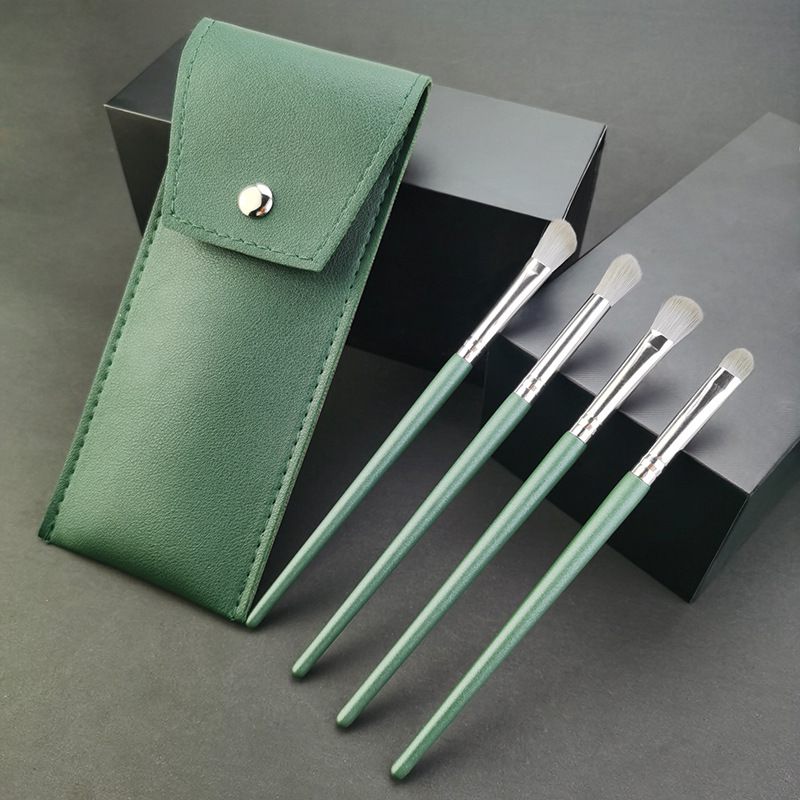
Synthetic Bristles: Resilience in Moisture
Synthetic materials like nylon (PA6, PA66) and PBT (polybutylene terephthalate) dominate the market for their cost-effectiveness and versatility. In high humidity, nylon bristles exhibit strong water resistance, with minimal swelling compared to natural fibers. A 2023 industry study found that nylon-66 bristles retained 90% of their original elasticity after 500 hours in 85% relative humidity (RH), outperforming untreated natural hair by 35%. PBT, known for its heat resistance, further enhances durability: its low moisture absorption rate (<0.5%) prevents bristle clumping, a common issue in humid storage. However, uncoated synthetic bristles may lack the softness of natural hair, requiring surface modification (e.g., silicone coating) to mimic a smoother texture without sacrificing moisture resistance.
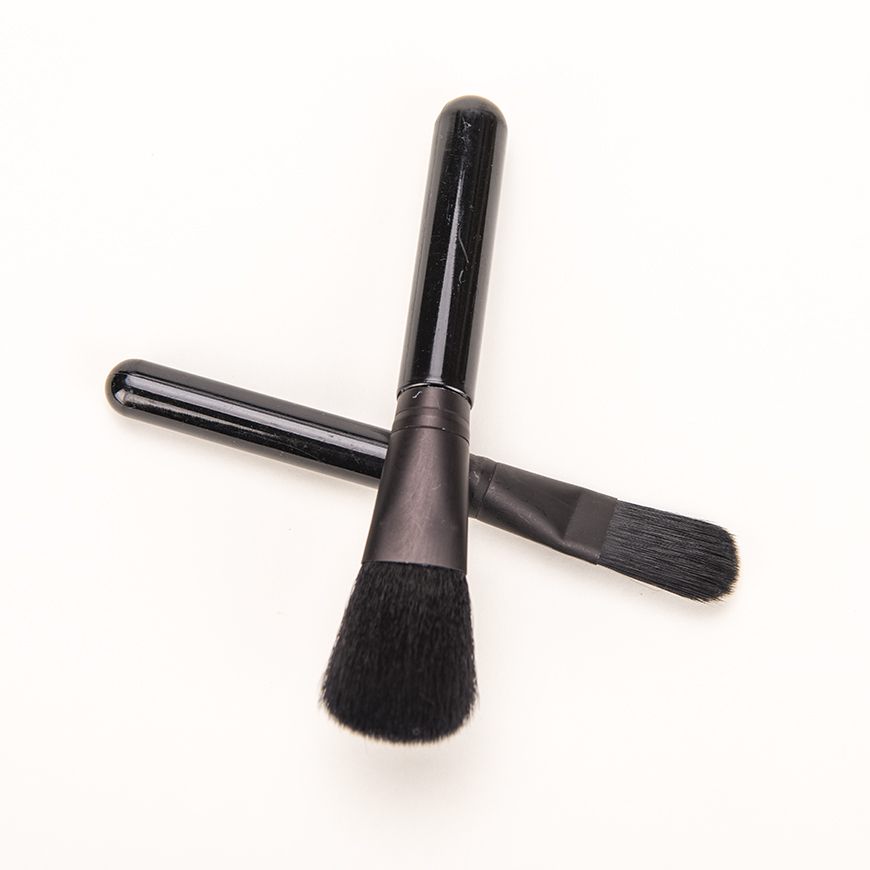
Natural Bristles: Challenges and Mitigation
Natural bristles, such as goat hair or squirrel hair, are prized for their superior powder pickup and blendability but struggle in high humidity. Their porous structure absorbs moisture, leading to swelling (up to 15% volume increase in 90% RH) and loss of shape. Additionally, trapped moisture creates a breeding ground for mold and bacteria, raising hygiene concerns. To address this, manufacturers now use hydrophobic treatments (e.g., beeswax coating) or plasma surface modification to reduce water absorption by 40–50%. A case study from a leading brush brand showed that treated goat hair brushes maintained 75% of their original softness after 3 months of bathroom use, compared to 45% for untreated samples. Despite these improvements, natural bristles remain less durable than synthetics in prolonged high humidity, making them better suited for low-moisture markets or occasional use.
Hybrid Blends: Balancing Performance
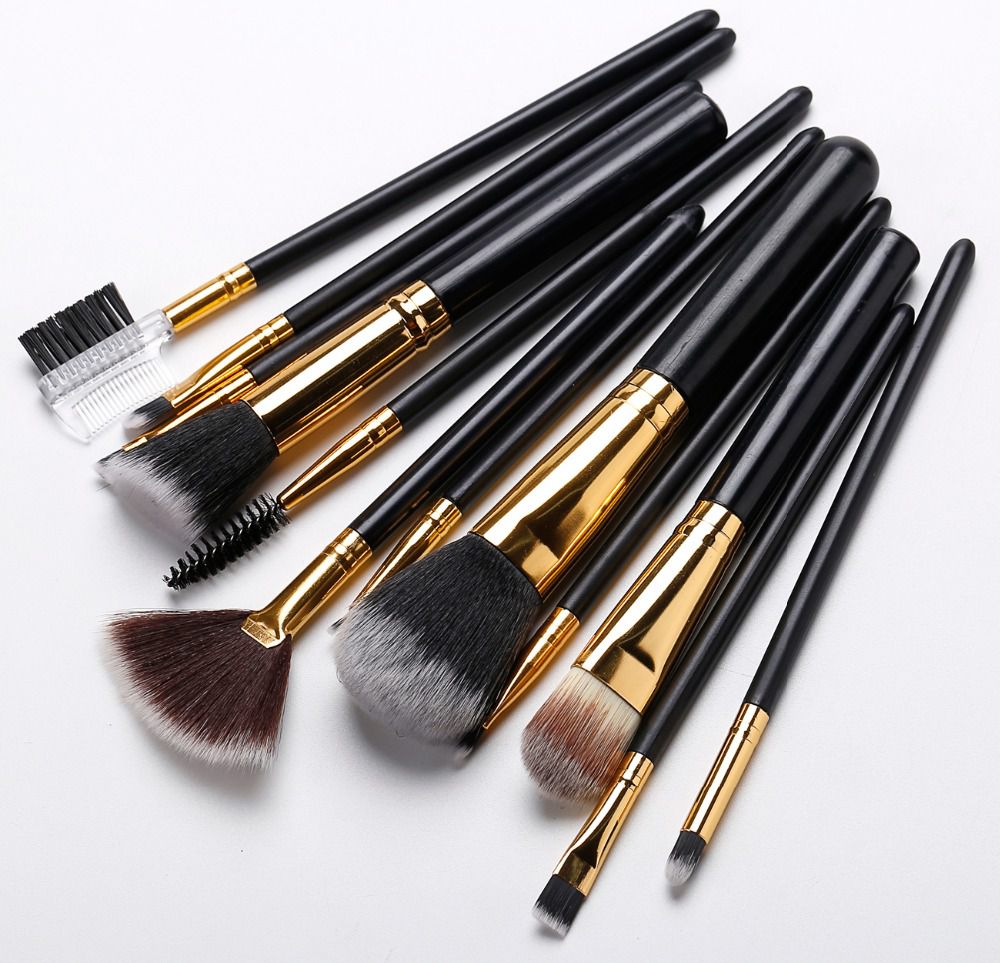
Hybrid bristles, combining synthetic and natural fibers, aim to merge the best of both worlds. For example, a 70% nylon-30% squirrel hair blend tested in 80% RH showed 82% elasticity retention (close to pure nylon) while improving powder adherence by 20% compared to all-synthetic brushes. The natural fibers add softness, while synthetics provide structural stability. However, blend ratios are critical: too much natural fiber can negate moisture resistance, while excessive synthetics may compromise texture. Manufacturers must optimize ratios based on target market humidity levels—e.g., 80% synthetic for tropical regions vs. 50% for temperate zones.
Testing Protocols for High-Humidity Performance
Accurate evaluation requires standardized testing:
1. Humidity Cycling Test: Exposing bristles to 90% RH at 30°C for 24 hours, followed by 40% RH at 25°C for 24 hours, repeated 10 times to simulate seasonal or bathroom humidity fluctuations.
2. Water Absorption Measurement: Weighing dry bristles, soaking them in water for 1 hour, then reweighing to calculate moisture uptake (synthetics typically absorb<2%, natural hair >10%).
3. Mechanical Durability: Using a bristle flex tester to measure elasticity loss after 10,000 cycles in high humidity; acceptable loss is<20% for premium brushes.
4. Antimicrobial Assay: Inoculating bristle samples with Aspergillus niger (a common mold) and monitoring growth over 7 days; treated materials should show >90% inhibition.
Industry Trends and Future Directions
Consumer demand for long-lasting, hygienic brushes is driving innovation. Brands are increasingly specifying "humidity-resistant" materials, with synthetic blends and treated natural fibers gaining traction. Emerging technologies, such as nanocoating (e.g., TiO₂ nanops for antimicrobial properties) and biodegradable synthetics (e.g., PLA-based bristles with moisture-resistant additives), are set to redefine performance standards. For manufacturers, aligning material selection with regional humidity data—


