

Eco-Friendly Brush Packaging Promotes Recyclable Bristle Fiber Promotion
Eco-Friendly Brush Packaging: Driving Recyclable Bristle Fiber Adoption in the Beauty Industry
The global beauty industry is undergoing a profound shift toward sustainability, with consumers and brands alike prioritizing eco-conscious practices. Among the key focus areas is the transformation of makeup brush production—specifically, the dual advancement of eco-friendly packaging and recyclable bristle fibers. This synergy is not merely a trend but a strategic response to mounting environmental concerns and evolving consumer expectations.
Traditional makeup brush packaging has long relied on non-biodegradable plastics, excessive layers, and single-use materials, contributing to the 120 billion packaging units the beauty industry generates annually, as reported by the Ellen MacArthur Foundation. In contrast, modern eco-friendly packaging solutions are redefining this landscape. Brands are increasingly adopting materials like mushroom mycelium foam (a byproduct of agricultural waste), sugarcane fiber, and recycled cardboard, which decompose naturally or enter closed-loop recycling systems. These materials not only reduce carbon footprints but also serve as tangible proof of a brand’s commitment to sustainability, a factor 73% of global consumers cite as influential in purchasing decisions, according to Nielsen’s 2023 Sustainability Report.
Parallel to packaging innovation is the development of recyclable bristle fibers. Conventional brush bristles, typically made from virgin nylon or polyester, are derived from fossil fuels and persist in landfills for centuries. Recyclable alternatives, however, are changing the game. Materials such as recycled PET (rPET), sourced from post-consumer plastic bottles, and PLA (polylactic acid), a plant-based polymer, offer comparable performance—softness, durability, and powder-retention—while minimizing environmental impact. For instance, rPET bristles reduce reliance on crude oil by up to 70% and cut carbon emissions by 40% compared to virgin nylon, according to a study by the Sustainable Packaging Coalition.
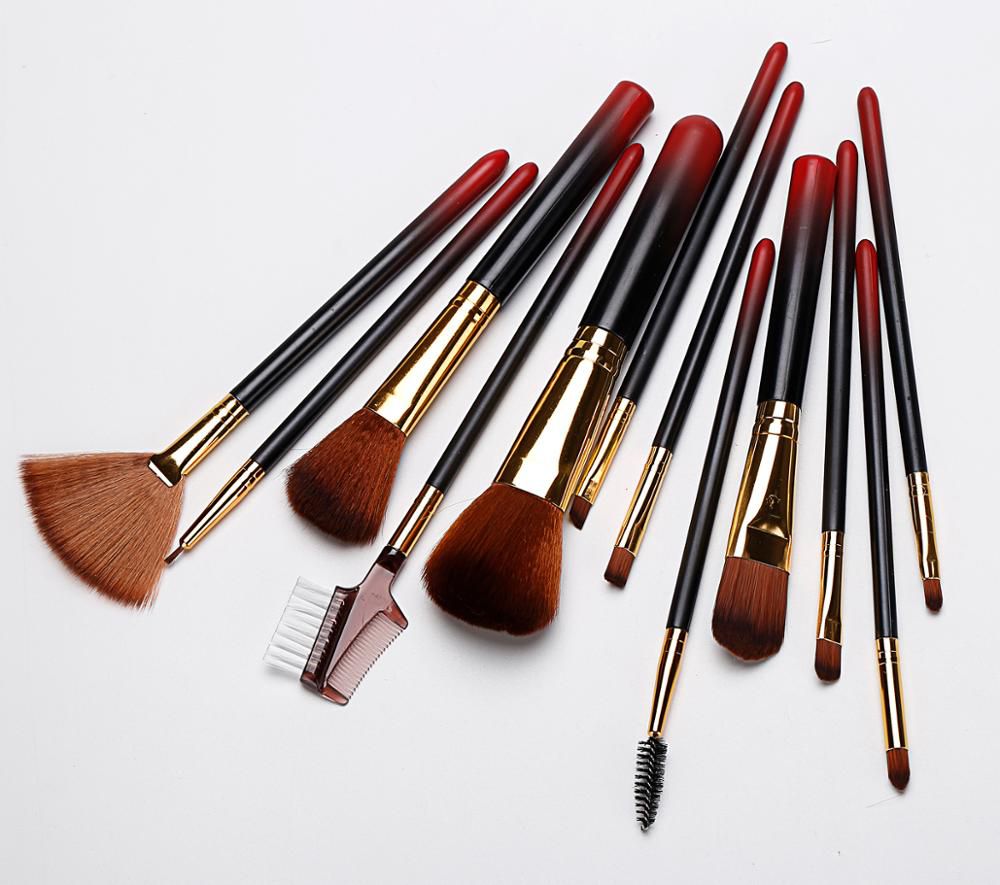
The connection between eco-friendly packaging and recyclable bristle fibers is symbiotic. Packaging acts as the first touchpoint for consumers, signaling a brand’s sustainability ethos. When paired with recyclable bristles, it creates a holistic eco-story that builds trust and drives adoption. A 2024 survey by Mintel found that 68% of beauty buyers are more likely to purchase a brush set if both the packaging and bristles are labeled “recyclable” or “biodegradable,” viewing the combination as a genuine commitment rather than “greenwashing.”
Moreover, this dual approach addresses supply chain efficiency. Brands that invest in sustainable packaging often streamline logistics—lighter, compostable materials reduce shipping costs and emissions—while recyclable bristle production can integrate waste streams (e.g., repurposing plastic bottles), lowering raw material expenses. For manufacturers, this means not only meeting regulatory demands (such as the EU’s Plastic Packaging Tax) but also tapping into a $15 billion market for sustainable beauty tools, projected by Grand View Research to grow at 12.5% CAGR through 2030.
Challenges remain, including scaling recyclable fiber production to meet demand and educating consumers on proper disposal (e.g., separating bristles from handles for recycling). However, industry leaders are already pioneering solutions: some brands offer take-back programs for used brushes, ensuring bristles are recycled into new products, while others use QR codes on packaging to guide consumers on eco-friendly care.
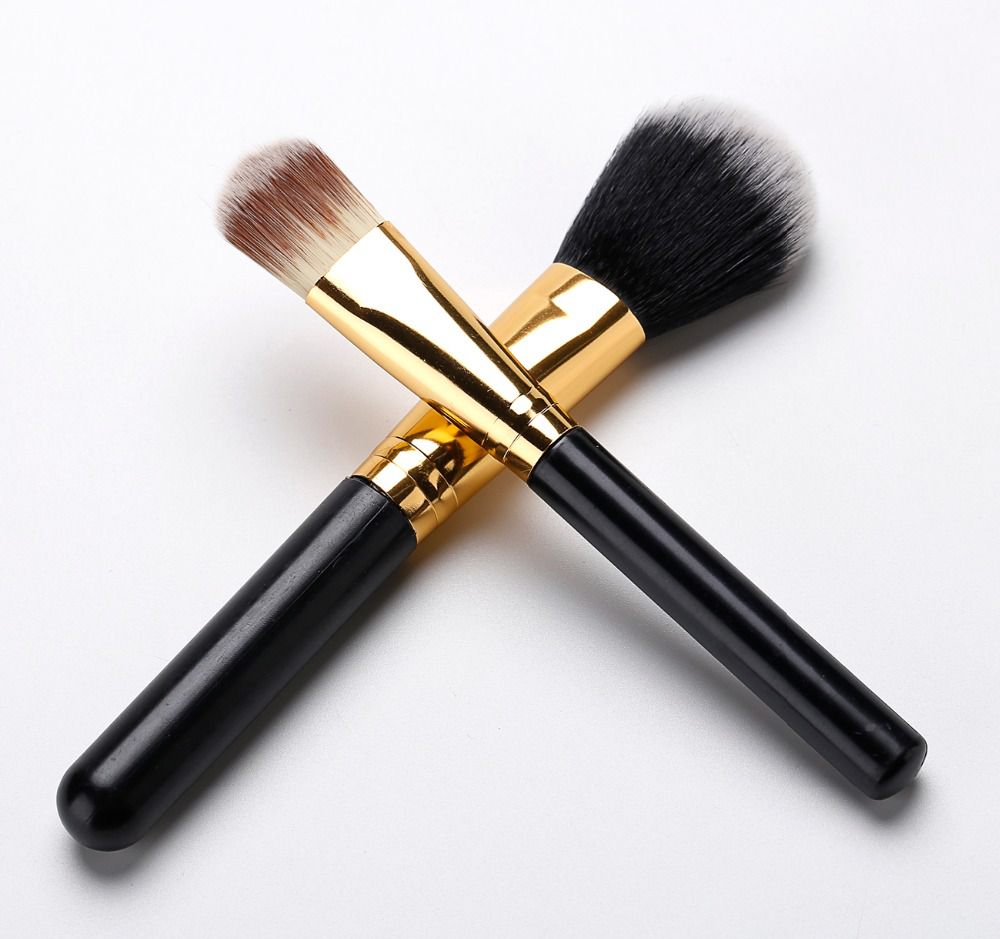
In essence, eco-friendly brush packaging is more than a marketing tool—it is a catalyst for the widespread adoption of recyclable bristle fibers. By aligning packaging innovation with sustainable material science, the beauty industry is not only reducing its environmental footprint but also setting a new standard for responsible consumption. As this trend accelerates, brands that prioritize both elements will lead the charge toward a greener, more circular future.


