

Numerical Simulation of Bristle Flow Field in Powder Application Process
Numerical Simulation: Enhancing Powder Application Precision Through Bristle Flow Field Analysis
In the cosmetics industry, the quality of powder application—whether for setting powders, blushes, or bronzers—depends heavily on the interaction between brush bristles and powder ps. Achieving uniform coverage, minimal fallout, and a smooth finish requires precise control over how bristles disperse, carry, and release powder. Traditional methods, such as physical testing and trial-and-error prototyping, are costly and time-consuming, often limiting the ability to optimize bristle design efficiently. This is where numerical simulation of the bristle flow field emerges as a transformative tool, offering insights into the complex dynamics of powder application and driving innovation in cosmetic brush engineering.
Numerical simulation, primarily leveraging Computational Fluid Dynamics (CFD) and Finite Element Analysis (FEA), models the behavior of bristle arrays and powder ps under real-world application conditions. Key parameters include bristle material properties (elastic modulus, density, and flexibility), bristle geometry (length, diameter, and spacing), powder characteristics (p size, density, and cohesion), and application dynamics (brush velocity, angle, and pressure against the skin). By simulating these variables, engineers can visualize airflow patterns, bristle deformation, and powder trajectory—critical factors that determine application performance.
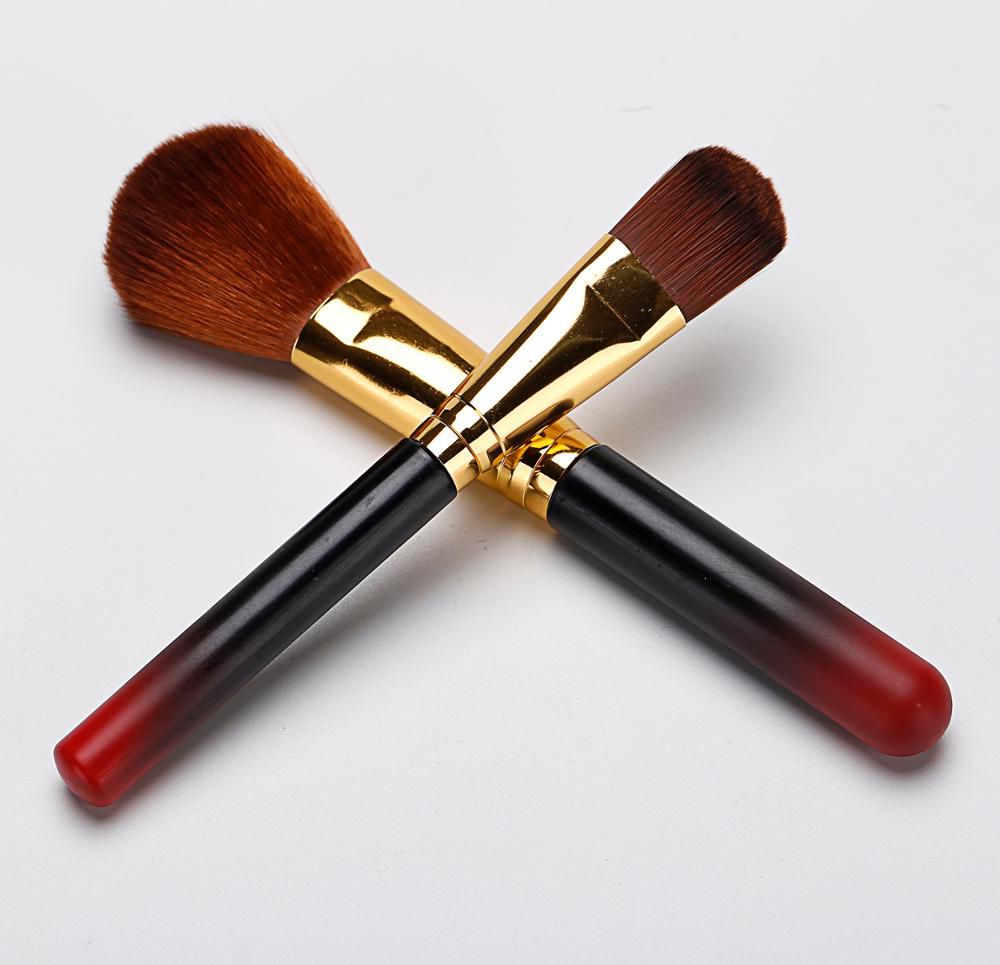
A core advantage of this technology lies in its ability to isolate and analyze individual variables. For instance, bristle flexibility directly impacts how the brush conforms to skin contours: stiffer bristles may retain more powder but risk uneven distribution, while softer bristles bend to follow curves but might release powder too quickly. Simulation quantifies this trade-off, enabling the design of hybrid bristle mixes (e.g., a blend of 60% nylon and 40% taklon) that balance flexibility and powder retention. Similarly, bristle spacing affects airflow: densely packed bristles create a "boundary layer" that traps powder, reducing fallout, while sparse spacing allows better powder release. Through CFD, manufacturers can optimize spacing ratios to target specific application needs—such as high-coverage foundation brushes vs. light-diffusing setting brushes.
Powder p behavior is another critical focus. Cohesive powders (e.g., finely milled blushes) tend to clump, leading to patchy application, while larger, less cohesive ps (e.g., mineral powders) may fallout excessively. Simulation models interp forces and collision dynamics, predicting how bristle movement breaks up clumps or retains ps. For example, a recent simulation for a luxury cosmetics brand revealed that a 15° brush angle during application reduces p collision energy by 30%, minimizing clumping and improving evenness—insights that directly informed the brand’s brush redesign.
Beyond design optimization, numerical simulation accelerates product development cycles. Physical testing requires producing multiple prototypes, each with varying bristle configurations, and conducting user trials—processes that can take months. Simulation, by contrast, allows virtual testing of hundreds of configurations in weeks, identifying optimal designs before prototyping. This not only cuts costs but also enables faster response to market trends, such as the growing demand for eco-friendly, cruelty-free bristles (e.g., plant-based fibers) by simulating their performance against traditional materials.
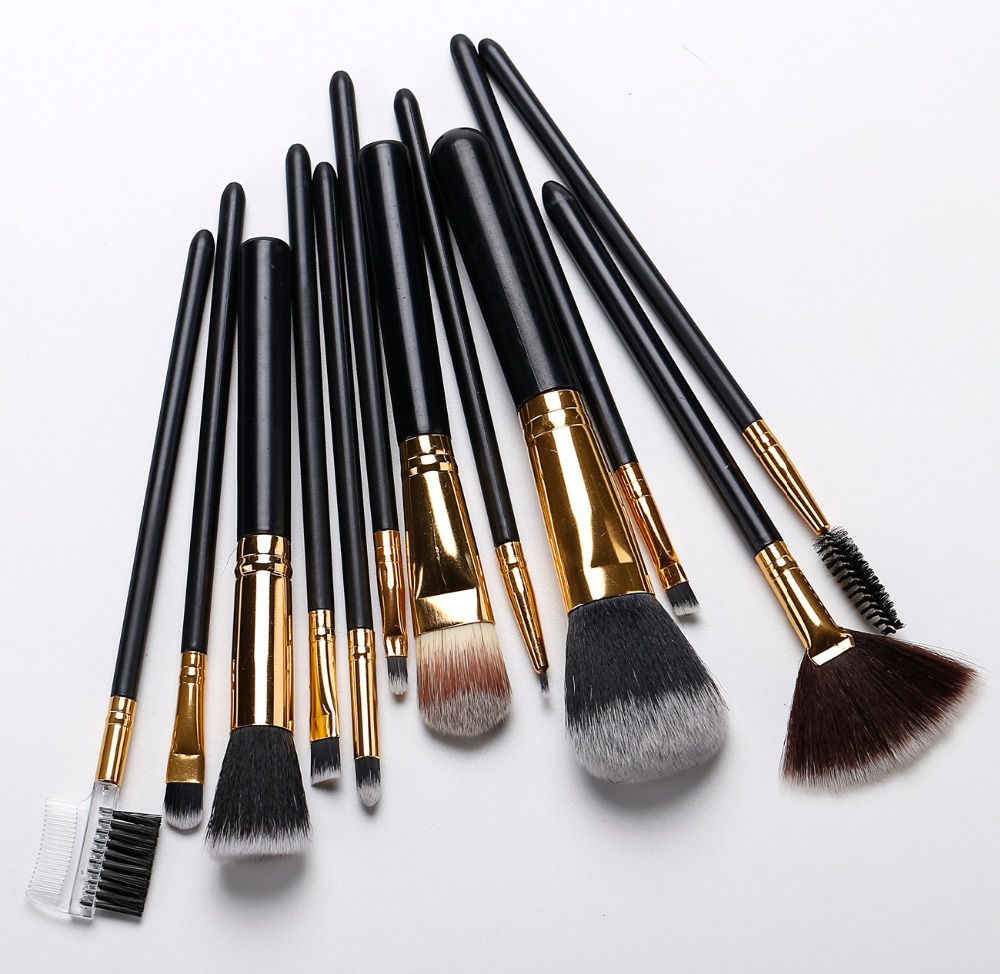
Challenges remain, however. Simulating the interaction between bristles, powder, and the skin—a non-uniform, porous surface—is complex, as skin texture (e.g., pores, fine lines) introduces microscale variations in flow dynamics. Current models often simplify skin as a smooth surface, but advances in multi-physics coupling are addressing this, integrating skin topography data to refine simulations. Additionally, powder p aggregation, influenced by humidity and static charge, requires more sophisticated models to accurately predict real-world behavior.
Looking ahead, the integration of AI and machine learning with numerical simulation holds promise. By training algorithms on simulation data, manufacturers can predict optimal bristle designs for specific powder types or skin conditions in seconds, further streamlining innovation. For cosmetic brush producers, investing in this technology is no longer optional—it is a strategic imperative to deliver high-performance, consumer-centric products in an increasingly competitive market.
In summary, numerical simulation of the bristle flow field is revolutionizing powder application in cosmetics. By unlocking detailed insights into bristle-powder-skin interactions, it empowers manufacturers to design brushes that deliver superior coverage, minimal waste, and enhanced user experience—ultimately setting new standards for quality in the beauty industry.


