

Computer Vision Detection System for Bristle Alignment and Defect Recognition
Computer Vision Detection System: Revolutionizing Bristle Alignment and Defect Recognition in Cosmetic Brush Production
In the cosmetic brush manufacturing industry, bristle quality directly determines product performance and customer satisfaction. From the softness of application to the precision of makeup blending, the alignment and integrity of bristles are non-negotiable. However, traditional bristle inspection—reliant on manual visual checks—has long been plagued by inefficiencies, subjectivity, and high error rates. Enter the computer vision detection system, a technological breakthrough that is transforming bristle alignment and defect recognition, setting new standards for quality control in production.
The Limitations of Traditional Inspection

Manual inspection of bristle alignment and defects is a labor-intensive process. Workers must meticulously check each brush head for irregularities: misaligned bristles that disrupt shape consistency, broken or frayed tips that compromise softness, discolored strands that affect aesthetics, or uneven density that impairs functionality. Human fatigue, varying judgment criteria, and the speed of production lines often lead to missed defects, resulting in subpar products reaching consumers. For manufacturers, this translates to increased rework costs, damaged brand reputation, and lost market share.
How Computer Vision Systems Work
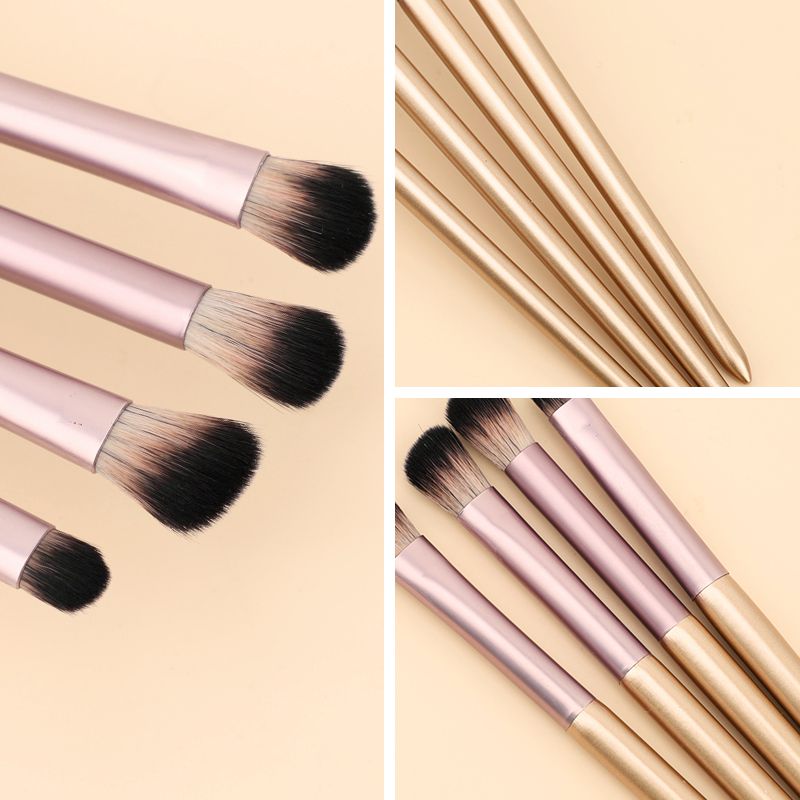
A computer vision detection system for bristle inspection combines high-resolution imaging, advanced algorithms, and real-time processing to automate quality control. Here’s a breakdown of its core components:
1. Image Acquisition: High-speed cameras, often paired with specialized lighting (e.g., LED arrays to reduce shadows), capture detailed images of bristle clusters as they move along the production line. These cameras operate at frame rates tailored to production speed, ensuring no brush head is overlooked.
2. AI-Powered Analysis: Captured images are processed using machine learning models—trained on thousands of defect samples—to identify key parameters:
- Alignment: The system measures bristle angles, spacing, and uniformity to detect misalignment, ensuring the brush head maintains its intended shape (e.g., round, angled, flat).
- Defect Recognition: Algorithms flag anomalies such as broken bristles, split ends, foreign ps, or color deviations by comparing pixel data to pre-set quality benchmarks.
3. Real-Time Feedback: Upon detecting a defect, the system triggers an immediate response—either diverting the faulty product for rework or adjusting production parameters (e.g., bristle feeding speed, trimming tools) to prevent recurrence. This closed-loop control minimizes waste and ensures consistent output.
Advantages for Cosmetic Brush Manufacturers
The adoption of computer vision systems offers tangible benefits:
- Enhanced Accuracy: By eliminating human subjectivity, the system achieves defect detection rates exceeding 99%, far surpassing manual inspection (typically 85-90%). This ensures only high-quality brushes reach the market.
- Increased Efficiency: Cameras process hundreds of brush heads per minute, matching or exceeding production line speeds. This reduces bottlenecks and allows manufacturers to scale output without sacrificing quality.
- Cost Reduction: Fewer defective products mean lower rework and scrap costs. Additionally, automated inspection reduces labor expenses, as fewer workers are needed for quality checks.
- Data-Driven Insights: The system logs inspection data, providing manufacturers with analytics on defect patterns (e.g., common defects, production line hotspots). This data informs process improvements, from bristle material selection to machine maintenance.
Shaping the Future of Cosmetic Brush Production
Beyond immediate quality control, computer vision detection systems are driving the industry toward smarter, more sustainable manufacturing. As AI models continue to learn from new defect types, detection accuracy will improve further. Integration with IoT (Internet of Things) devices could enable predictive maintenance—alerting teams to potential machine issues before they cause defects. For brands competing in a market where precision and consistency are paramount, this technology is not just a tool but a strategic advantage.
In an era where consumers demand perfection, the computer vision detection system is redefining what’s possible in bristle quality control. By merging cutting-edge technology with manufacturing expertise, cosmetic brush producers can deliver products that stand out for their reliability, performance, and attention to detail.


