

Bristle Color Customization Becomes a New Service for High-End Brand Cooperation
Bristle Color Customization Becomes a New Service for High-End Brand Cooperation
In the competitive landscape of high-end cosmetics, brand differentiation has become more critical than ever. As consumers increasingly seek products that align with their personal style and brand loyalty, a new trend is emerging: bristle color customization for cosmetic brushes. This service, once a niche offering, is now becoming a cornerstone of collaboration between brush manufacturers and luxury beauty brands, reshaping product identity and consumer engagement.
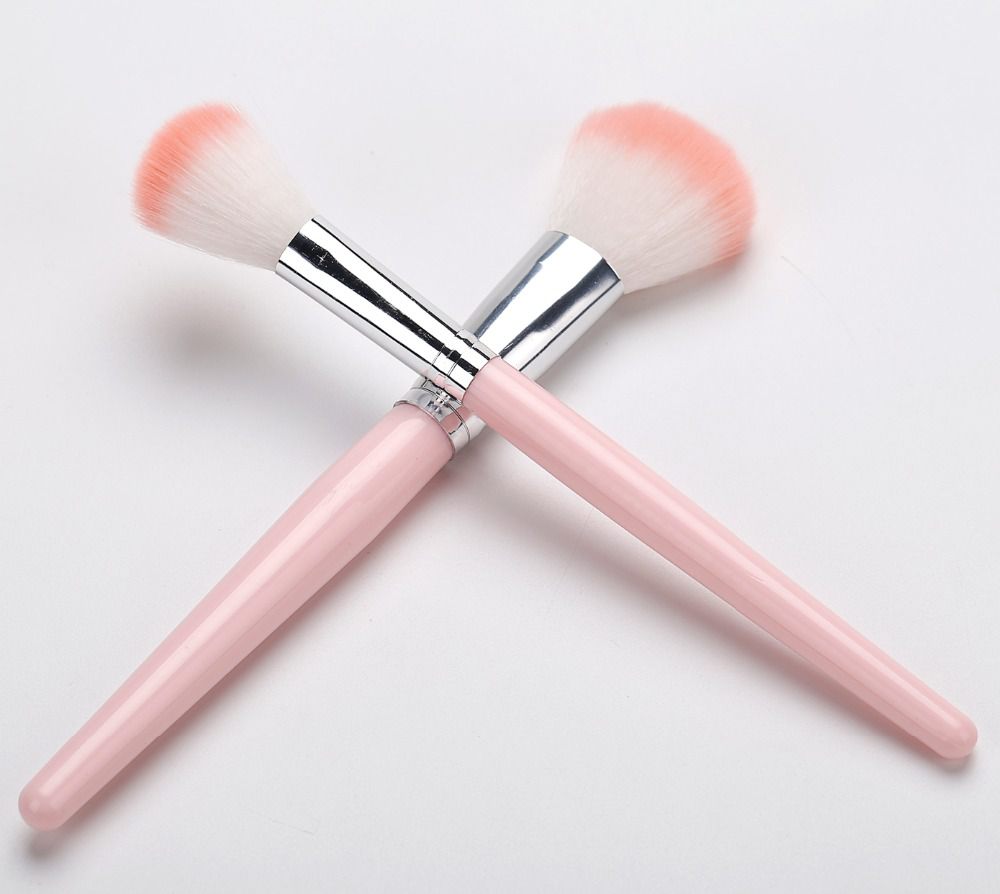
The shift toward bristle color customization is driven by two key factors: evolving consumer demands and the need for brand distinctiveness. Modern beauty consumers, particularly Gen Z and millennials, prioritize uniqueness—68% of luxury beauty buyers surveyed by Cosmetics Business in 2023 cited "exclusive design elements" as a top purchasing factor. Social media platforms like Instagram and TikTok have amplified this trend, where visually striking products gain viral traction. For high-end brands, standard black or white brush bristles no longer suffice; custom colors allow them to align products with brand aesthetics, from signature logos to seasonal campaigns. For example, a luxury brand known for its iconic rose gold packaging recently launched a limited-edition brush set with rose gold-tinted bristles, resulting in a 40% sales increase compared to its classic line, according to internal brand reports.
Technologically, bristle color customization requires precision and innovation. Unlike surface coatings, which can chip or fade, true color integration demands advanced dyeing techniques that penetrate the bristle fiber. Nylon and synthetic bristles, the most common materials in high-end brushes, present unique challenges: their smooth, non-porous surfaces resist traditional dyes. Manufacturers are now using nano-dyeing technology, where color ps are embedded into the bristle matrix during production, ensuring longevity—tests show these customized bristles retain 95% of their color after 50 washes, far exceeding industry standards. Eco-friendliness is another priority: leading manufacturers are adopting water-based, cruelty-free dyes compliant with EU REACH and FDA regulations, addressing the growing consumer focus on sustainability.
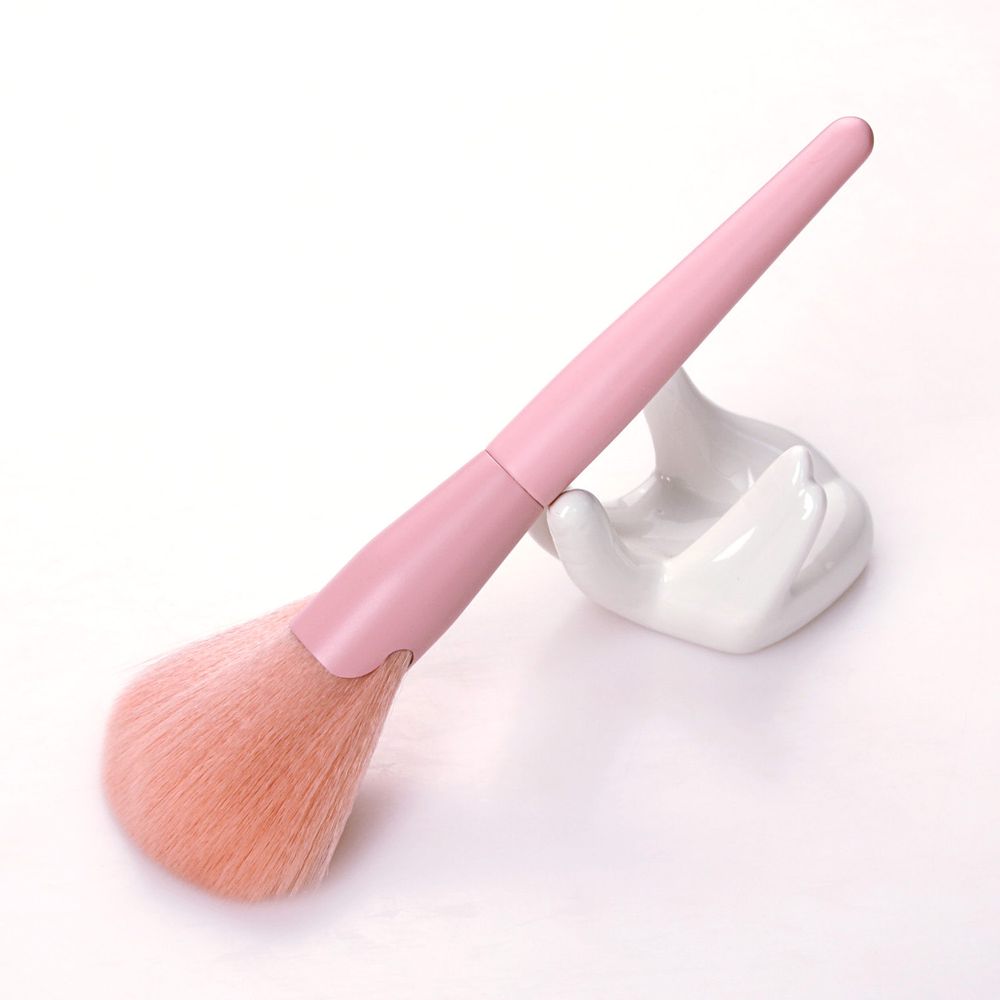
Color matching accuracy is equally crucial. High-end brands often require exact Pantone color codes to align with their visual identity. Digital color-matching systems, paired with AI-driven quality control, now enable manufacturers to achieve precision within ΔE ≤ 1 (a measure of color difference imperceptible to the human eye). This level of accuracy was once reserved for textile or automotive industries but is now standard in brush production, allowing brands to maintain consistency across global product lines.
For manufacturers, offering bristle color customization is not just a service—it’s a strategic move to deepen brand partnerships. By acting as a "creative collaborator" rather than a mere supplier, manufacturers position themselves as integral to a brand’s innovation process. Small-batch flexibility is key here: luxury brands often launch limited editions or seasonal collections, requiring manufacturers to adapt quickly. Advanced production lines with modular dyeing units now allow for runs as small as 500 units, making customization feasible even for niche campaigns.
Looking ahead, bristle color customization is poised to expand beyond solid hues. Brands are exploring gradient effects, metallic finishes, and even color-changing bristles (activated by temperature or UV light) to push creative boundaries. As technology advances, we may see integration with smart beauty tools, where bristle color indicates brush usage or product compatibility.
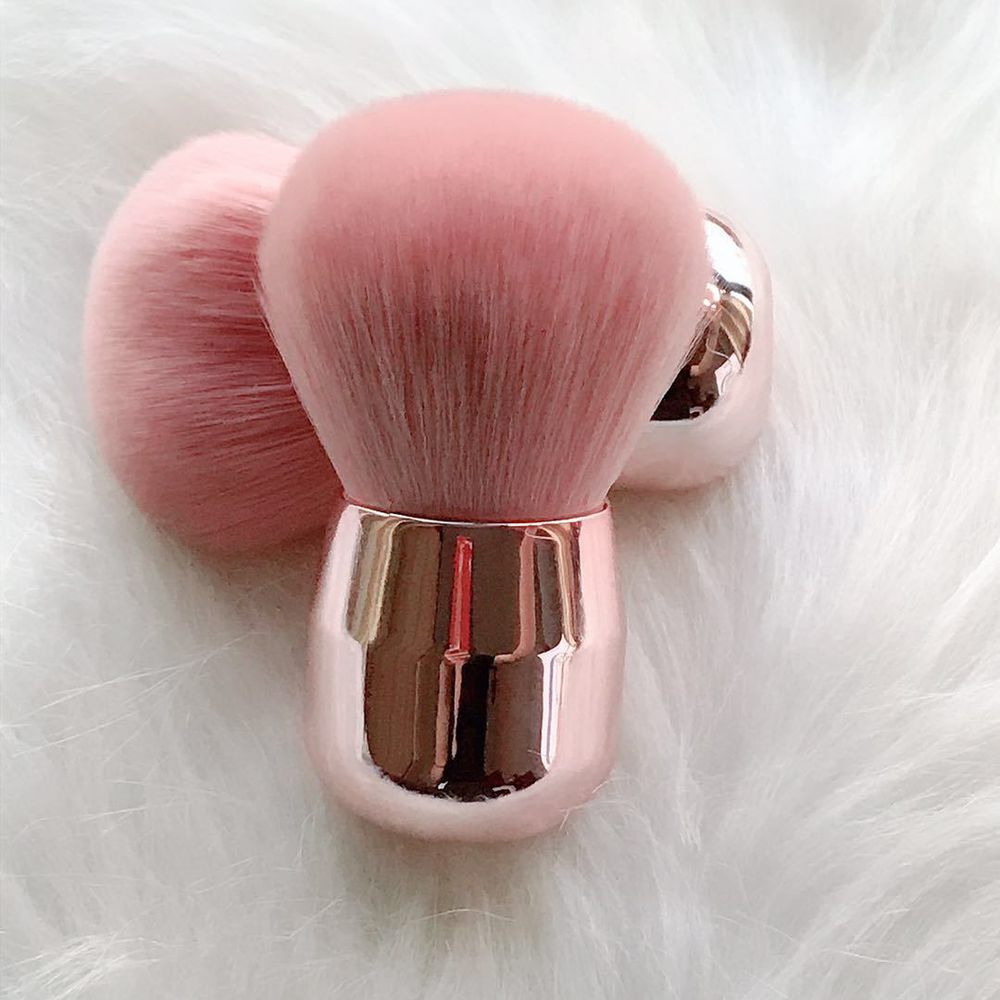
In essence, bristle color customization is more than a cosmetic upgrade—it’s a bridge between technical expertise and brand storytelling. For high-end beauty brands, it’s a way to turn a functional tool into a statement piece, while for manufacturers, it’s a path to long-term collaboration and market leadership. As consumer demand for personalization grows, this service will only become more indispensable in the luxury beauty ecosystem.


