

Online Tutorials Increase Consumer Awareness of Bristle Type Differences
Online Tutorials: Bridging the Gap in Consumer Understanding of Bristle Type Differences
In the fast-paced world of beauty, where makeup tools are as essential as the products themselves, a quiet revolution is unfolding: online tutorials are reshaping how consumers perceive and choose makeup brushes, particularly by demystifying bristle type differences. Once overlooked, the distinction between natural and synthetic bristles, and even variations within these categories, is now a hot topic—thanks to the rise of beauty creators, brand-led educational series, and interactive platforms.
For years, consumers often prioritized brush aesthetics or brand names over bristle quality, unaware that the type of bristle directly impacts makeup application, product compatibility, and even skin health. A 2022 survey by Global Beauty Research found that 53% of makeup brush buyers could not distinguish between natural and synthetic bristles, and 41% admitted choosing brushes based solely on price or design. This knowledge gap left many frustrated with subpar results: patchy foundation,散落的 powder, or irritated skin from harsh fibers.
Enter online tutorials. Platforms like YouTube, TikTok, and Instagram Reels have become classrooms for beauty enthusiasts. Beauty influencers, from macro creators with millions of followers to niche "brush experts," are breaking down bristle science in engaging ways. Take, for example, a viral TikTok series by @BrushWiz, which uses close-up microscopy to show the structural differences between natural squirrel hair (fine, tapered tips for seamless blending) and synthetic polyester (uniform, dense fibers ideal for liquid products). These visuals make abstract concepts tangible: viewers can see why natural bristles hold powder better, while synthetic ones resist product absorption, preventing waste.
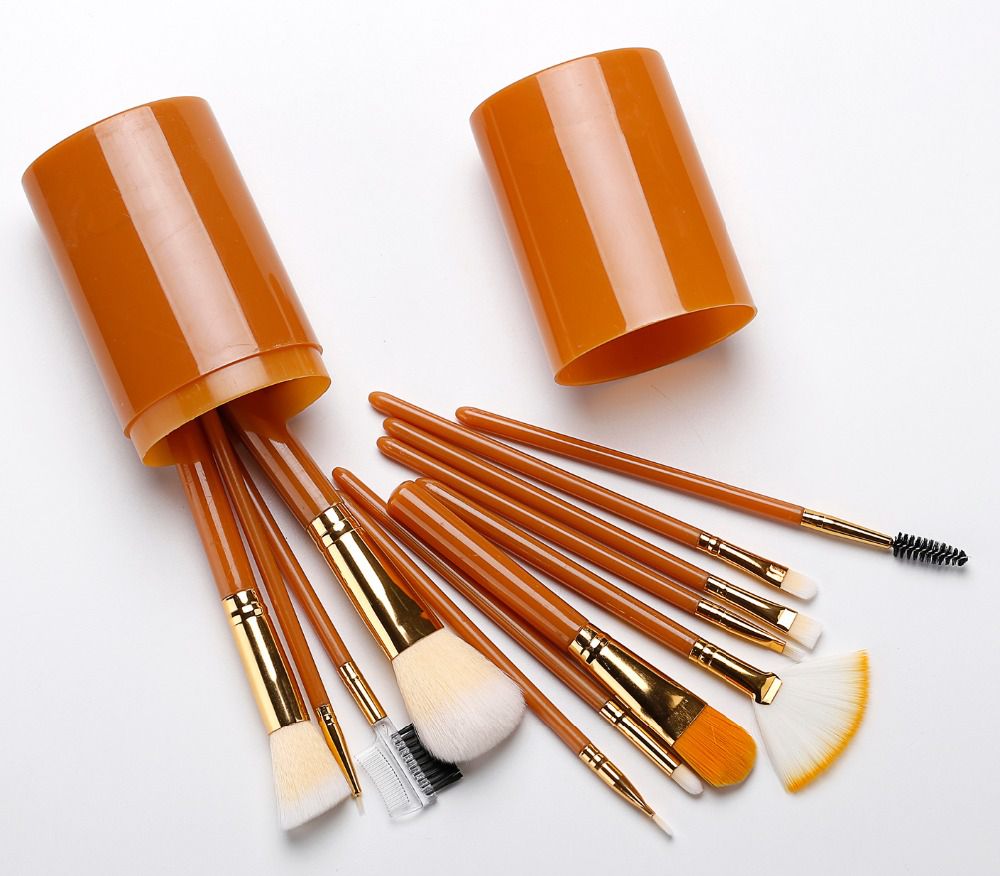
Tutorials also address ethical and practical concerns head-on. As vegan beauty trends grow, creators like @EcoBeautyGuru explain how synthetic bristles (often made from cruelty-free materials like nylon or taklon) cater to eco-conscious consumers, while still delivering performance. They compare natural brushes—sourced from animals like goats or badgers—to synthetic alternatives in side-by-side tests: applying cream blush with a synthetic brush results in smoother, streak-free coverage, while a natural brush may lift product unevenly. Such demonstrations turn "I didn’t know that" into "I need that."
Brands are joining the movement too. Leading makeup brush manufacturers now partner with creators to produce branded tutorials. For instance, a recent collaboration between a brush brand and @ProMakeupArtist involved a live stream where the artist used 10 different bristle types to apply the same eyeshadow palette, highlighting how fiber density (loose vs. dense) affects color payoff. Viewers learned that a loose synthetic brush creates a soft wash of color, while a dense natural brush intensifies pigment—knowledge that directly influences purchase choices.
The impact is measurable. Search data from Google Trends shows a 127% increase in queries like "synthetic vs natural brush bristles" and "best bristle type for foundation" since 2020, coinciding with the surge in tutorial . Consumer behavior is shifting too: a 2023 poll by Beauty Retail Insights found that 78% of buyers now check bristle type descriptions before purchasing, up from 32% in 2019. Brands are responding by upgrading product labels to include detailed bristle specs—"soft synthetic taklon for sensitive skin" or "natural goat hair for powder products"—and launching educational hubs on their websites.
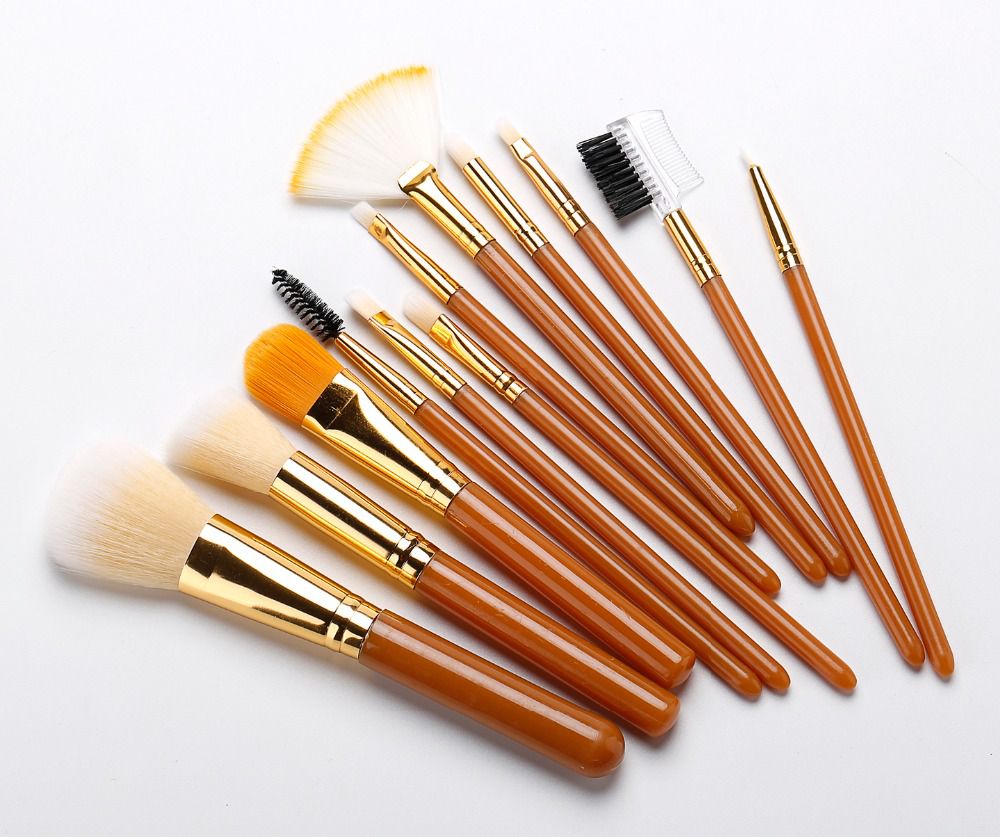
This shift isn’t just about better makeup application; it’s about consumer empowerment. Online tutorials have turned passive shoppers into informed decision-makers, who now demand transparency and functionality. As one comment on a popular brush tutorial read: "I used to buy whatever looked cute, but now I check if the bristles are synthetic—my sensitive skin thanks me!"
Looking ahead, the role of online tutorials in bristle education will only grow. With AI-driven tools enabling personalized (e.g., tutorials tailored to skin type or makeup style) and virtual try-ons showing bristle performance in real time, consumers will gain even deeper insights. For brands, the message is clear: in an era where knowledge is power, educating through tutorials isn’t just marketing—it’s essential to building trust and loyalty.
In the end, online tutorials are more than just how-to guides; they’re bridges connecting technical bristle science to everyday beauty needs. By making the complex simple, they’ve transformed the way we choose, use, and value makeup brushes—one close-up, comparison, and "aha!" moment at a time.


