

Preparation and Antibacterial Properties of Nano-Modified Cosmetic Brush Bristles
Nano-Modified Cosmetic Brush Bristles: Preparation Methods and Antibacterial Efficacy
In the cosmetics industry, the hygiene of tools like cosmetic brushes has become a growing concern for consumers and manufacturers alike. Traditional brush bristles, often made from synthetic fibers or animal hair, tend to harbor bacteria due to their porous structure and repeated exposure to moisture from creams, liquids, and skin oils. This bacterial buildup not only shortens the brush’s lifespan but also poses risks of skin irritation, acne, or even infections. To address this, nano-modified cosmetic brush bristles have emerged as a innovative solution, combining advanced material science with practical antibacterial performance.
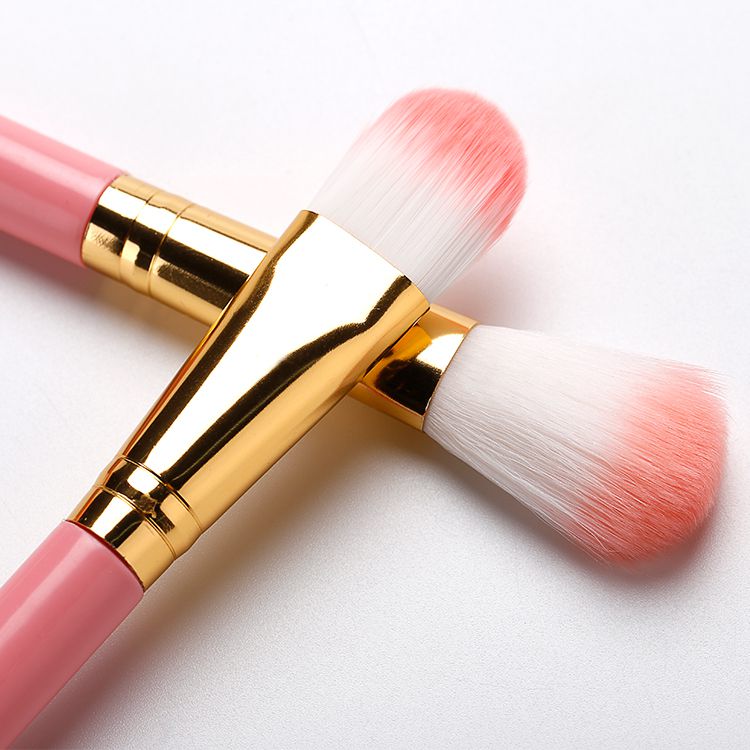
Preparation Methods of Nano-Modified Bristles
The preparation of nano-modified bristles involves integrating nanops into or onto the surface of brush fibers to impart antibacterial properties. Key steps typically include material selection, surface modification, and functionalization.
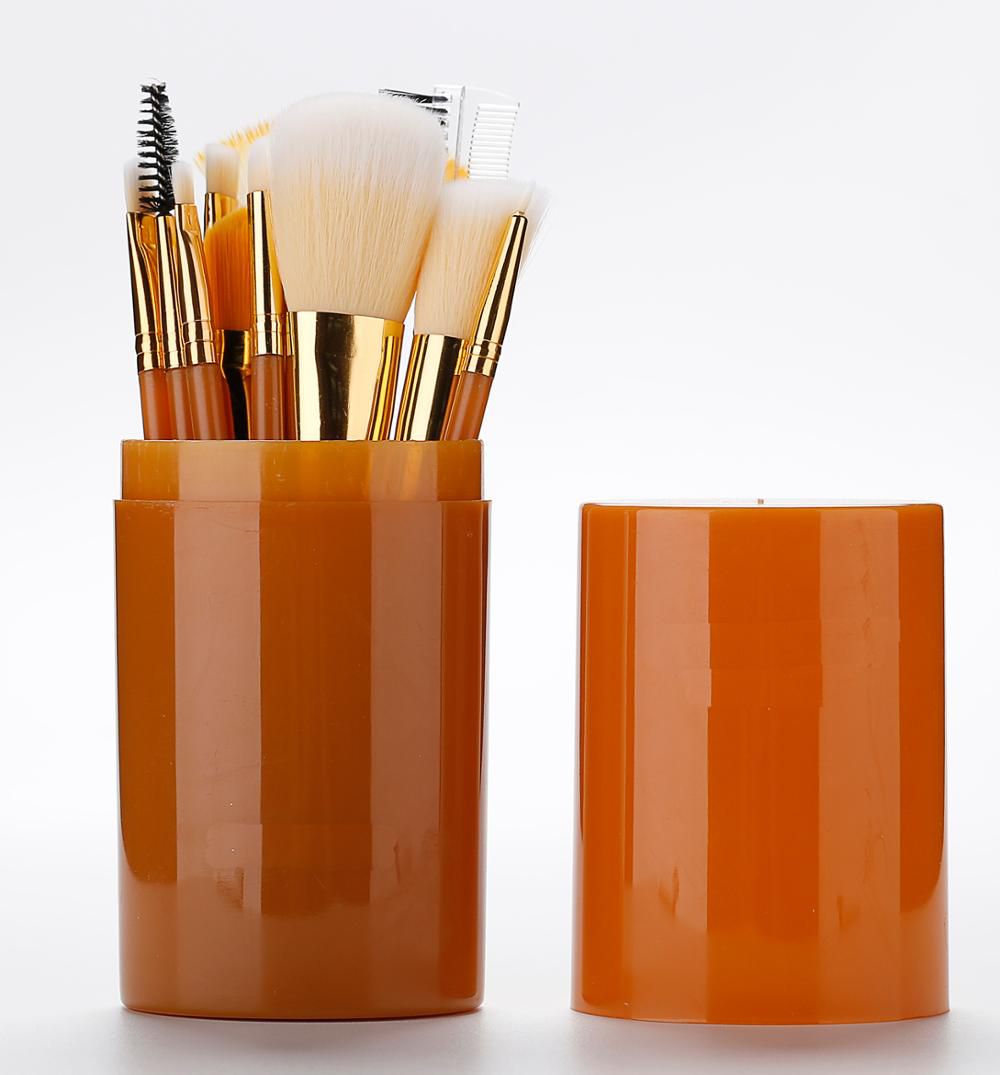
1. Nanop Selection
Common nanops used for antibacterial modification include silver nanops (AgNPs), zinc oxide (ZnO), and titanium dioxide (TiO₂). AgNPs are widely favored for their broad-spectrum antibacterial activity and low toxicity at appropriate concentrations. ZnO and TiO₂, on the other hand, offer additional benefits like UV resistance and photocatalytic antibacterial effects, making them suitable for brushes used in sun care or long-term storage.
2. Surface Modification Techniques
Several techniques are employed to attach nanops to bristle surfaces, each with unique advantages:
- Sol-Gel Method: This involves coating bristles with a sol containing nanops, which then gels and cures to form a thin, uniform film. It is cost-effective and easy to scale but may result in weaker adhesion if not optimized.
- Plasma Treatment: By using plasma to activate bristle surfaces, nanops can be covalently bonded, enhancing durability. This method is ideal for synthetic fibers like nylon but requires specialized equipment.
- In-Situ Polymerization: Nanops are dispersed in a monomer solution, which is then polymerized around the bristle fibers. This creates a composite structure where nanops are evenly embedded, improving long-term antibacterial stability.
Antibacterial Mechanisms and Efficacy
Nano-modified bristles exert antibacterial effects through multiple mechanisms, depending on the nanop type:
- AgNPs: Release silver ions (Ag⁺) that disrupt bacterial cell membranes, denature proteins, and inhibit DNA replication, effectively killing Gram-positive (e.g., Staphylococcus aureus) and Gram-negative (e.g., Escherichia coli) bacteria.
- ZnO/TiO₂: Under light exposure, these nanops generate reactive oxygen species (ROS) like hydroxyl radicals, which oxidize bacterial cell components, leading to cell death.
Laboratory tests show that nano-modified bristles can achieve over 99% antibacterial rate against common skin bacteria, compared to 50-60% for unmodified bristles. Importantly, this efficacy persists even after 50+ uses and washes, addressing the issue of bacterial regrowth over time.
Advantages Beyond Antibacterial Performance
Beyond hygiene, nano-modification enhances other bristle properties:
- Durability: Nanop coatings reduce bristle fraying and shedding, extending brush lifespan.
- Softness: Optimized nanop integration maintains or improves bristle flexibility, ensuring a comfortable application experience.
- Compatibility: Nanops are inert to most cosmetic ingredients, preventing chemical reactions that could alter product formulas.
Market Implications and Future Trends
As consumers increasingly prioritize clean beauty and product safety, the demand for antibacterial cosmetic tools is rising. According to industry reports, the global antibacterial cosmetics market is projected to grow at a CAGR of 7.2% from 2023 to 2030, with brush tools as a key segment. Manufacturers investing in nano-modified bristles can differentiate their products, appealing to both professional makeup artists and everyday users.
However, challenges remain, such as ensuring nanop biocompatibility (e.g., complying with FDA or EU regulations on silver nanop concentrations) and balancing cost with scalability. Future research may focus on eco-friendly nanops (e.g., chitosan-based nanomaterials) and hybrid modification techniques to further enhance performance.
In conclusion, nano-modified cosmetic brush bristles represent a significant advancement in combining material innovation with consumer safety. By leveraging precise preparation methods and understanding antibacterial mechanisms, manufacturers can produce brushes that not only elevate makeup application but also set new standards for hygiene in the cosmetics industry.


