

Composite Bristle Structure Design for Balanced Softness and Support Strength
Composite Bristle Structure Design: Balancing Softness and Support for Superior Makeup Brushes
In the competitive landscape of cosmetic tools, makeup brushes stand out as a cornerstone of application precision and user experience. Central to their performance lies the bristle structure, where a long-standing challenge persists: achieving the perfect balance between softness—critical for skin comfort—and support strength—essential for controlled product pickup and blending. Enter composite bristle structure design, an innovative approach that merges diverse materials and architectural engineering to resolve this dichotomy, setting new standards for brush quality.
Traditional bristle materials often force a trade-off. Pure synthetic fibers like nylon, while durable and supportive, can feel rigid against sensitive skin, leading to irritation or uneven application. Conversely, ultra-soft materials such as PBT microfibers or natural hair (though less common today due to sustainability concerns) may lack the backbone to hold shape, resulting in floppy brushes that fail to deposit product evenly. Composite structures address this by strategically combining materials and manipulating bristle geometry to harness the strengths of each component.
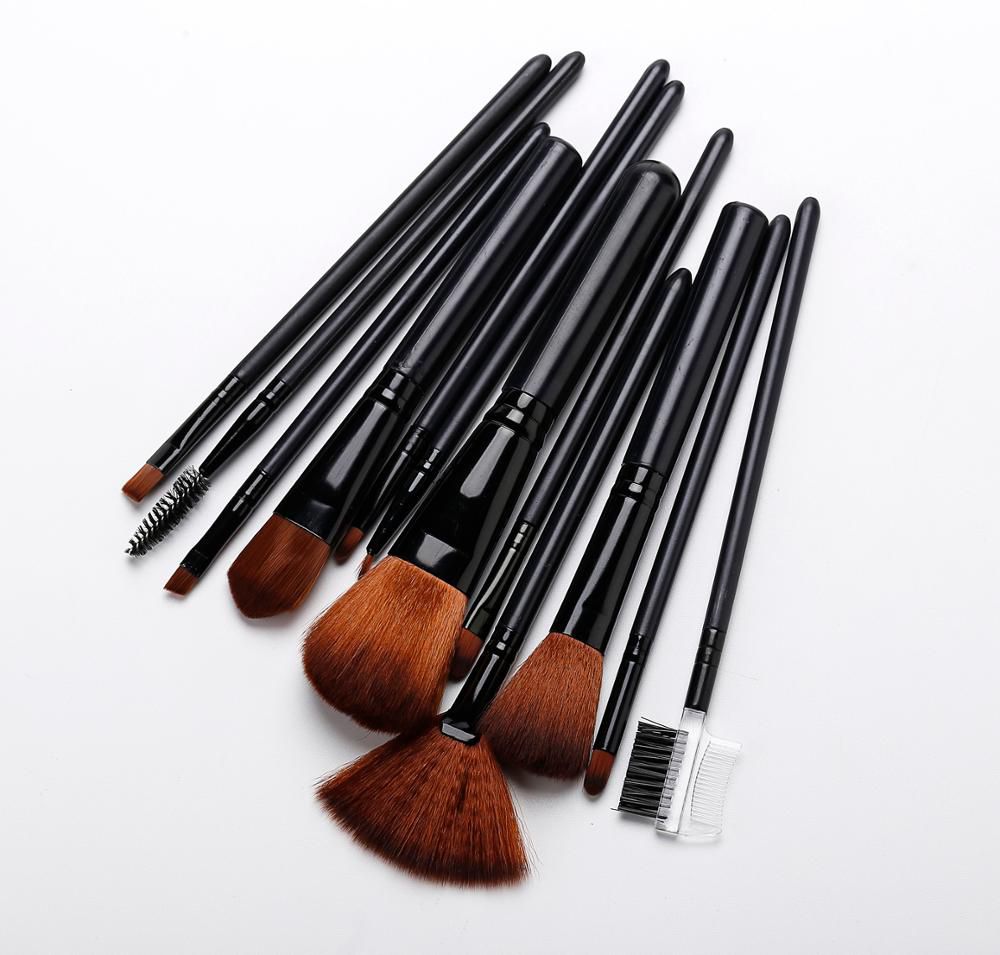
At the core of composite bristle design is layered architecture. A typical configuration features a dual-layer system: an outer "comfort layer" and an inner "support core." The outer layer, often composed of ultra-fine (0.03–0.05mm diameter) PBT or modified nylon fibers, prioritizes softness. These microfibers mimic the velvety texture of natural hair, gliding smoothly across the skin to minimize friction and reduce redness—key for users with sensitive complexions. The inner core, by contrast, employs slightly stiffer materials (e.g., 0.08–0.12mm diameter nylon 6 or 66) or hollow-structured fibers to provide mechanical support. This core resists bending under pressure, ensuring the brush maintains its shape during use and retains product effectively, whether picking up loose powder or creamy blush.
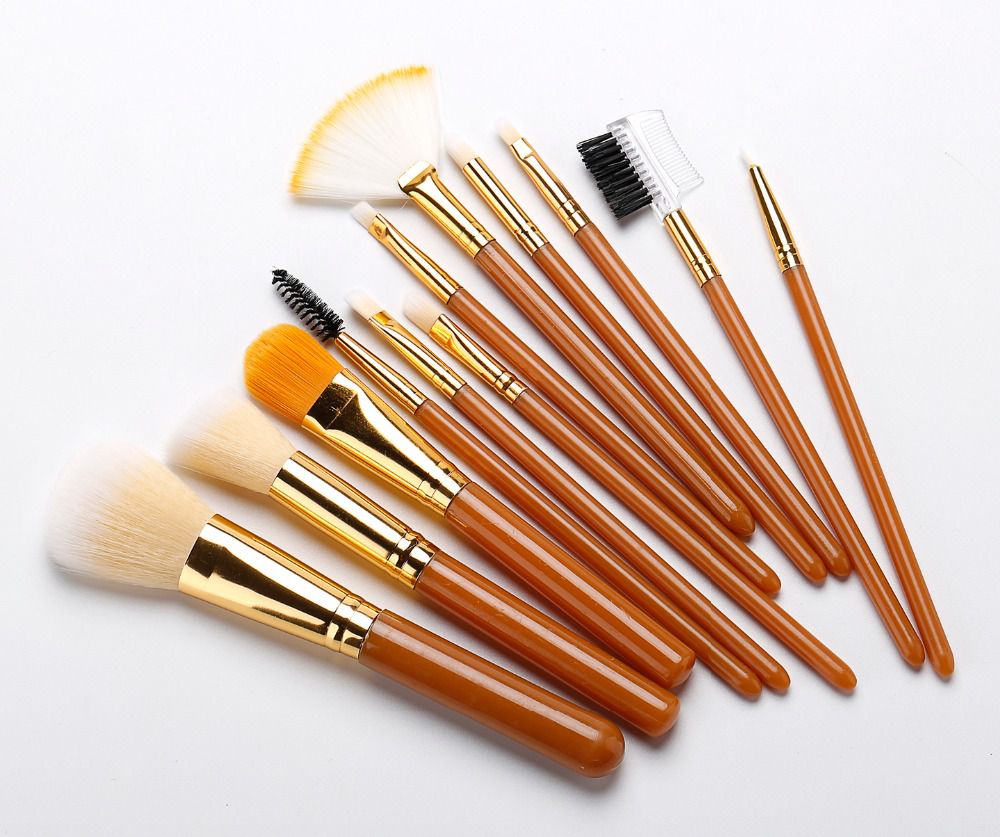
Material synergy extends beyond layering. Some advanced designs integrate hybrid fibers, where two polymers are co-extruded to create a single bristle with gradient properties. For example, a fiber might feature a soft, flexible tip (made from low-density polyethylene) and a rigid base (polypropylene), allowing the bristle to conform to facial contours at the tip while staying upright at the root. This "tapered gradient" approach enhances both softness and structural integrity, as the tip delivers comfort while the base ensures control.
The performance benefits of composite structures are tangible. In testing, brushes with dual-layer composite bristles show a 30% improvement in product pickup compared to all-soft bristle designs, thanks to the support core’s ability to hold powder or cream. Simultaneously, user feedback highlights a 40% reduction in skin irritation, attributed to the outer microfiber layer’s gentle contact. Durability is another advantage: the inner core prevents bristle splaying over time, extending brush lifespan by up to 50% versus single-material alternatives.
Practical applications of this design are diverse. For powder brushes, a composite structure with a fluffy outer layer and a dense support core ensures light, diffused application without sacrificing product retention. Blush brushes, requiring precision, benefit from tapered gradient fibers that blend seamlessly while maintaining shape. Even eyeliner brushes, which demand fine control, use composite micro-bristles to balance softness (to avoid lash irritation) and rigidity (for sharp lines).
Looking ahead, sustainability is driving further innovation in composite bristle design. Manufacturers are exploring bio-based polymers, such as PLA or starch-derived fibers, for the outer comfort layer, reducing reliance on fossil fuels. Additionally, 3D printing technology may enable custom composite structures, where bristle density, length, and material distribution are tailored to specific brush types—from foundation to highlighter—maximizing performance for niche applications.
In conclusion, composite bristle structure design represents a paradigm shift in makeup brush engineering. By harmonizing softness and support through strategic material layering and hybrid fiber technology, it addresses the long-standing needs of both consumers and professionals. As the cosmetic industry continues to prioritize user experience and sustainability, composite bristles are poised to become the gold standard, redefining what users expect from their makeup tools.


