

New Retail Models Help Brush Brands Directly Reach End Consumers
New Retail Models Help Brush Brands Directly Reach End Consumers
In the traditional cosmetic brush industry, brands have long relied on multi-layered distribution channels—wholesalers, retailers, and brick-and-mortar stores—to reach consumers. While this model once ensured market coverage, it came with significant drawbacks: high channel costs eroded profit margins, slow consumer feedback delayed product迭代, and brands struggled to build direct relationships with end users. Today, the rise of new retail models is reshaping this landscape, enabling brush brands to bypass intermediaries and connect directly with consumers, unlocking new growth opportunities.
One of the most impactful shifts is the adoption of Direct-to-Consumer (DTC) strategies. By building owned digital channels—such as brand websites, mobile apps, and social media stores—brush brands can now sell products directly to consumers without relying on third-party retailers. This not only slashes distribution costs (some brands report a 30% reduction in channel expenses) but also allows for real-time data collection. For example, a DTC brush brand can track which brush types (e.g., foundation brushes, eyeshadow blending brushes) are most popular, analyze customer reviews to identify pain points (e.g., "brush handle is too slippery"), and quickly iterate product designs. This agility is critical in an industry where consumer preferences evolve rapidly, from trending brush shapes to sustainable materials like vegan brush fibers.
Social commerce has also emerged as a powerful tool for direct consumer engagement. Platforms like Instagram, TikTok, and Xiaohongshu (Little Red Book) allow brands to showcase products through short videos, tutorials, and user-generated (UGC). Beauty influencers and KOLs (Key Opinion Leaders) demonstrate how to use brushes to achieve specific makeup looks, while UGC from real customers builds trust. Unlike traditional advertising, social commerce creates a two-way conversation: consumers can comment, ask questions about brush bristle density or cleaning methods, and even vote on new product ideas via polls. This interaction not only drives immediate sales but also fosters brand loyalty, as consumers feel heard and valued.
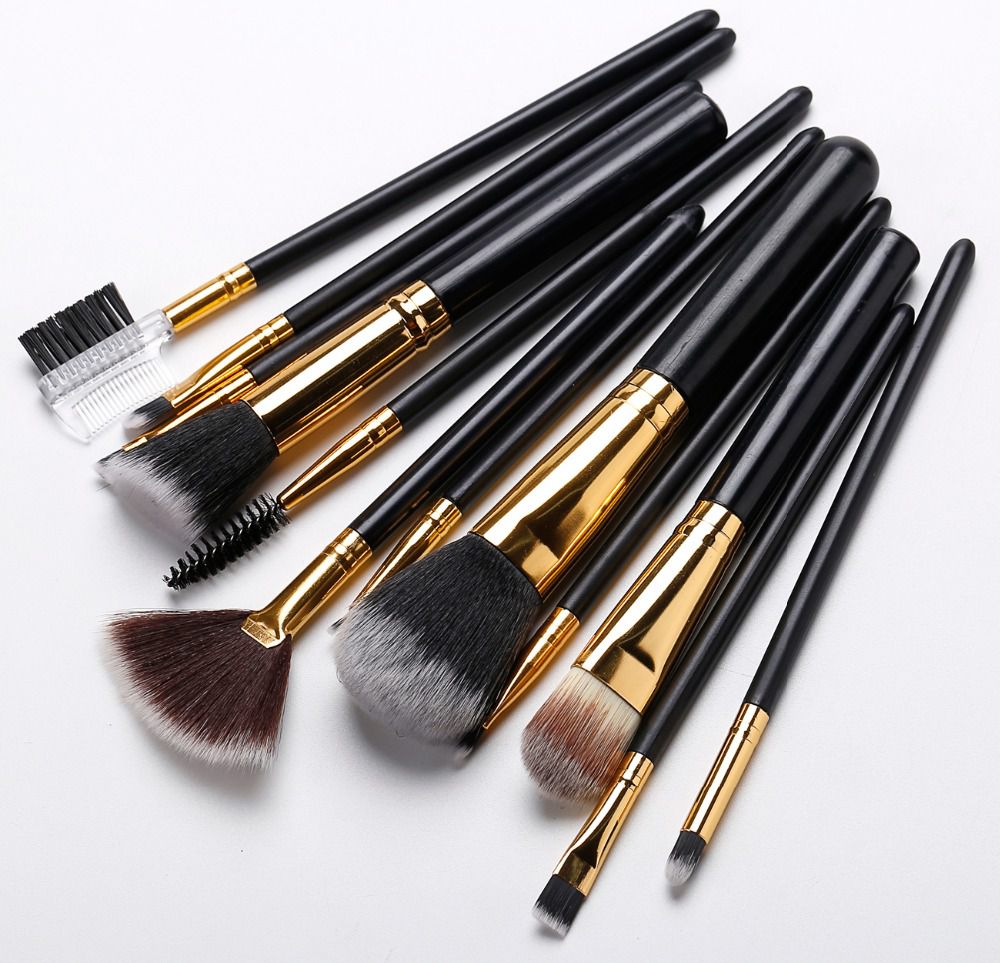
Live-streaming commerce takes this engagement a step further. During live sessions, brands can demonstrate brush quality in real time—showing how soft the bristles are, how well they pick up powder, or how easy they are to clean. Hosts often offer limited-time discounts or bundle deals, creating a sense of urgency that boosts conversion rates. For instance, a recent live stream by a Chinese brush brand sold over 10,000 units in 30 minutes by highlighting the unique "ultra-fine synthetic fibers" that mimic natural hair but are cruelty-free. Post-stream, brands can retarget viewers with personalized ads based on their watch time and interaction, turning casual browsers into repeat customers.
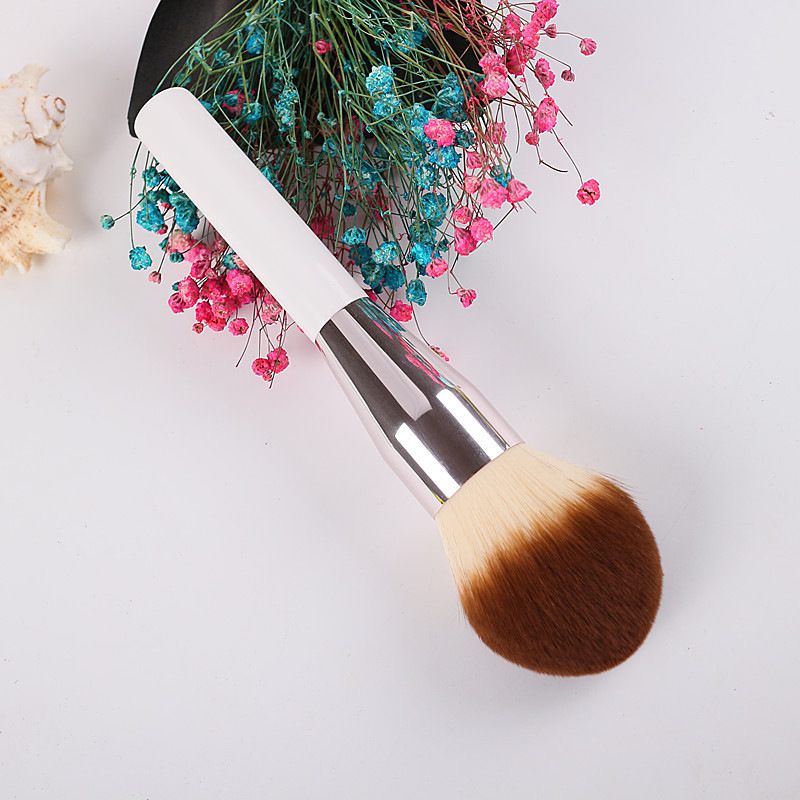
Augmented Reality (AR) technology is another game-changer, addressing a key barrier in online brush shopping: the inability to "try before buying." AR tools allow consumers to virtually "test" brushes by uploading a photo or using their camera to see how a brush would look or perform on their face. Some brands even offer AR tutorials, guiding users on the best brush for their eye shape or skin type. This not only reduces return rates (a common issue for beauty tools bought online) but also enhances the shopping experience, making it more interactive and personalized.
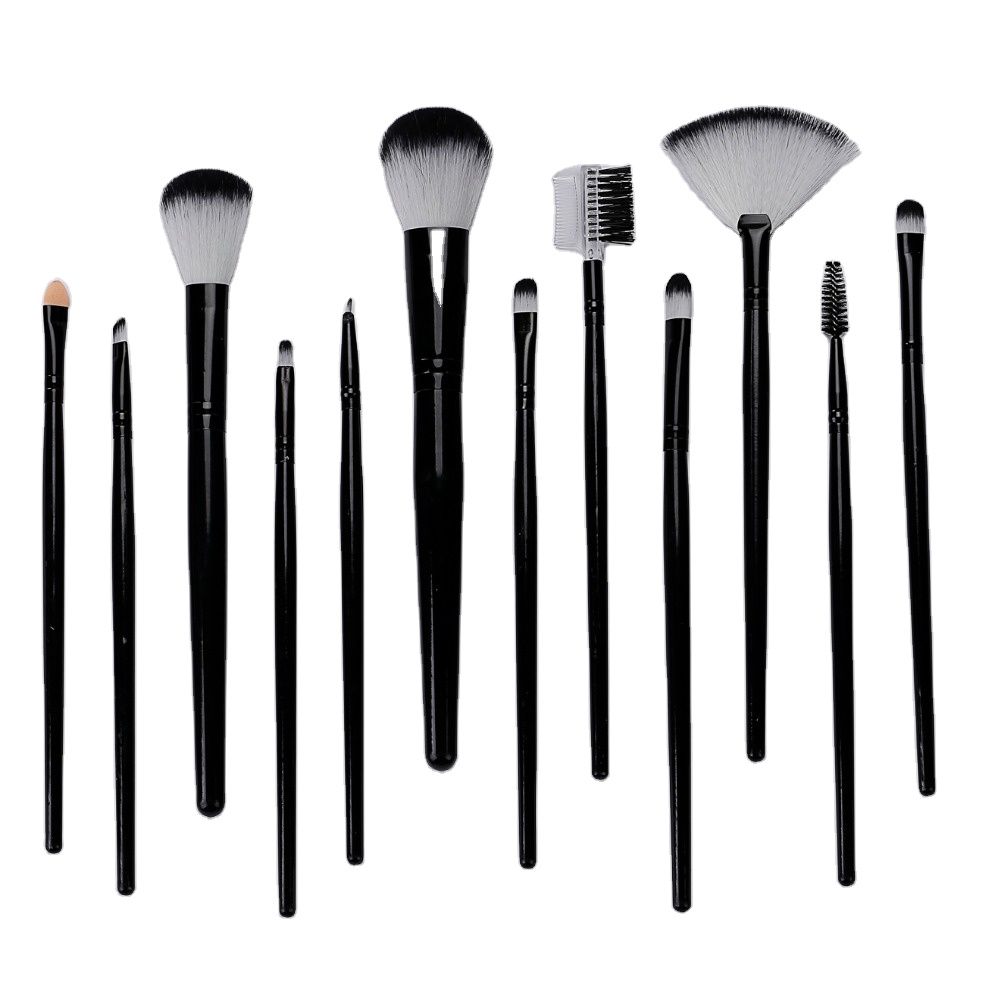
Beyond sales, new retail models empower brands to own the entire customer journey. By collecting first-party data—purchase history, browsing behavior, and feedback—brands can create tailored marketing campaigns. For example, a customer who buys a foundation brush might receive recommendations for a matching concealer brush or a brush cleaner. Loyalty programs, such as points for reviews or referrals, further strengthen the direct relationship, turning one-time buyers into brand advocates.
In conclusion, new retail models are not just about selling products—they are about redefining how brush brands interact with consumers. By leveraging DTC, social commerce, live streaming, and AR, brands can reduce costs, accelerate innovation, and build deeper connections. As consumer demand for transparency, personalization, and authenticity grows, the brands that embrace these models will be best positioned to thrive in the competitive cosmetic brush market.


