

Brush Factories Upgrade Automation to Improve Bristle Placement Accuracy
Brush Factories Upgrade Automation to Improve Bristle Placement Accuracy
In the competitive landscape of cosmetic brush manufacturing, precision has become a defining factor for product quality and brand reputation. As consumer demand for high-performance makeup tools grows, brush factories worldwide are accelerating automation upgrades, with a sharp focus on enhancing bristle placement accuracy. This shift is not just a technological trend but a strategic response to evolving market needs, operational challenges, and quality standards.
Traditional bristle placement, often reliant on manual labor, has long struggled with consistency. Skilled workers, despite their expertise, face limitations: human error can lead to uneven bristle density, misaligned tufts, or inconsistent length—flaws that directly impact a brush’s functionality, from powder pickup to application smoothness. A single misaligned bristle tuft might cause streaking or patchy makeup, undermining consumer trust. Moreover, manual processes are labor-intensive, slow, and prone to fatigue, especially as production scales to meet global demand.
To address these pain points, modern brush factories are investing in advanced automated systems. At the core of these upgrades are three key technologies: machine vision, precision robotics, and AI-driven calibration. Machine vision systems, equipped with high-resolution cameras and real-time image processing, scan bristle bundles and brush bases with micrometer-level precision. They identify minute variations in bristle length, thickness, and texture, ensuring only uniform bundles are selected for placement.
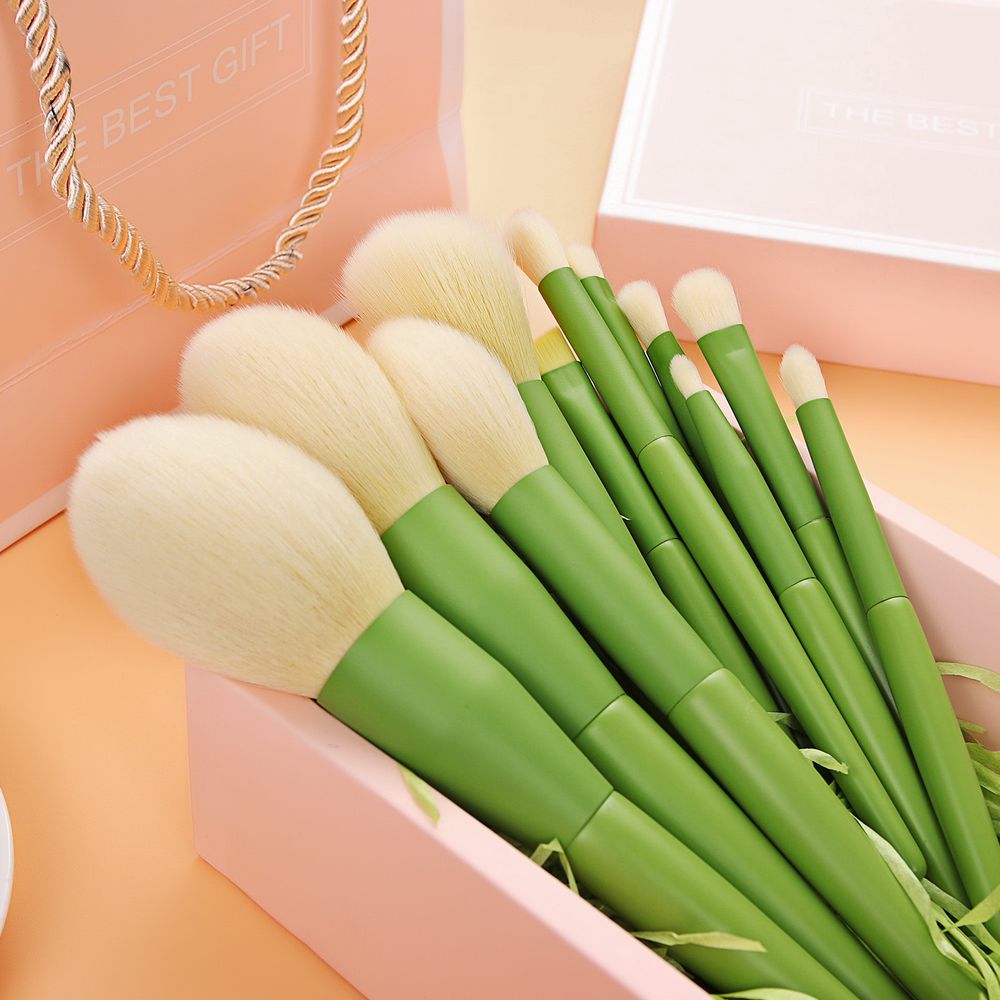
Complementing vision systems are precision robotic arms, engineered to handle bristle insertion with sub-millimeter accuracy. Unlike manual tools, these robots operate with consistent force and speed, placing each tuft exactly where design specifications demand—whether in a dense, dome-shaped arrangement for foundation brushes or a sparse, angled pattern for eyeliner brushes. Some cutting-edge systems even integrate pressure sensors to adjust insertion depth, preventing bristle damage while ensuring secure attachment to the brush handle.
AI algorithms further refine this process by learning from production data. Over time, these systems analyze placement success rates, identify recurring errors (e.g., misalignment in specific brush models), and auto-calibrate robotic parameters to minimize defects. For instance, a factory producing 10,000 brushes daily might see error rates drop from 3-5% with manual labor to less than 0.5% after automation—translating to significant cost savings from reduced waste and rework.
The benefits of these upgrades extend beyond accuracy. Automation boosts production speed: a robotic line can handle up to 500 brushes per hour, compared to 150-200 with manual teams. This efficiency allows factories to meet tight delivery deadlines, a critical advantage in the fast-paced beauty industry where trends shift rapidly. Additionally, by reducing reliance on manual labor, factories mitigate risks associated with labor shortages—a pressing issue in many manufacturing hubs post-pandemic.
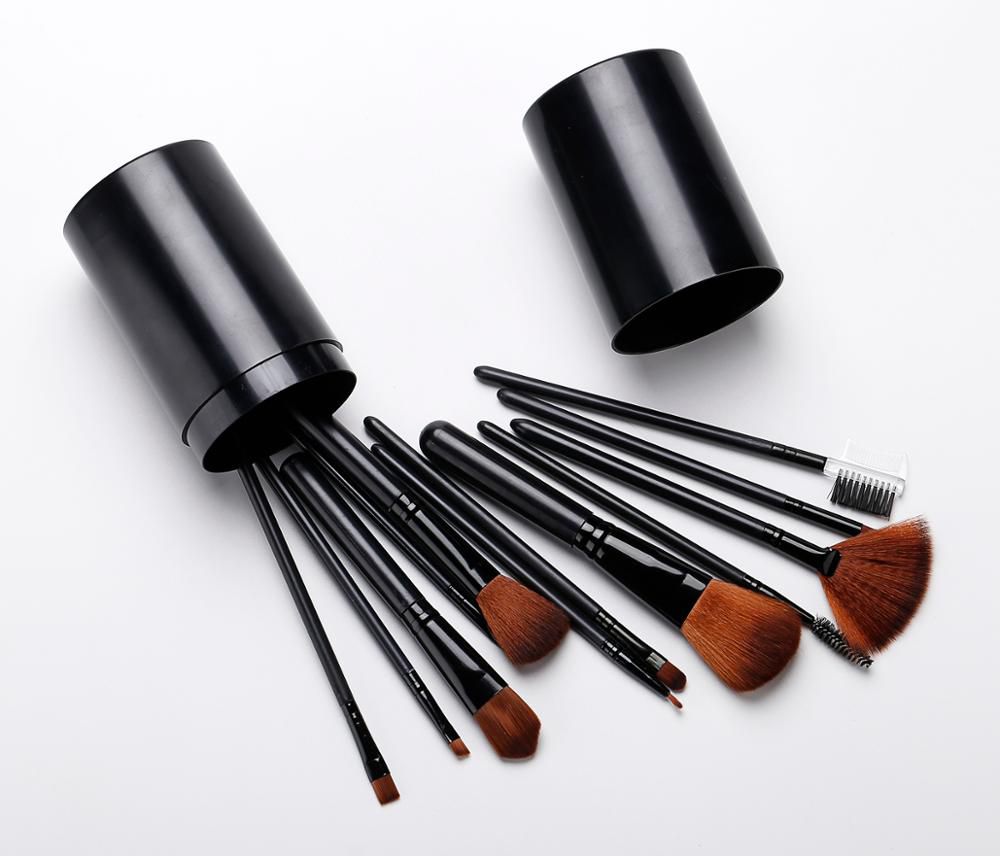
For consumers, the impact is tangible. Brushes with precisely placed bristles offer superior performance: softer application, better product pickup, and longer lifespan. High-end beauty brands, in particular, are leveraging this precision to differentiate their products, marketing “engineered for perfection” brushes that command premium prices. Even mid-range brands benefit, as automation lowers production costs, making quality brushes more accessible to a broader market.
Looking ahead, the automation trend in bristle placement is set to deepen. Emerging technologies like 3D printing for custom brush bases and IoT-enabled predictive maintenance for robotic systems promise to push accuracy even further. Factories that delay upgrades risk falling behind, as competitors gain edge in quality, efficiency, and scalability.
In essence, the shift to automated bristle placement is reshaping the cosmetic brush industry. It’s a marriage of technology and artistry—where machines enhance human craftsmanship, ensuring every brush meets the exacting standards of modern beauty consumers. For manufacturers, this isn’t just an upgrade; it’s a necessary step to thrive in an era where precision is non-negotiable.


