

Development of Fully Biodegradable Bristles Based on Bio-Polymer Composites
Development of Fully Biodegradable Bristles Based on Bio-Polymer Composites: Innovations in Sustainable Cosmetic Brush Technology
The global cosmetic industry is undergoing a profound shift toward sustainability, driven by increasing consumer demand for eco-friendly products and stringent environmental regulations. A critical area of innovation lies in the development of fully biodegradable bristles, replacing traditional petroleum-based materials like nylon and polyester that persist in landfills and oceans for centuries. Among the most promising solutions is the use of bio-polymer composites, which combine renewable polymers with natural reinforcements to achieve both performance and environmental compatibility.
The Need for Biodegradable Bristles
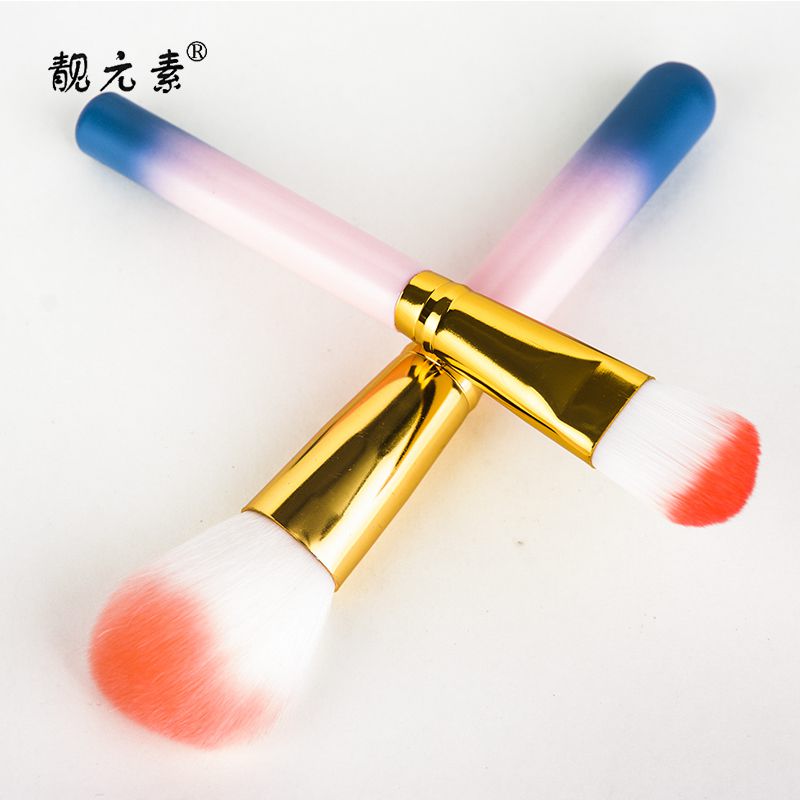
Traditional cosmetic brush bristles, primarily made from synthetic fibers, pose significant environmental risks. According to a 2023 report by the Ellen MacArthur Foundation, over 500,000 tons of plastic microfibers from personal care products enter waterways annually, contributing to marine pollution. Meanwhile, consumer surveys by Nielsen show that 73% of global consumers are willing to pay more for sustainable products, pushing brands to prioritize eco-friendly alternatives. Biodegradable bristles address both issues: they break down naturally under composting conditions and align with the growing "clean beauty" movement.
Bio-Polymer Composites: A Technical Breakthrough
Bio-polymer composites for bristles typically consist of a renewable polymer matrix reinforced with natural fibers or additives. Common matrix materials include polylactic acid (PLA), polyhydroxyalkanoates (PHA), and starch-based polymers, all derived from plant sources like corn, sugarcane, or algae. These polymers offer inherent biodegradability but often lack the mechanical strength required for bristle applications—until combined with reinforcements.
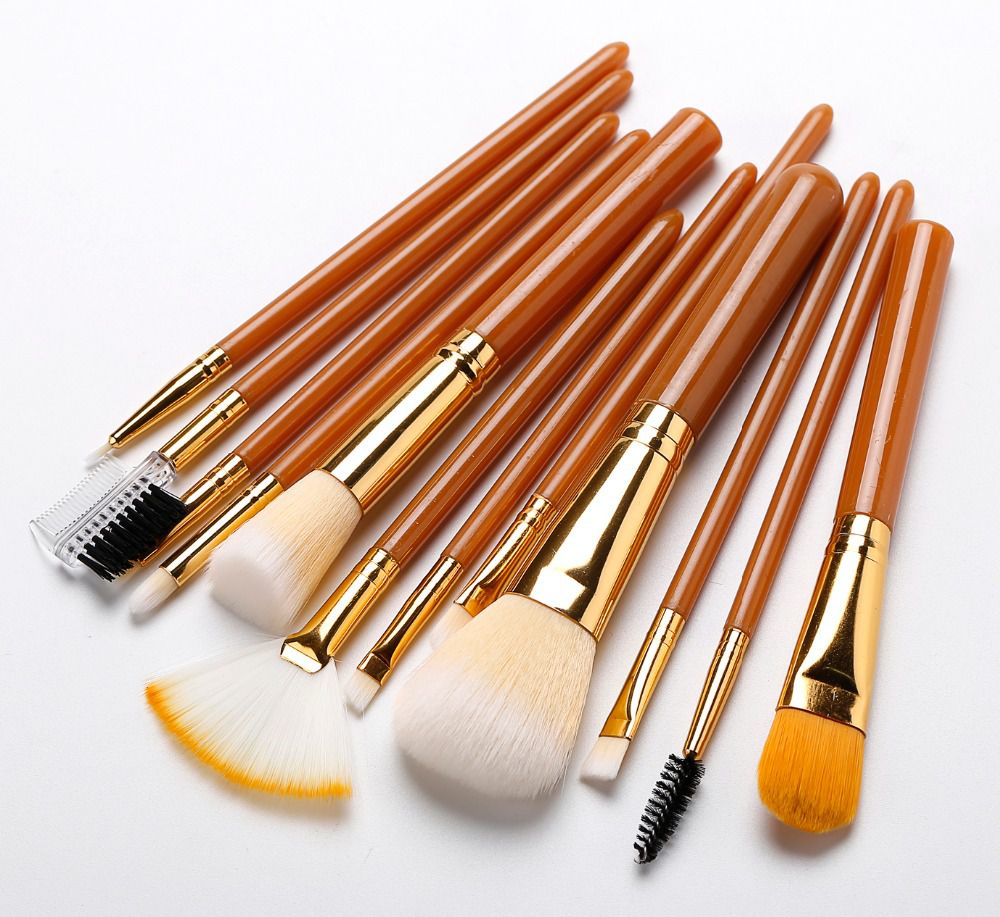
Natural fibers such as bamboo pulp, hemp, or cellulose nanocrystals (CNCs) are increasingly used as reinforcements. For example, blending PLA with 10-15% CNCs has been shown to improve tensile strength by 30% and abrasion resistance by 25%, according to research published in the Journal of Materials Science: Materials in Medicine. This composite structure mimics the durability of synthetic fibers while maintaining biodegradability.
Performance Testing and Validation
Key performance metrics for cosmetic brush bristles include flexibility, softness, wear resistance, and degradation rate. Recent trials by leading manufacturers demonstrate that bio-polymer composite bristles meet or exceed these standards. In controlled composting tests, PLA-CNC composite bristles degraded by over 90% within 180 days, compared to less than 5% degradation for nylon bristles over the same period. Additionally, user trials found no significant difference in application performance—such as powder pickup and blending—between composite bristles and traditional synthetic options.
Challenges and Future Directions
Despite progress, challenges remain. The high cost of bio-polymers (PHA, for instance, is currently 2-3 times more expensive than nylon) and limited scalability of production are barriers to mass adoption. However, advancements in fermentation technology for PHA production and crop-based PLA synthesis are expected to reduce costs by 40% by 2027, according to industry forecasts.
Another focus is improving water resistance. Starch-based composites, while highly biodegradable, tend to absorb moisture, affecting bristle integrity. Researchers are addressing this by coating composites with natural waxes or modifying polymer chains to enhance hydrophobicity, a development that could expand applications to wet-use brushes (e.g., foundation brushes).
Impact on the Cosmetic Industry
The adoption of bio-polymer composite bristles is set to reshape supply chains and brand strategies. Major cosmetic brands like Lush and Tata Harper have already launched limited-edition brushes with biodegradable bristles, reporting double-digit sales growth in eco-conscious markets. For manufacturers, investing in composite bristle production aligns with ESG (Environmental, Social, Governance) goals and positions them as leaders in sustainable innovation.
In conclusion, the development of fully biodegradable bristles using bio-polymer composites represents a pivotal step toward a circular cosmetic industry. By combining renewable materials with engineering ingenuity, these bristles offer a practical solution to plastic pollution while meeting consumer and regulatory demands. As technology advances and costs decrease, bio-polymer composite bristles are poised to become the new standard in cosmetic brush manufacturing.


